Cedro Real
Cedrela fissilis
Quick facts
Native Region
Costa Rica to Argentina
Max Height
25-50 meters (80-165 feet)
Family
Meliaceae
Conservation
VU — Vulnerable
Uses
Safety Information
Toxicity Details
The tree itself poses no toxicity hazard. Leaves, bark, flowers, and seeds are non-toxic to humans and animals. The tree is safe for planting in gardens, parks, and areas accessible to children and pets. The bark has traditional medicinal uses and no ingestion toxicity has been reported at normal doses.
Skin Contact Risks
Direct contact with living plant parts (leaves, bark, flowers) is generally safe with minimal irritation risk. Some sensitive individuals may experience mild skin reactions from prolonged contact with fresh bark or sap. Overall skin contact risk for most people is very low.
Allergenic Properties
Wood dust from Cedro Real is a MODERATE allergen for woodworkers and carpenters. Documented reactions include respiratory irritation, sneezing, coughing, and dermatitis. The aromatic oils in freshly cut wood can trigger respiratory symptoms in sensitive individuals. Always wear protective equipment (dust mask, gloves, eye protection) when cutting, sanding, or machining this wood. Ensure good ventilation in workshops. For most people encountering the living tree or finished wood products (furniture), allergen risk is minimal.
Season
Flowering
Sep-Nov
Fruiting
Jan-Apr
How to identify
Cedro Real
Cedro Real (Cedrela fissilis), also known as Argentine Cedar or Cedro Rosa, is one of the most valuable timber trees of the mahogany family in South and Central America. Its beautiful pinkish-brown wood with golden lustre has been prized for centuries for fine furniture, plywood, and even aircraft construction. Despite being a distinct species from the better-known Spanish Cedar (C. odorata), its wood is often sold together with it due to similar quality and appearance.
Quick Reference
iNaturalist Observations
Community-powered species data
📸 Photo Gallery
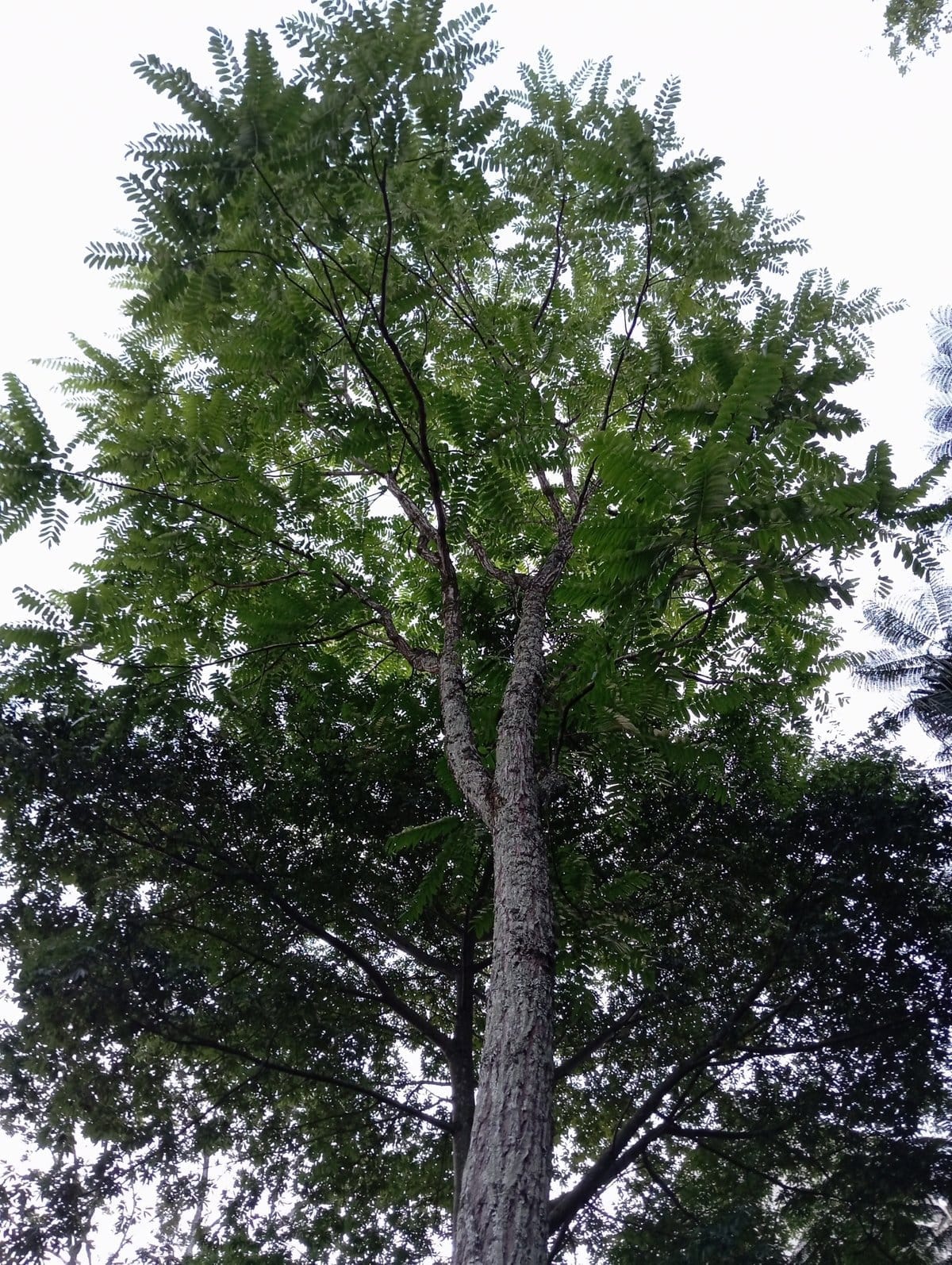
Whole tree
📷 (c) Liu Idárraga Orozco, some rights reserved (CC BY-NC)(CC BY-NC)
View source ↗Leaves
📷 (c) Liu Idárraga Orozco, some rights reserved (CC BY-NC)(CC BY-NC)
View source ↗Whole tree
📷 (c) Luis Vescia da Rosa, some rights reserved (CC BY-NC)(CC BY-NC)
View source ↗Leaves
📷 (c) Liu Idárraga Orozco, some rights reserved (CC BY-NC)(CC BY-NC)
View source ↗Whole tree
📷 (c) Liu Idárraga Orozco, some rights reserved (CC BY-NC)(CC BY-NC)
View source ↗Photos sourced from iNaturalist's community science database. Browse all observations →↗
Taxonomy & Classification
Cedrela fissilis was first described by José Mariano da Conceição Vellozo in 1829 from specimens in Brazil. The specific epithet "fissilis" refers to the deeply fissured bark. Several synonyms exist including Cedrela brasiliensis and Cedrela macrocarpa. Like its relative Cedrela odorata, it is not a true cedar (Cedrus) but belongs to the mahogany family (Meliaceae).
Common Names
Physical Description
Overall Form
Cedro Real is a large deciduous tree with a dense, roundish crown. The habit is variable—the bole often branches from low down in open conditions, but can produce a long, straight trunk of commercial value in forest situations.
Distinctive Features
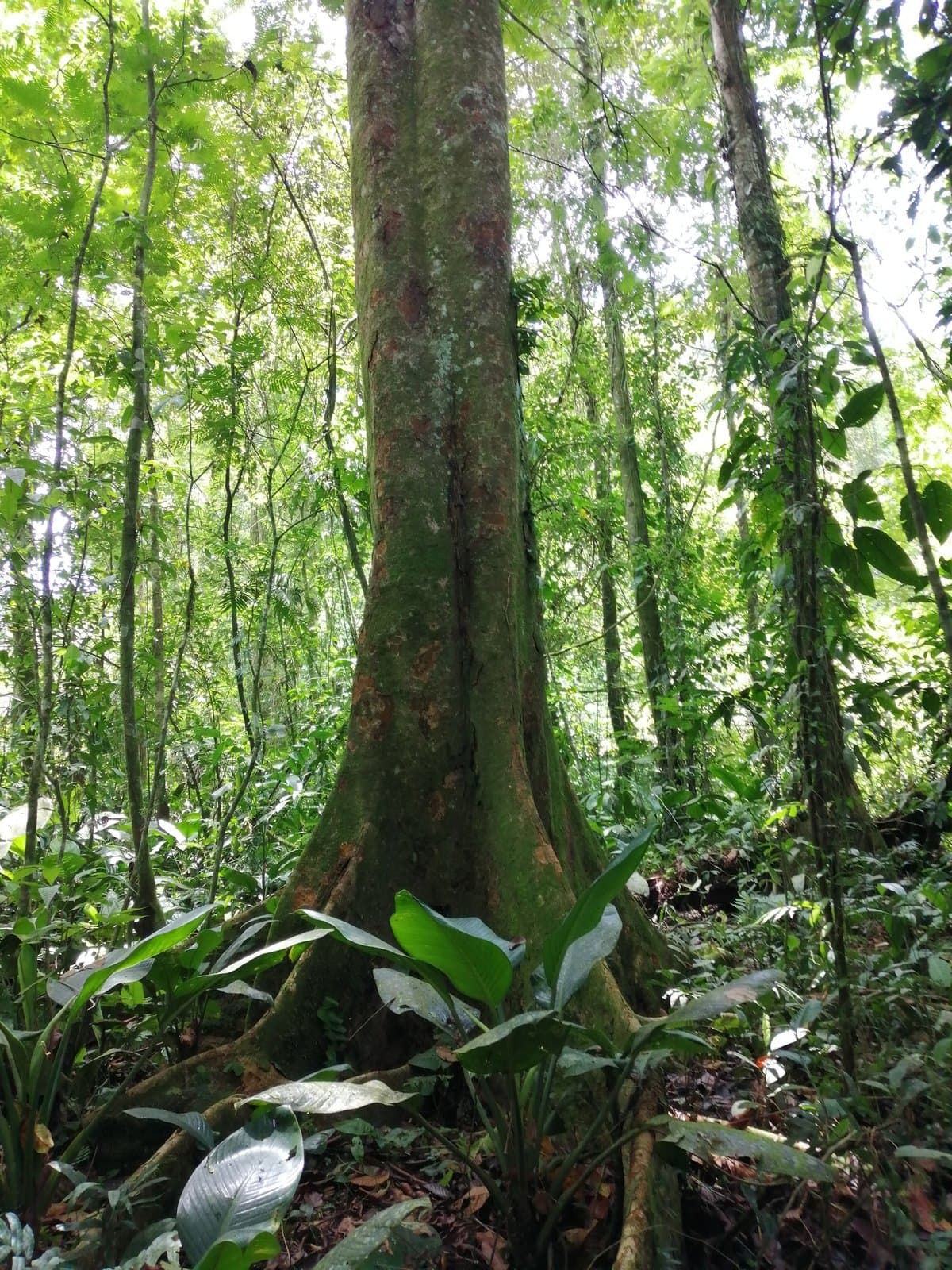
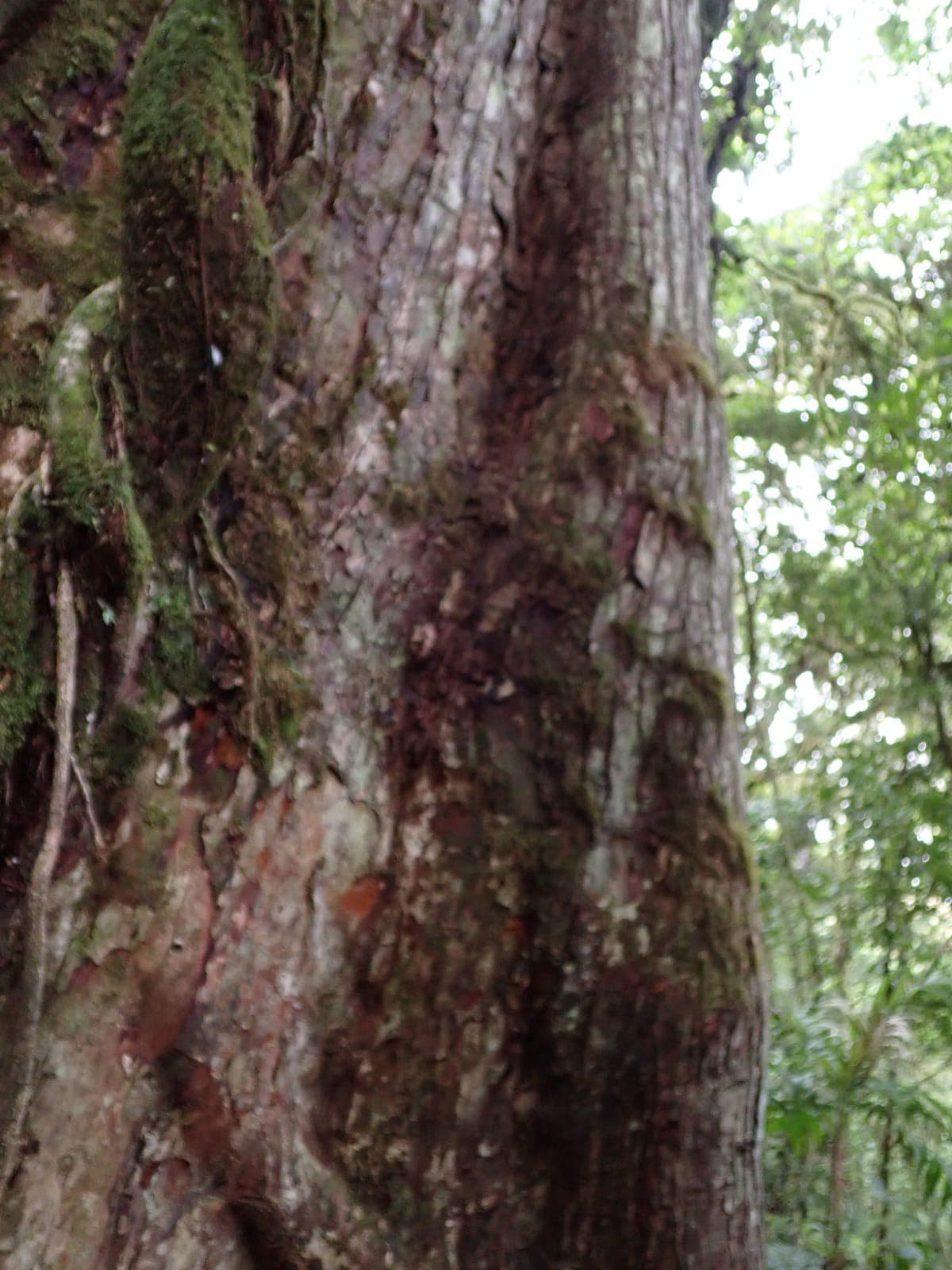
Trunk & Bark
- Bark: Gray-brown, deeply fissured (fissilis = easily split)
- Wood: Pinkish-gray to reddish-brown heartwood
- Form: Buttressed trunk, variable branching habit
- Bole: Can reach 12-18 m above buttresses
- Fragrance: Characteristic fragrant scent in wood
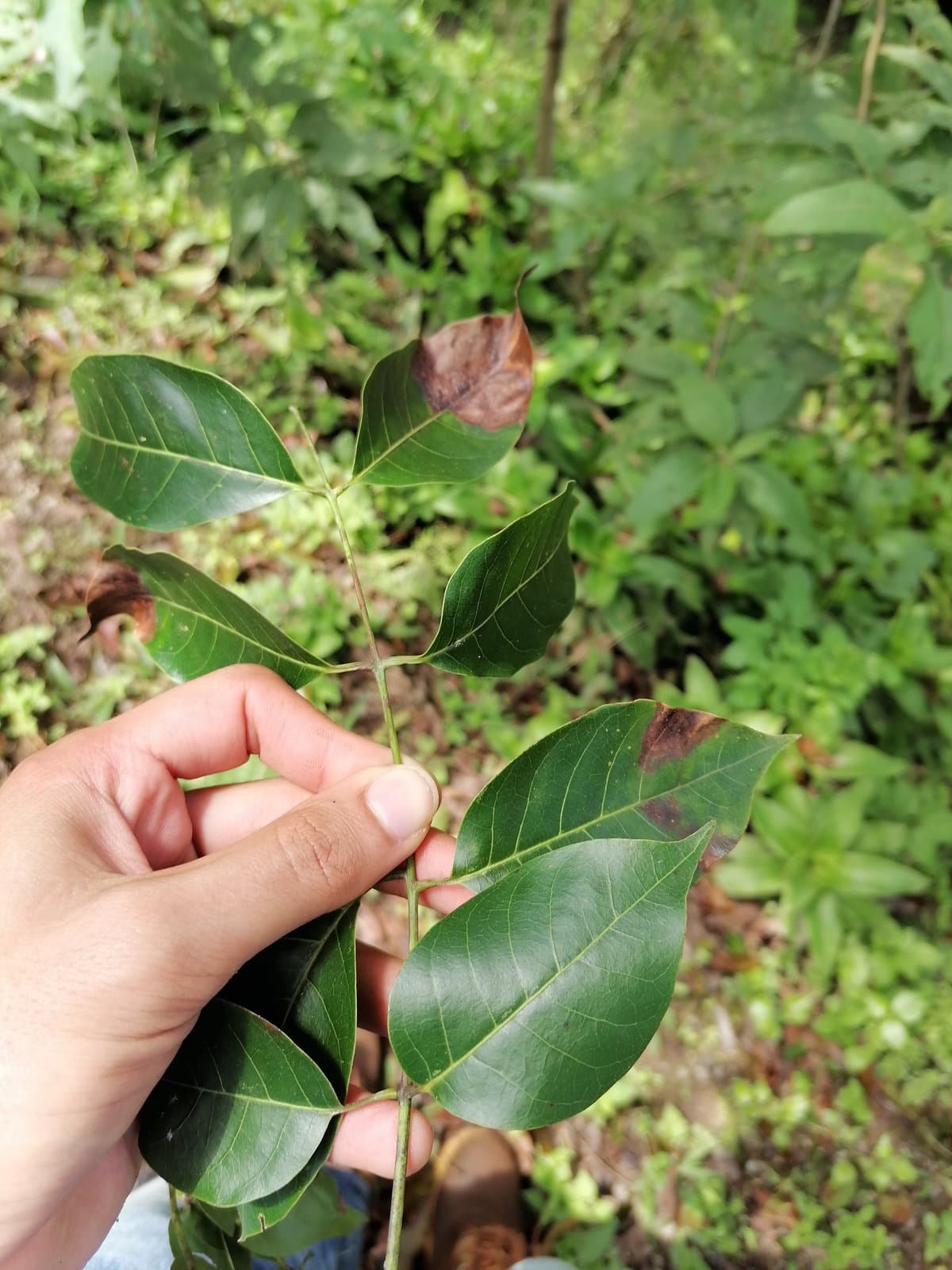
Leaves
- Type: Pinnately compound
- Leaflets: Hairy beneath (diagnostic feature)
- Leaflet Shape: Lanceolate to ovate
- Size: Large compound leaves
- Timing: Deciduous, losing leaves in dry season
Flowers
- Color: Cream to greenish-white
- Size: Small, in compound inflorescences
- Arrangement: Racemose panicles
- Season: September to November (Costa Rica)
- Fragrance: Attracts insect pollinators
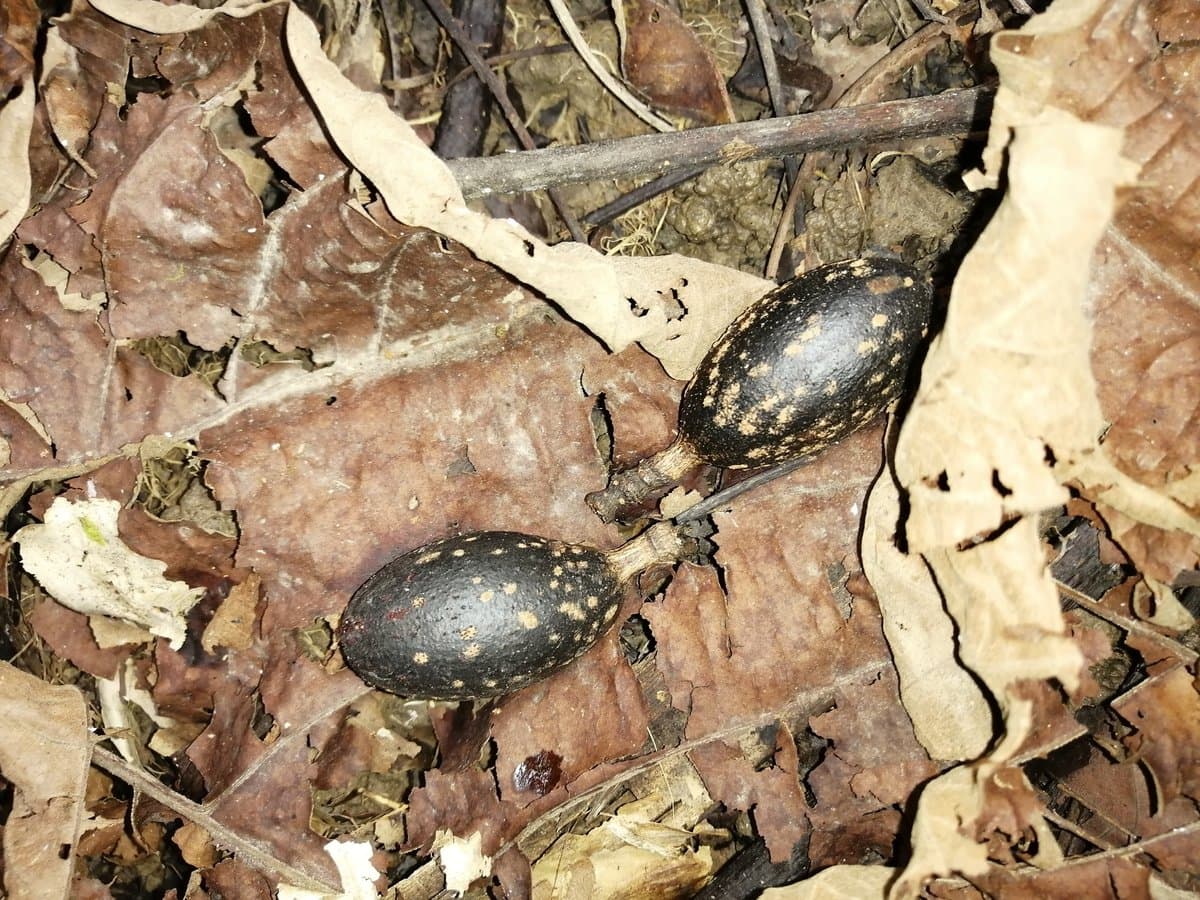
Fruits & Seeds
- Type: Woody capsule
- Size: 5-9 cm long
- Shape: Oblong-ellipsoid
- Opening: Splits to release winged seeds
- Seeds: Wind-dispersed
- Season: January to April
The easiest way to distinguish Cedrela fissilis from C. odorata is by the hairy undersides of the leaflets. C. fissilis has distinctly pubescent (hairy) leaves beneath, while C. odorata has relatively smooth leaves. The deeply fissured bark on mature trees is also characteristic.
Distribution & Habitat
Native Range
Geographic Distribution
Distribution in Costa Rica
Cedro Real reaches its northern distribution limit in Costa Rica and is less common here than in South America. It occurs primarily on the Caribbean slope and in wetter areas of the Pacific slope, generally at lower to middle elevations.
Preferred Habitat
Ecological Significance
Forest Role
Cedro Real is a fast-growing species that thrives in both dense primary forests and more open secondary forest conditions. Its rapid growth rate—up to 3-4 meters in height within 2 years from seed—makes it valuable for forest restoration and as a pioneer species in degraded areas. It is suitable for establishing woodland gardens and restoration plantings.
Wildlife Interactions
Pollinators
- Insects: Primary pollinators
- Bees: Visit small flowers
- Moths: Nocturnal pollination
- Wind: May assist pollen movement
Seed Dispersers
- Wind: Primary dispersal mechanism
- Winged seeds: Travel considerable distances
- Gravity: Seeds fall near parent tree
Pest Interactions
- Shoot Borer: Hypsipyla grandella affects Cedrela
- Moth larvae: Bore into terminal shoots
- Impact: Causes forking, reduces timber value
- Management: Plant in mixed stands
Habitat Value
- Cavity nesters: Use older trees
- Epiphytes: Host orchids, bromeliads
- Shade: Provides canopy cover
- Agroforestry: Used in mixed plantings
Like other Cedrela species, Cedro Real is susceptible to the mahogany shoot borer (Hypsipyla grandella). This pest attacks terminal shoots, causing forking and dramatically reducing timber value. The species should NOT be planted in homogeneous stands; instead, mix with non-Meliaceae species to reduce attack intensity. This pest remains a major limitation for commercial plantations of Cedrela species throughout Latin America.
Cultural & Economic Importance
Premium Timber Species
Valued for Fine Woodworking
Cedro Real produces a high-quality timber with a beautiful pinkish-brown color and golden lustre. The wood is moderately light, soft, and easy to work with both hand and machine tools. It seasons fairly rapidly with little warping, stains and polishes well, and has been used for centuries in fine furniture, cabinet making, plywood, and veneer production. Historically, the wood was even used in naval and aircraft construction.
Traditional Medicine
The bark of Cedro Real has traditional medicinal uses in South America:
Uses Table
Sources: Useful Tropical Plants (Cedrela fissilis)↗, GBIF species profile↗, iNaturalist observations↗, Pennington & Muellner (2010)↗
Conservation Status
Current Assessment
Conservation Status
Conservation Concerns
Once a common lowland forest tree, Cedro Real has been overexploited for timber throughout its range and is now considered endangered in many areas. While a few populations remain stable, many have been:
- Severely reduced in size
- Fragmented into isolated patches
- Locally extirpated from former range areas
The wood is often sold in mixed batches with Cedrela odorata (Spanish Cedar) due to similar quality, making trade monitoring difficult. The species was listed on CITES Appendix II in 2020 to regulate international trade.
CITES Protection
Sources: IUCN Red List assessment↗, CITES Species+↗, GBIF species profile↗, iNaturalist observations↗
Conservation Actions
Cultivation & Propagation
Growing Cedro Real
Propagation Methods
From Seeds (Primary Method)
- Collect seeds from mature capsules (Jan-Apr)
- Seeds have high germination rate
- Sow immediately—germination in 12-18 days
- Seedlings ready to transplant in 2-4 months
- Full sun required for optimal growth
- Very fast initial growth (3-4 m in 2 years)
Natural Regeneration
- Can be encouraged by clearing around seed trees
- Seeds disperse by wind
- Establishes well in forest gaps
Growing Conditions
Plantation Strategies
- DO NOT plant in homogeneous stands (shoot borer risk)
- Mixed species plantations strongly recommended
- Suitable as pioneer species in restoration
- Works well in agroforestry systems
- Ornamental use along streets and in parks
Identification Guide
How to Identify Cedro Real
Where to See Cedro Real in Costa Rica
External Resources
Community observations and photos
Conservation status details
Trade regulation information
Detailed botanical and uses information
Global biodiversity occurrence data and distribution maps
References
📚 Scientific References & Further Reading
Vellozo, J.M.C. (1829). Florae Fluminensis
Pennington, T.D. & Muellner, A.N. (2010). A monograph of Cedrela (Meliaceae)
Barstow, M. (2018). Cedrela fissilis. The IUCN Red List of Threatened Species
CITES (2020). Proposal to include Cedrela spp. in Appendix II
Cedro Real represents the challenges facing valuable timber species throughout the tropics. Centuries of selective logging have reduced populations to fragments of their former abundance. Today, CITES protection helps regulate trade, but the real conservation work happens on the ground—through protected areas, sustainable forestry practices, and restoration plantings that include this magnificent tree. By planting Cedro Real in mixed-species agroforestry systems and forest restoration projects, we can help ensure that future generations inherit both the genetic diversity and the ecological benefits of this species.
Safety Information Disclaimer
Safety information is provided for educational purposes only. Individual reactions may vary significantly based on age, health status, amount of exposure, and individual sensitivity. Always supervise children around plants. Consult a medical professional or certified arborist for specific concerns. The Costa Rica Tree Atlas is not liable for injuries or damages resulting from interaction with trees described in this guide.
• Always supervise children around plants
• Consult medical professional if unsure
• Seek immediate medical attention if poisoning occurs
Information compiled from authoritative toxicology sources, scientific literature, and medical case reports.
Help improve this page
Know something about this tree? Share local knowledge, suggest a correction, or submit a photo to improve this guide for everyone.