Panamá
Sterculia apetala
Quick facts
Native Region
Central and South America
Max Height
35-45 meters
Family
Malvaceae
Conservation
LC — Least Concern
Uses
Safety Information
Toxicity Details
The tree itself is non-toxic. The seeds are edible (raw or cooked) and traded locally as food, similar to other Sterculia species. The main hazard is mechanical irritation from fruit capsule hairs, not chemical toxicity. No systemic poisoning from any part of the tree.
Skin Contact Risks
MODERATE risk from fruit handling. The inside of fruit capsules contains stiff, orange, needle-like bristles (urticating hairs) that penetrate skin and cause local irritation and pain. ALWAYS wear gloves when harvesting seeds or handling fruit capsules. The tree bark, leaves, and flowers are safe to touch.
Allergenic Properties
LOW allergen risk. Possible minor allergic reactions or localized irritation from fruit contact, but no major toxic effects. Standard wood dust precautions apply.
Season
Flowering
Jan-Mar
Fruiting
Mar-May
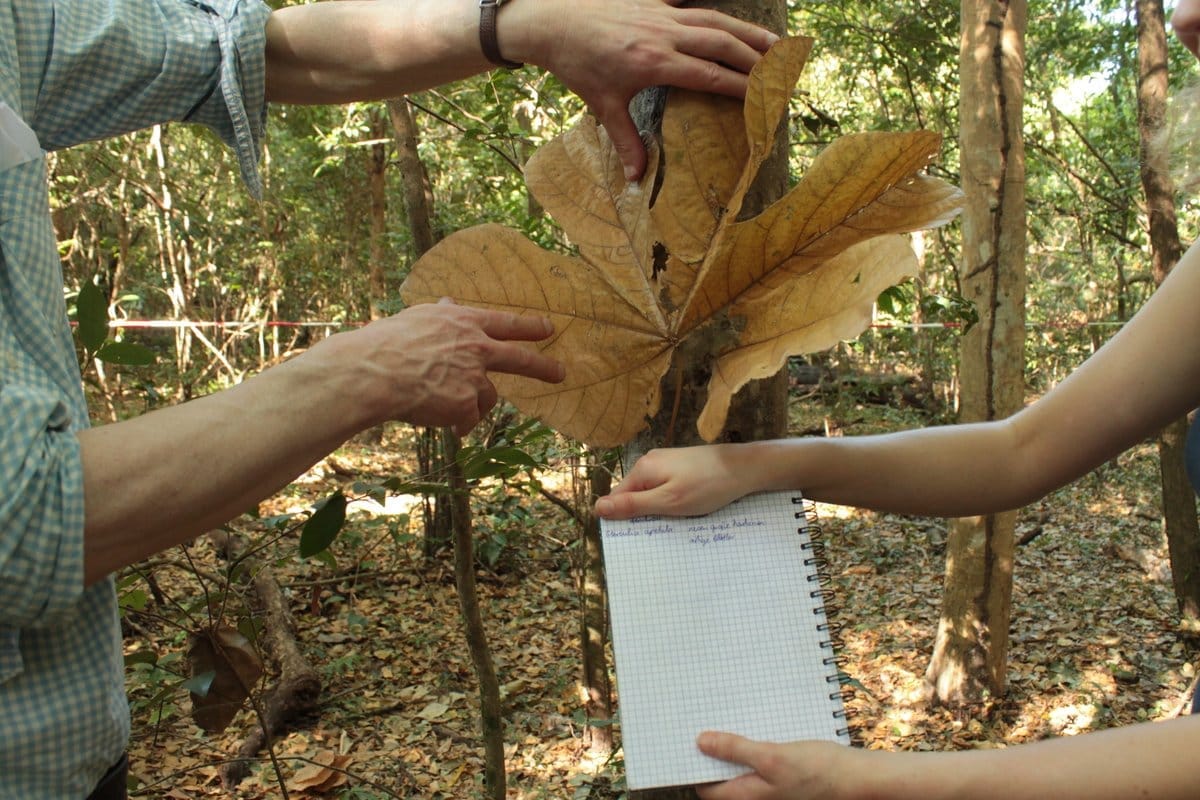
How to identify
Panamá
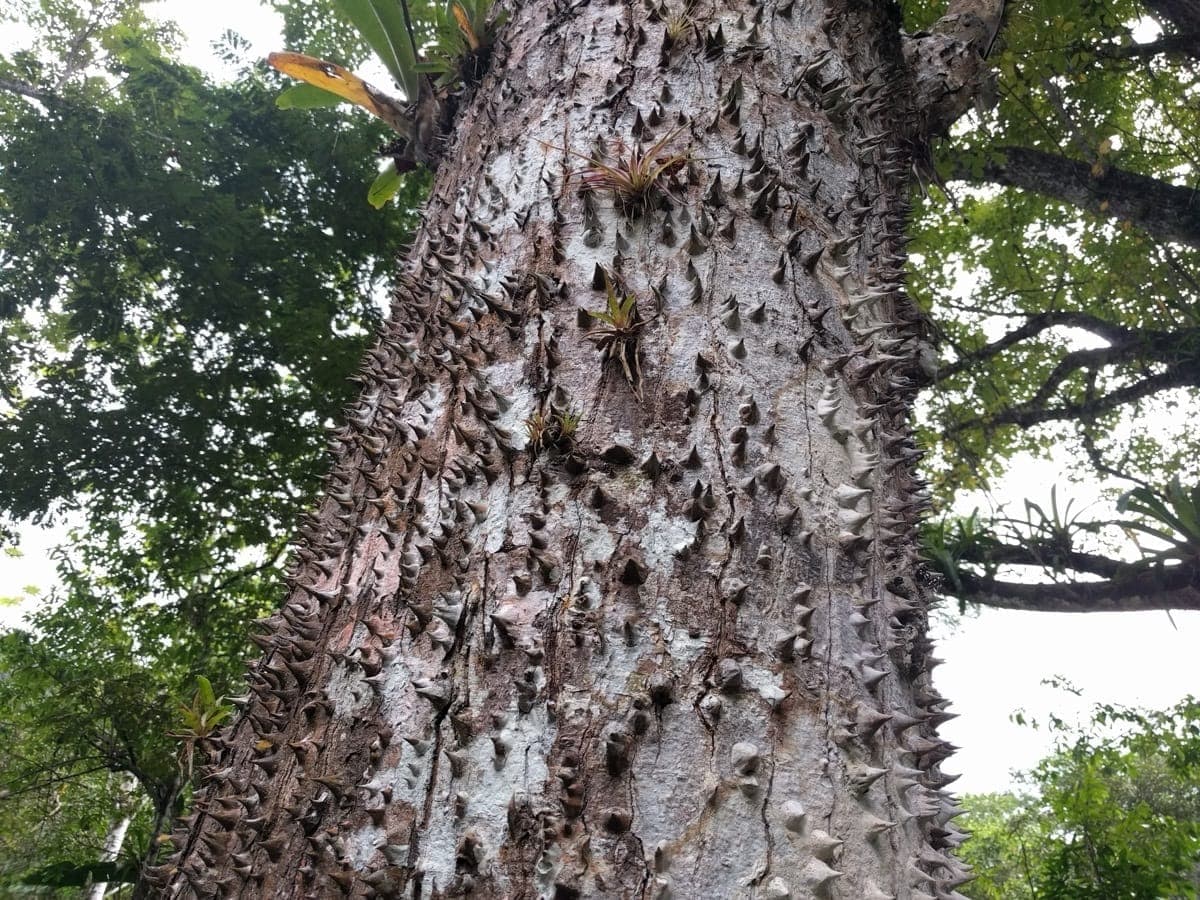
The Panamá tree (Sterculia apetala) is one of the most impressive giants of Central American tropical dry forests. With massive buttressed trunks and spreading crowns reaching 45 meters, these magnificent trees are landmarks in Guanacaste's landscape and critical habitat for scarlet macaws.
Quick Reference
iNaturalist Observations
Community-powered species data
📸 Photo Gallery
Whole tree
📷 (c) Kerstin Wasson, some rights reserved (CC BY-NC)(CC BY-NC)
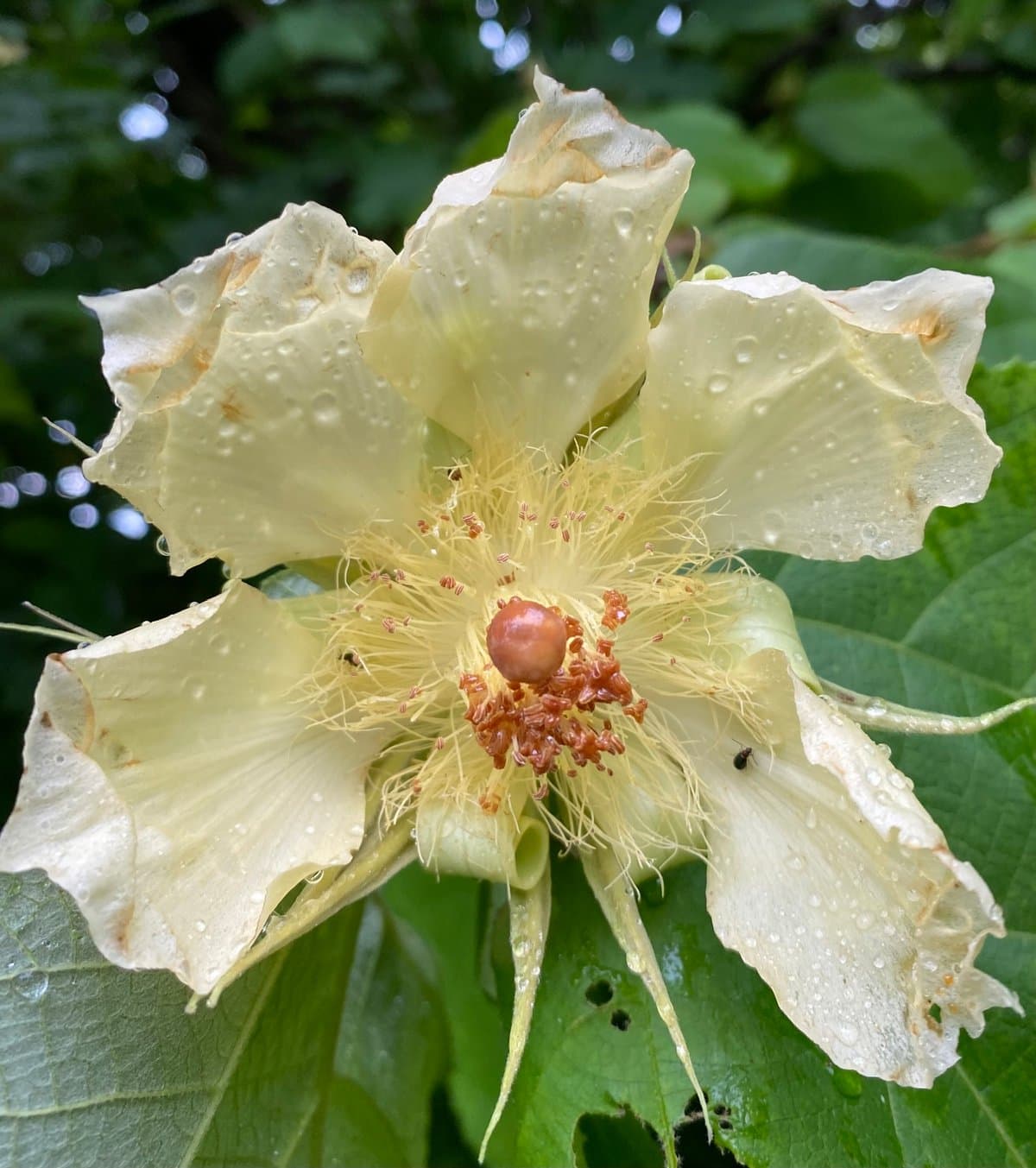
View source ↗Leaves
📷 (c) Doug Gilbert, some rights reserved (CC BY-NC)(CC BY-NC)
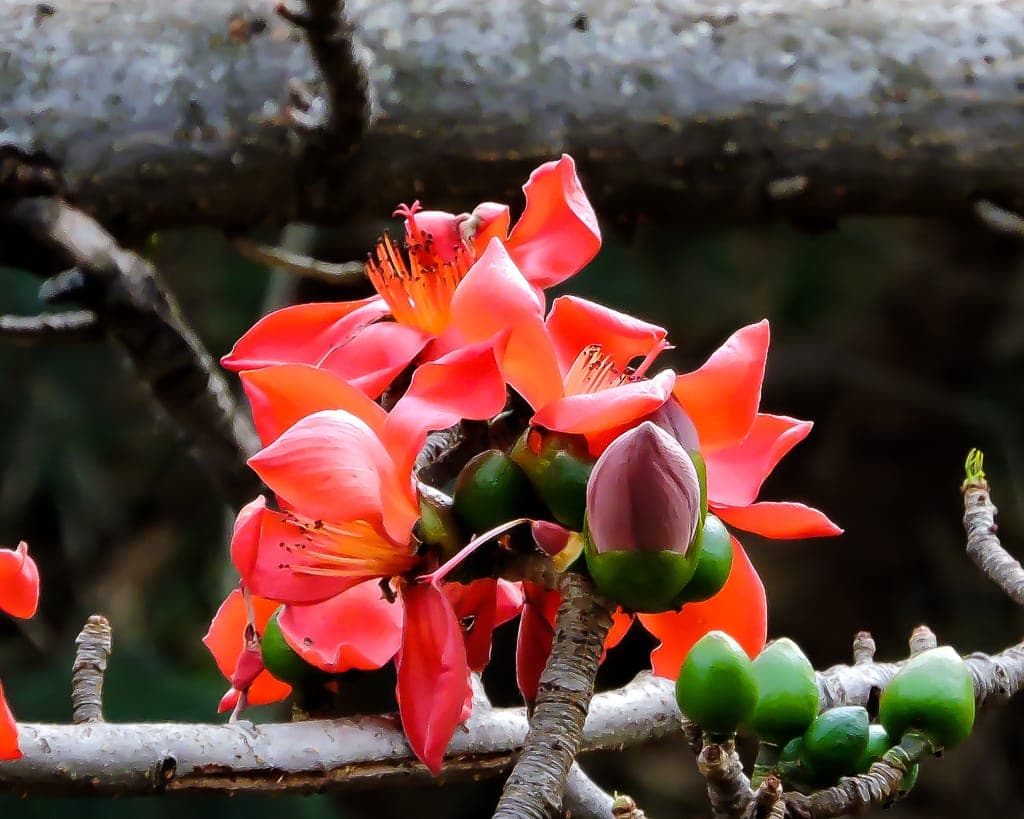
View source ↗Fruit
📷 (c) leithallb, some rights reserved (CC BY-NC)(CC BY-NC)
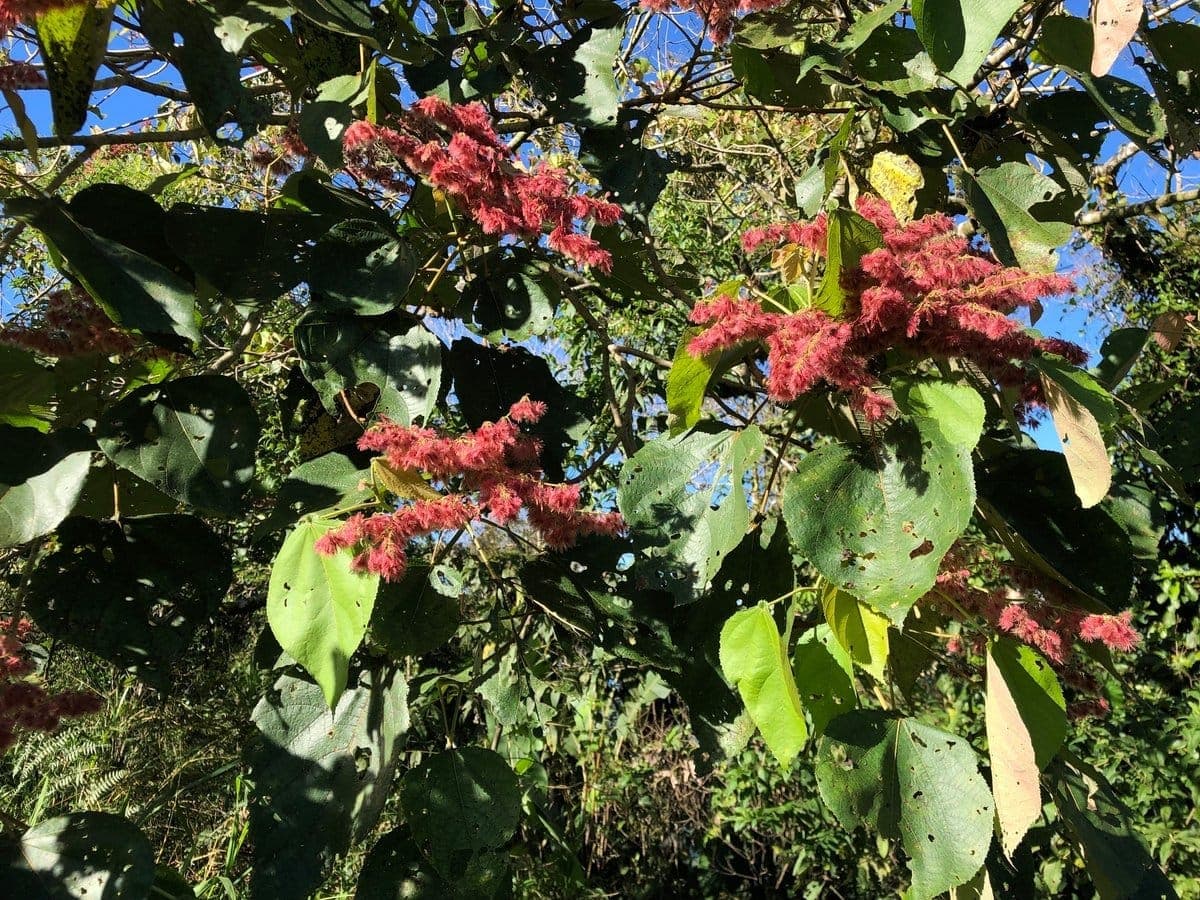
View source ↗Whole tree
📷 (c) Doug Gilbert, some rights reserved (CC BY-NC)(CC BY-NC)
View source ↗Leaves
📷 (c) Doug Gilbert, some rights reserved (CC BY-NC)(CC BY-NC)
View source ↗Photos sourced from iNaturalist's citizen science database. View all observations →↗
Taxonomy & Classification
Geographic Distribution
Geographic Distribution
Where to Find Panamá Trees in Costa Rica
Primary Distribution:
Elevation: Sea level to ~700 m
Habitat & Ecology
Forest Role
Panamá's ecological importance:
Wildlife Value
Exceptional habitat:
Panamá trees are among the most important nesting sites for scarlet macaws in Costa Rica. The large hollow branches and trunk cavities provide safe nest sites, making conservation of these trees critical for macaw survival.
Botanical Description
Wood Properties
Appearance
Physical Properties
Despite its impressive size, Panamá wood is rarely used commercially due to its softness and poor durability. Its value lies in ecosystem services rather than timber production.
Uses
Conservation Status
Conservation Status: Stable but Declining
Population status:
While not globally threatened, large mature Panamá trees are becoming rare due to agricultural expansion. Their importance for scarlet macaw nesting makes preservation of remaining giants critical.
Growing Panamá Trees
Similar Species
Where to See Panamá Trees
Best Locations in Costa Rica
Protected Areas:
Identification Tips:
External Resources
Community observations, photos, and distribution data
Global observations
Official taxonomy and botanical information
Kew Gardens
Global biodiversity occurrence data and distribution maps
Conservation status and species assessment
References
📚 Scientific References & Further Reading
Janzen, D.H. (1983). Costa Rican Natural History. University of Chicago Press
Vaughan, C. et al. (2003). Scarlet Macaw nesting habitat in Costa Rica. Conservation Biology
Sterculia apetala stands as one of the most impressive trees of Costa Rica's dry forests — a living monument that may have witnessed centuries of history. These giants are irreplaceable habitat for scarlet macaws and countless other species. Every mature Panamá tree represents not just a tree, but a functioning ecosystem providing food, shelter, and nesting sites for the remarkable wildlife of Guanacaste.
🌳 ¡Pura Vida!
Safety Information Disclaimer
Safety information is provided for educational purposes only. Individual reactions may vary significantly based on age, health status, amount of exposure, and individual sensitivity. Always supervise children around plants. Consult a medical professional or certified arborist for specific concerns. The Costa Rica Tree Atlas is not liable for injuries or damages resulting from interaction with trees described in this guide.
• Always supervise children around plants
• Consult medical professional if unsure
• Seek immediate medical attention if poisoning occurs
Information compiled from authoritative toxicology sources, scientific literature, and medical case reports.
Help improve this page
Know something about this tree? Share local knowledge, suggest a correction, or submit a photo to improve this guide for everyone.