Zorrillo
Senna reticulata
Quick facts
Native Region
Tropical America from southern Mexico to northern South America, including Costa Rica
Max Height
8 m (26 ft)
Family
Fabaceae
Conservation
LC — Least Concern
Uses
Safety Information
Toxicity Details
Senna species can contain anthraquinone compounds that may cause gastrointestinal upset if leaves or seeds are ingested in quantity. The standing tree is generally low risk in landscape settings.
Skin Contact Risks
Normal contact with leaves and bark is usually safe. Sensitive people can experience mild irritation after prolonged handling.
Allergenic Properties
Low allergen risk overall. Pollen can occasionally irritate sensitive individuals during peak flowering.
Structural Hazards
No unusual structural hazards beyond normal branch loss during strong storms.
Wildlife & Pet Risks
Flowers are beneficial to pollinators. Livestock should not browse large amounts of foliage due to laxative compounds.
Season
Flowering
Apr-Aug
Fruiting
Jul-Nov
How to identify
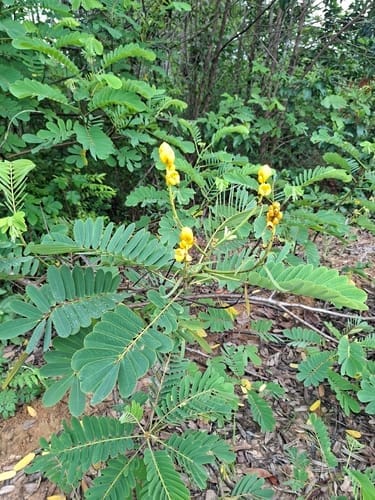
Zorrillo (Swamp Senna)
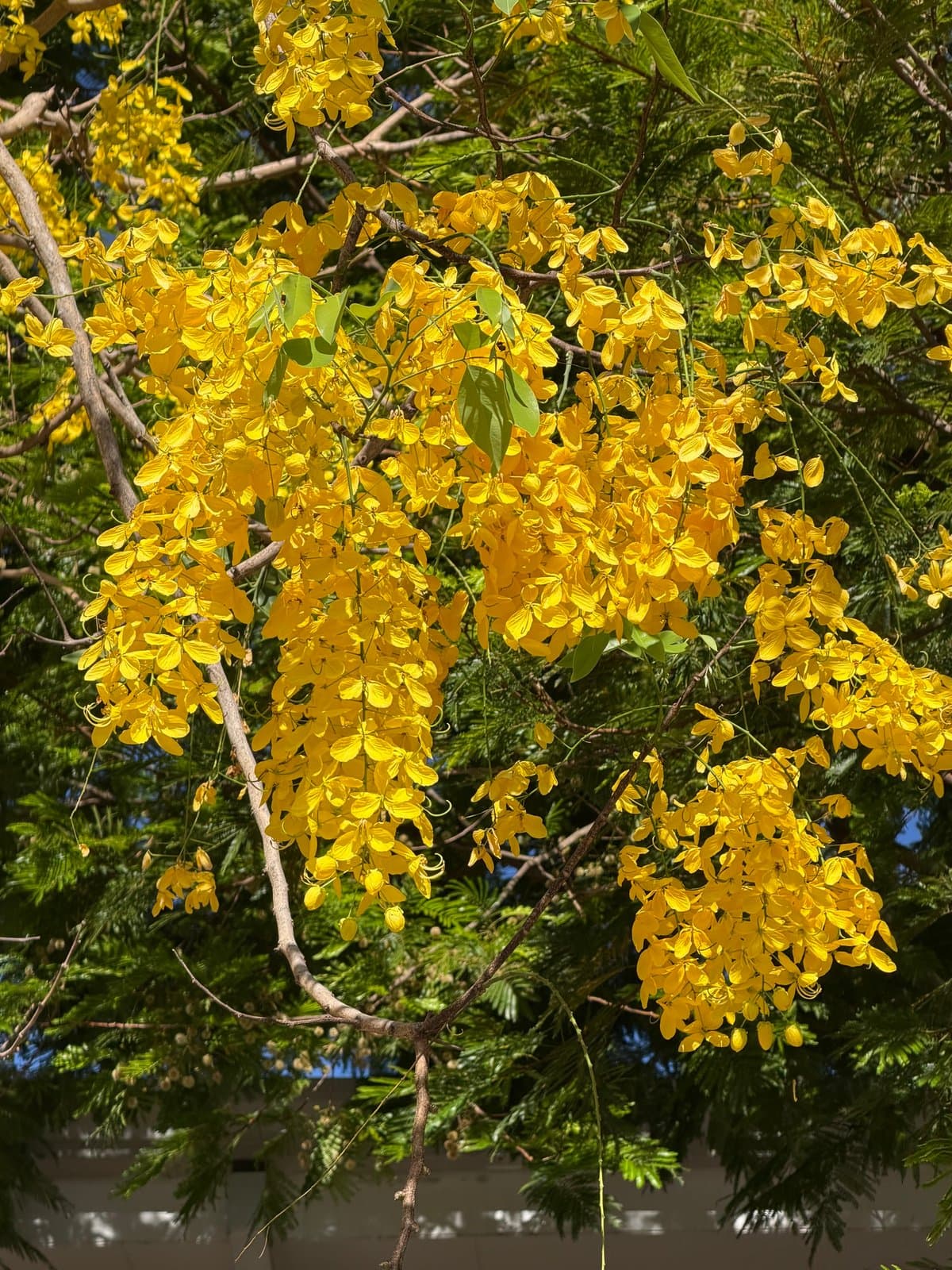
Zorrillo (Senna reticulata) is a bright yellow-flowering small tree used in riparian restoration, living fences, and pollinator habitat. In Costa Rica it performs best in warm lowlands with seasonal flooding or high soil moisture.
Quick Reference
iNaturalist Observations
Community-powered species data
📸 Photo Gallery
Whole tree
📷 (c) datafoya2314, some rights reserved (CC BY-NC)(CC BY-NC)
View source ↗Leaves
📷 (c) datafoya2314, some rights reserved (CC BY-NC)(CC BY-NC)
View source ↗Whole tree
📷 (c) John Klymko, some rights reserved (CC BY-NC)(CC BY-NC)
View source ↗Leaves
📷 (c) datafoya2314, some rights reserved (CC BY-NC)(CC BY-NC)
View source ↗Whole tree
📷 (c) pkondrashov, some rights reserved (CC BY-NC)(CC BY-NC)
View source ↗Images are sourced via GBIF occurrence media and iNaturalist observation records under listed licenses.
Taxonomy & Classification
Physical & Botanical Description
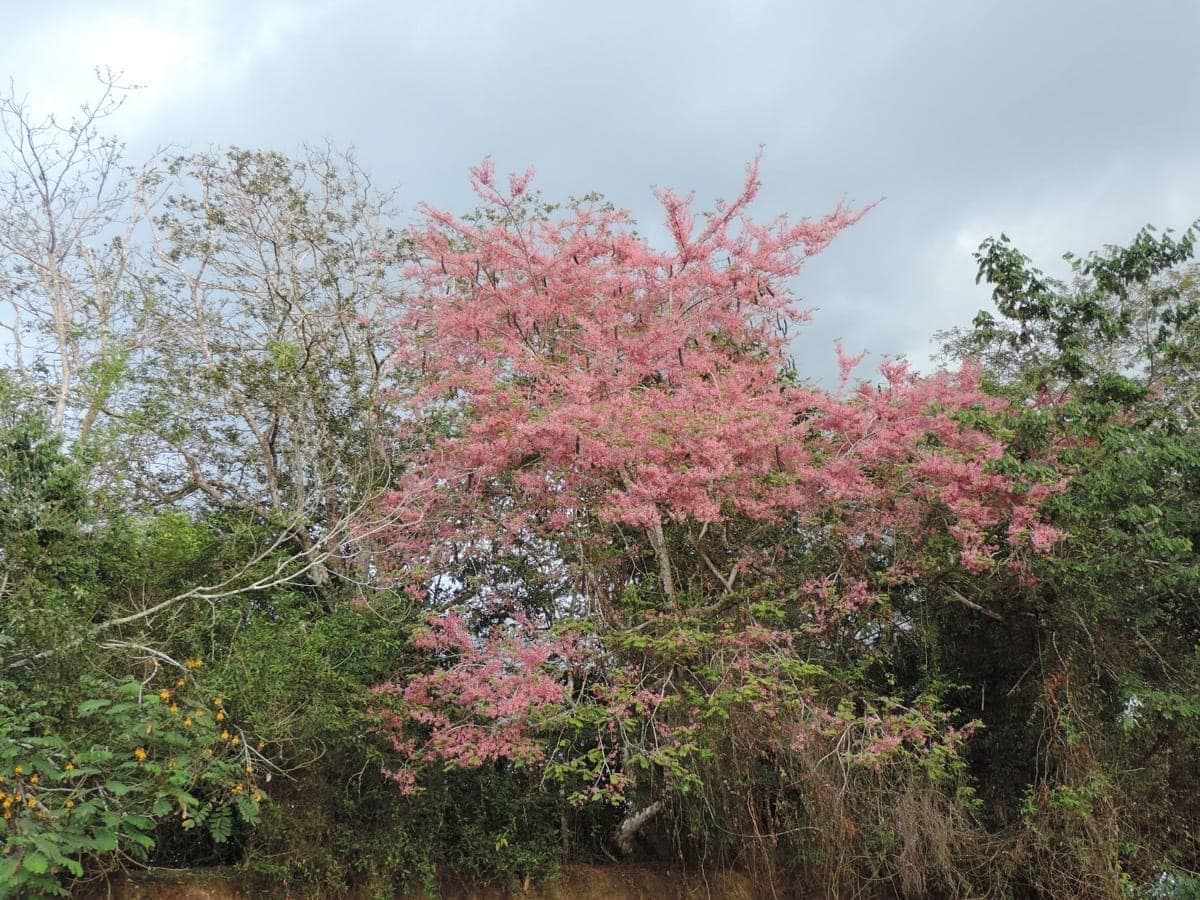
- Multi-stemmed shrub to small tree, usually 4-8 m tall.
- Bark gray-brown and relatively smooth when young, becoming fissured with age.
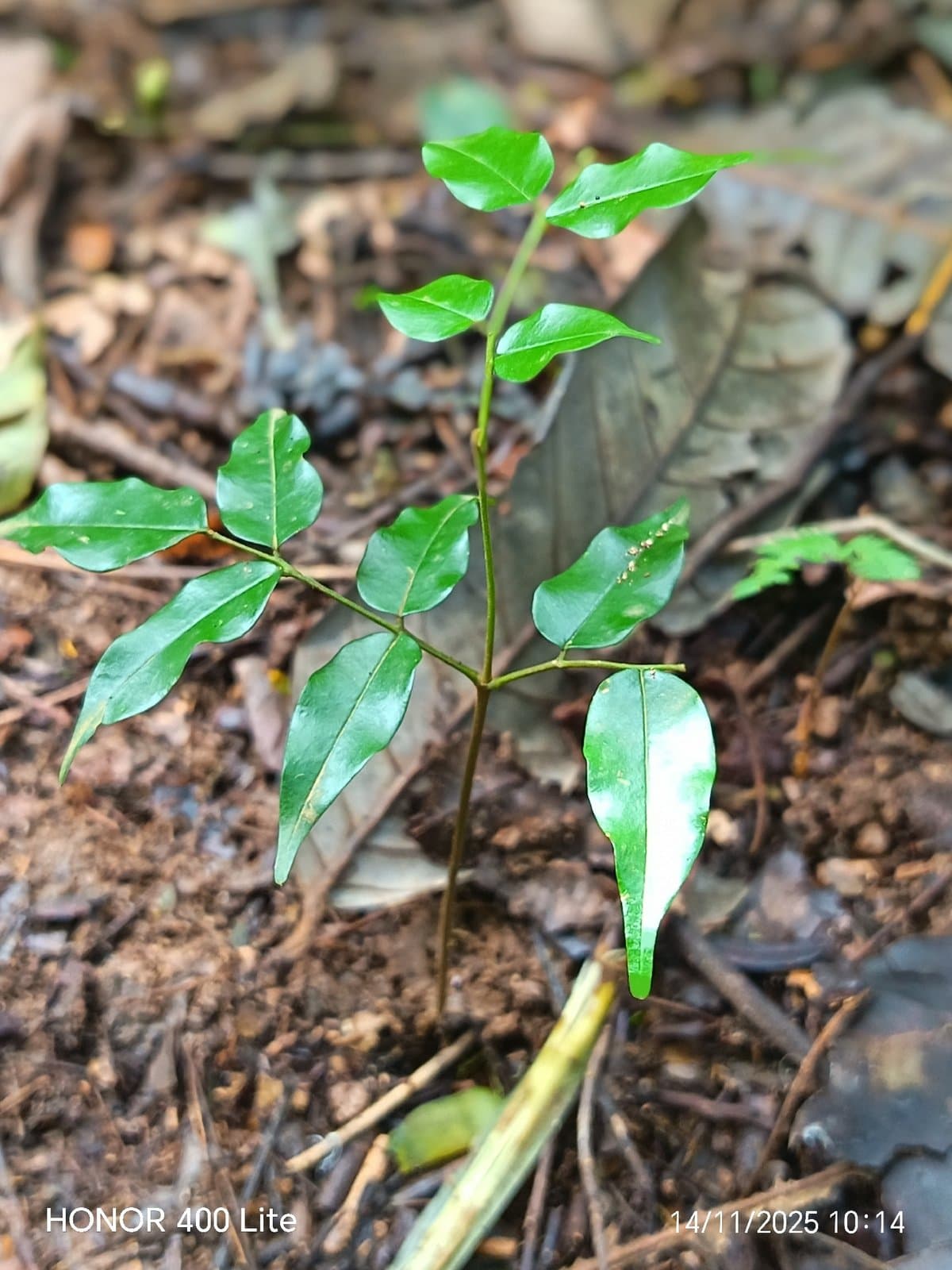
- Leaves are pinnate with opposite leaflets and soft texture.
- Flower clusters are bright yellow and highly visible in open habitats.
- Pods are elongated and contain multiple hard-coated seeds.
Geographic Distribution
Geographic Distribution
Elevation: 0-1200 m
In Costa Rica, zorrillo appears mostly in warm lowland zones, especially along river margins, wet pastures, and seasonally flooded edges.
Habitat & Ecology
- Common in riparian corridors, secondary growth, and disturbed wet soils.
- Flowers provide nectar and pollen resources for bees and other insects.
- As a legume, it contributes to nutrient cycling in degraded tropical soils.
- Rapid colonization helps stabilize banks and reduce erosion in flood-prone landscapes.
Uses & Applications
Traditional and practical uses
- Regional medicinal use in decoctions and topical preparations.
- Ornamental planting for long flowering displays.
- Restoration species for humid lowland corridors.
- Temporary shade and wind buffering in mixed agroforestry plots.
Safety in medicinal context
Traditional use exists, but dosage and preparation quality vary. Professional medical guidance is essential before internal use.
Conservation Status
IUCN Red List: Least Concern (LC).
Although globally stable, local populations can decline where wetlands and river margins are converted to intensive land uses.
Growing Zorrillo
- Plant in full sun at rainy-season onset.
- Keep soils moist during first 12-18 months.
- Prune lightly after flowering to improve shape and branching.
- Monitor for drought stress in prolonged dry periods.
- Renew mulch annually to protect shallow roots.
This species is a practical option for pollinator gardens and ecological buffer planting in warm, humid regions.
Advanced Care Guidance
Site Design and Planting
- Establish in full sun with 3-5 m spacing for riparian buffers and flowering hedgerows.
- Prioritize deep loam or alluvial soils with good infiltration and seasonal moisture.
- In flood-prone areas, plant on slight mounds so roots tolerate high moisture without prolonged stagnation.
Watering Program
- Establishment (0-6 months): Deep irrigation 2 times per week in dry periods.
- Juvenile phase (6-24 months): Irrigate every 7-10 days during intense drought windows.
- Established trees: Supplemental irrigation only during extended dry spells or before peak flowering.
Fertilization Schedule
- At planting, incorporate compost and rock phosphate to support root expansion.
- Apply a light balanced dose (for example 12-12-17) at early and mid rainy season during years 1-2.
- Reduce nitrogen-heavy fertilization after establishment because this legume already supports nutrient cycling.
Pruning and Structure
- Perform light pruning after major flowering flushes to maintain a broad, stable canopy.
- Remove crossing stems and low weak branches during years 1-3.
- Avoid severe dry-season pruning that can trigger stress and reduced bloom performance.
Pest and Disease Management
- Monitor for caterpillars, scale insects, and sooty mold in humid transitions.
- Improve airflow through selective thinning if foliar fungal spots increase.
- Prioritize sanitation pruning and biological controls before chemical options.
Companion Planting
- Recommended companions: Palma Yolillo, Corozo, Guaba species, and pollinator-friendly native shrubs.
- Agroforestry role: Rapid nurse canopy and nectar support for restoration strips in humid lowlands.
- Avoid nearby: Strict dry-forest species that prefer prolonged drought and dense turf directly at trunk base.
Seasonal Care Calendar (Costa Rican Conditions)
- Dry season (Dec-Apr): Maintain mulch depth, strategic deep irrigation, and drought-stress checks.
- Early rains (May-Jul): Main planting window, fertilization, and formative pruning.
- Peak rains (Aug-Oct): Flood-drainage monitoring and fungal scouting.
- Transition (Nov): Soil amendment and irrigation planning for upcoming dry months.
Growth Timeline and Management Notes
- Fast establishment; flowering can begin in years 2-3 under full sun.
- Structural stabilization usually occurs by years 3-4 with regular light pruning.
- For restoration uses, integrate with longer-lived native canopy species by year 2.
Field Identification and Similar Species
Fast field cues for zorrillo
- Habit is usually a broad, multi-stemmed shrub-tree rather than a single tall forest trunk.
- New leaf flush tends to be soft-textured and light green, then darkens quickly with moisture and sun.
- Flowering often appears as conspicuous yellow clusters held above surrounding wetland herbs and grasses.
- Pods are narrow and elongated, hanging in clusters after flowering flushes.
- In open wet sites, crowns are rounded and visibly denser on the sun-facing side.
Common confusion with other yellow-flowering legumes
Practical verification protocol
- Confirm wet-site context (riparian edge, floodplain margin, or moist pasture edge).
- Check pinnate leaf structure and compare leaflet shape against verified photo references.
- Record flower and pod stage if present; these reproductive details reduce misidentification risk.
- Document canopy habit and bark appearance from at least two angles.
- When uncertain, cross-check with iNaturalist observations from the same region and season.
Seasonal Phenology in Costa Rica
Seasonality can shift by watershed and annual rainfall intensity. The pattern below is a practical planning baseline for lowland and foothill restoration projects.
Restoration and Management Playbook
Riparian buffer installation
- Use zorrillo as an early-structure species on upper riverbank benches and floodplain shoulders.
- Combine with deeper-rooted longer-lived trees so canopy function persists after pioneer phases.
- Keep grass suppression rings during years 1-2 to reduce dry-season mortality.
- Replace failed individuals quickly in first rainy season to keep buffer continuity.
Wet pasture conversion strips
- Plant in staggered rows rather than a single line to improve wind resistance and pollen flow.
- Use short-term fencing when livestock pressure is high during establishment.
- Maintain visible maintenance lanes for inspection and targeted pruning access.
- Pair with native shrubs that attract pollinators to increase ecological function beyond erosion control.
Urban and peri-urban rain-garden use
- Place away from narrow drainage inlets that clog with leaf litter.
- Maintain modest crown size through light cyclical post-bloom pruning.
- Keep educational signage that clarifies medicinal caution and low-toxicity but non-edible status.
- Prioritize sites where seasonal moisture can be retained without chronic root stagnation.
Integration with mixed native corridors
- Use zorrillo as a 2- to 8-year accelerator species while slower canopy trees establish.
- Introduce late-successional companions once zorrillo provides partial shade and cooler soil.
- Schedule thinning only where zorrillo suppresses target long-lived natives.
- Preserve some flowering individuals as perennial pollinator anchors in each restoration cell.
Monitoring Checklist (First Five Years)
Common Mistakes and Corrective Actions
Where to See Zorrillo in Costa Rica
- Caño Negro Wildlife Refuge floodplain edges.
- Tortuguero lowland corridors and wet secondary growth.
- Tempisque basin wetlands in Guanacaste.
- Sarapiqui river landscapes in mixed-use farms and forest margins.
External Resources
Field Workbook Appendix
This appendix is a practical planning tool for teams managing this species in real field conditions. Use it as a repeatable operations reference for maintenance, reporting, and adaptive decisions.
Detailed Monthly Checklist
January
- Confirm dry-season access routes for maintenance and monitoring.
- Review irrigation backup plans for recently established individuals.
February
- Recheck mulch depth and root-zone moisture retention.
- Log any early stress indicators before peak dry pressure.
March
- Inspect structural form and remove urgent hazard defects only.
- Prepare materials and crew plans for rainy-season intervention.
April
- Finalize nursery or replacement stock lists for next planting pulse.
- Validate field labels, plot IDs, and baseline photo points.
May
- Execute primary planting and replacement operations.
- Record weather windows and establishment conditions by microzone.
June
- Perform first rainy-season survival audit.
- Apply targeted nutrition only where growth response is weak.
July
- Update canopy and competition notes for each management unit.
- Correct minor structural issues while tissue recovery is strong.
August
- Intensify disease scouting during high humidity periods.
- Prioritize drainage checks in compacted or flood-prone microsites.
September
- Reassess stand density and airflow in crowded sectors.
- Schedule selective thinning where suppression risk is increasing.
October
- Evaluate reproductive output and wildlife interaction indicators.
- Flag priority plots for late-season corrective actions.
November
- Conduct pre-dry-season infrastructure and safety checks.
- Update next-year workplan based on observed bottlenecks.
December
- Complete end-of-year data consolidation and photo comparison sets.
- Confirm staffing, tools, and resource readiness for dry-season operations.
Site Decision Matrix
Annual Technical Audit Template
- Verify survival percentage by plot, zone, and planting cohort.
- Compare annual growth indicators against prior-year baseline.
- Review branch architecture and structural safety trends.
- Confirm canopy competition status relative to target companion species.
- Check root-zone condition and drainage functionality.
- Audit irrigation consistency during critical dry windows.
- Evaluate mulch quality and decomposition cycles.
- Verify nutrient applications and response outcomes.
- Review pest and disease records for trend acceleration.
- Confirm sanitation protocol compliance in all teams.
- Reassess access routes and emergency movement pathways.
- Validate all signage, species IDs, and plot coding systems.
- Confirm photo-monitoring points and archive completeness.
- Review phenology records for flowering and fruiting reliability.
- Check wildlife interaction notes where relevant.
- Evaluate erosion control performance in sensitive microsites.
- Reconcile field logs with digital records for data integrity.
- Identify repeated failure points and unresolved action items.
- Document successful interventions worth standardizing.
- Prioritize next-year investment areas by risk and impact.
- Update crew assignments for skill-critical operations.
- Confirm tool maintenance and replacement needs.
- Publish a short annual summary for project stakeholders.
- Carry unresolved high-risk items into the first quarter action plan.
Training Priorities for New Crew Members
- Species-safe handling protocols and PPE use expectations.
- Accurate field identification and uncertainty escalation steps.
- Proper planting depth and root preparation techniques.
- Early-stage pruning limits and timing windows.
- Weed-release standards for juvenile establishment.
- Mulch placement rules to prevent collar rot.
- Moisture-monitoring methods and irrigation documentation.
- Drainage troubleshooting in difficult microsites.
- Disease scouting basics and sanitation sequence.
- Pest threshold recognition for targeted response.
- Correct use of plot tags and label replacement workflow.
- Photo documentation standards for before/after comparison.
- Safe movement in muddy or unstable terrain.
- Storm response checklists and post-event hazard scans.
- Criteria for selective thinning versus no intervention.
- Data logging discipline and same-day record closure.
- Communication protocol for urgent field findings.
- Respectful coordination with local communities and landowners.
- Waste handling and residue management procedures.
- End-of-day quality review before leaving the site.
References
- GBIF Backbone Taxonomy: Senna reticulata (accepted species profile).
- IUCN Red List species account for Senna reticulata.
- iNaturalist and GBIF occurrence media records for regional observations.
- Plants of the World Online, Royal Botanic Gardens, Kew.
Safety Information Disclaimer
Safety information is provided for educational purposes only. Individual reactions may vary significantly based on age, health status, amount of exposure, and individual sensitivity. Always supervise children around plants. Consult a medical professional or certified arborist for specific concerns. The Costa Rica Tree Atlas is not liable for injuries or damages resulting from interaction with trees described in this guide.
• Always supervise children around plants
• Consult medical professional if unsure
• Seek immediate medical attention if poisoning occurs
Information compiled from authoritative toxicology sources, scientific literature, and medical case reports.
Help improve this page
Know something about this tree? Share local knowledge, suggest a correction, or submit a photo to improve this guide for everyone.