Caña Fístula
Cassia fistula
Quick facts
Native Region
South Asia
Max Height
10-20 meters
Family
Fabaceae
Conservation
LC — Least Concern
Uses
Safety Information
CAUTION
CAUTION: Seeds are toxic—never eat. Traditionally, only the pod PULP is used (after cleaning/removing seeds) for short-term constipation relief. Similar to senna. Overdosing causes diarrhea, dehydration, abdominal cramps. Keep away from children and pets. Ornamental tree is safe when seeds are not consumed.
Toxicity Details
MODERATE toxicity. Seeds are POISONOUS containing anthraquinones. Pod pulp used medicinally as laxative but requires proper preparation—seeds must be removed. Ingestion of seeds can cause severe gastrointestinal distress, dehydration, electrolyte imbalances.
Skin Contact Risks
No known skin irritation from plant contact.
First Aid & Emergency Response
• If ingested, seek immediate medical attention. Do not induce vomiting unless directed by medical professional.
• If sap contacts skin, wash immediately with soap and water. Seek medical attention if blistering or severe irritation occurs.
• If sap enters eyes, flush immediately with clean water for 15 minutes and seek emergency medical care.
Costa Rica Emergency: 911
Costa Rica Poison Control: 2223-1028
Season
Flowering
Mar-May
Fruiting
Aug-Oct
How to identify
Caña Fístula (Golden Shower Tree)
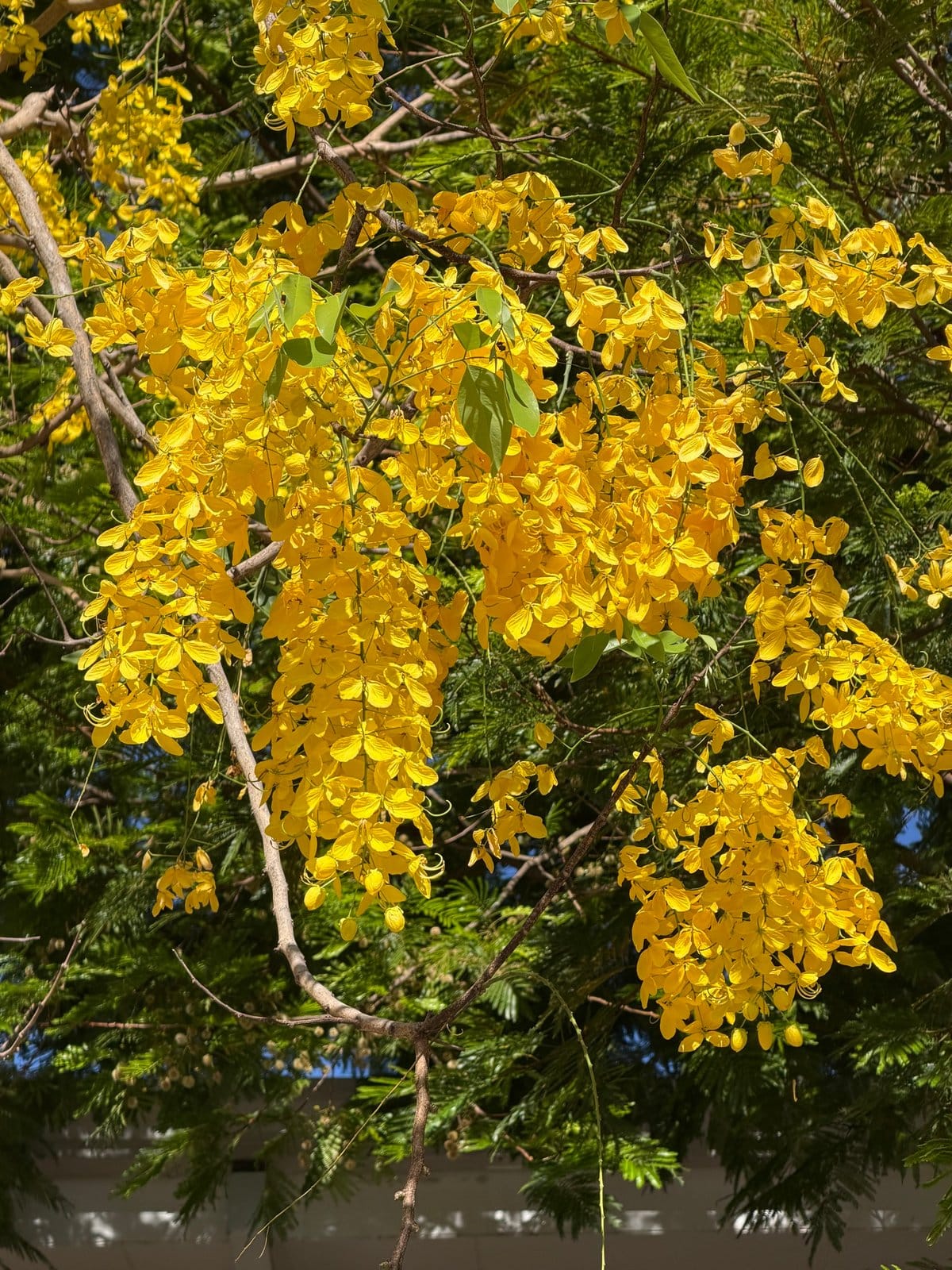
The Caña Fístula (Cassia fistula), known as the Golden Shower Tree, creates one of nature's most stunning visual spectacles. During the dry season, when this deciduous tree has dropped its leaves, it erupts in cascading clusters of brilliant yellow flowers that drip from every branch like liquid sunshine. Entire trees become golden waterfalls, visible from great distances. Originally from South Asia, it has become one of the most beloved ornamental trees throughout the tropics.
Quick Reference
iNaturalist Observations
Community-powered species data
📸 Photo Gallery
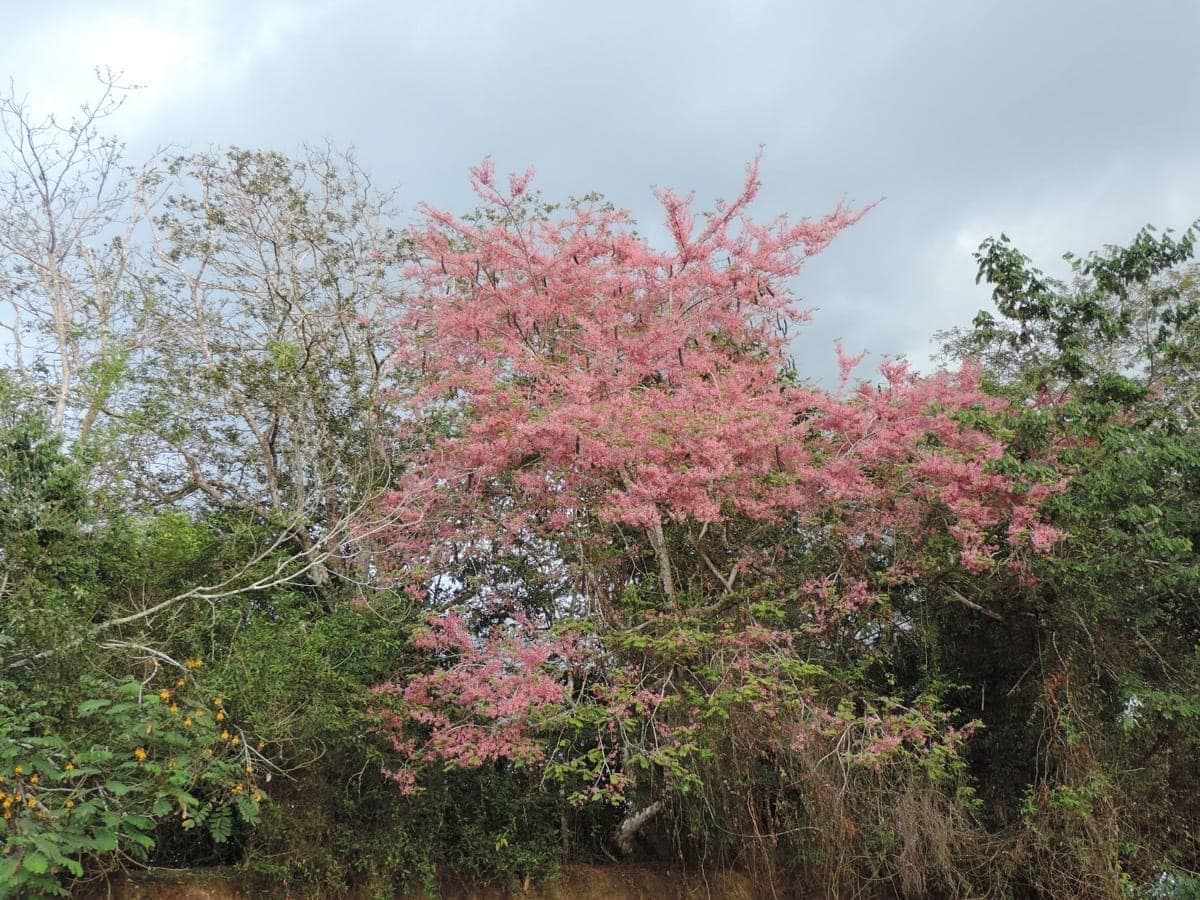
Whole tree
📷 (c) crazybirdy, some rights reserved (CC BY-NC)(CC BY-NC)
View source ↗Leaves
📷 (c) macawlodge2024, some rights reserved (CC BY-NC)(CC BY-NC)
View source ↗Flowers
📷 (c) Eva Hedström, some rights reserved (CC BY-NC)(CC BY-NC)
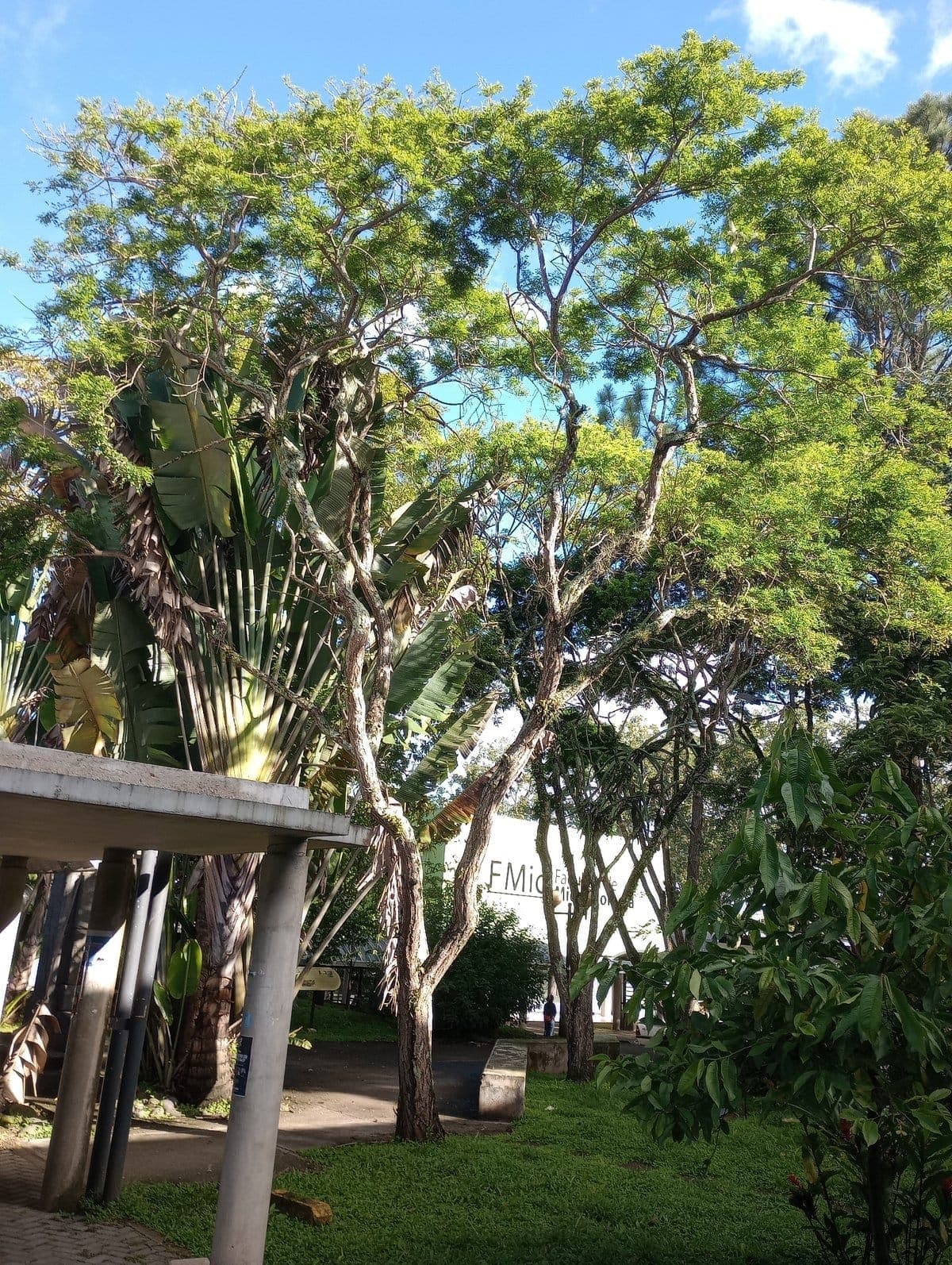
View source ↗Whole tree
📷 (c) dfoehring, some rights reserved (CC BY-NC)(CC BY-NC)
View source ↗Leaves
📷 (c) macawlodge2024, some rights reserved (CC BY-NC)(CC BY-NC)
View source ↗Photos sourced from iNaturalist's community science database. View all observations →↗
Taxonomy and Classification
- Cassia: Ancient Greek name for a cinnamon-like plant - fistula: Latin for "pipe" or "tube"—referring to the cylindrical pods - Golden Shower: Describes the cascading yellow flower clusters - Caña Fístula: Spanish for "fistula reed"—referring to the tube-like pods
Common Names
Physical Description
General Form
The Caña Fístula is a medium-sized deciduous tree with an open, spreading crown. While attractive year-round, it becomes absolutely magnificent during flowering season when covered entirely in golden yellow blooms. The long, dark seed pods persist on the tree for months, adding distinctive visual interest.
Distinctive Features
Leaves
- Type: Pinnately compound
- Leaflets: 4-8 pairs, opposite
- Size: 7-12 cm per leaflet
- Shape: Ovate to elliptic
- Texture: Smooth, slightly glossy
- Deciduous: Drops leaves before flowering
Bark
- Young: Smooth, pale gray-green
- Mature: Rough, grayish-brown
- Texture: Becomes fissured with age
- Inner Bark: Reddish
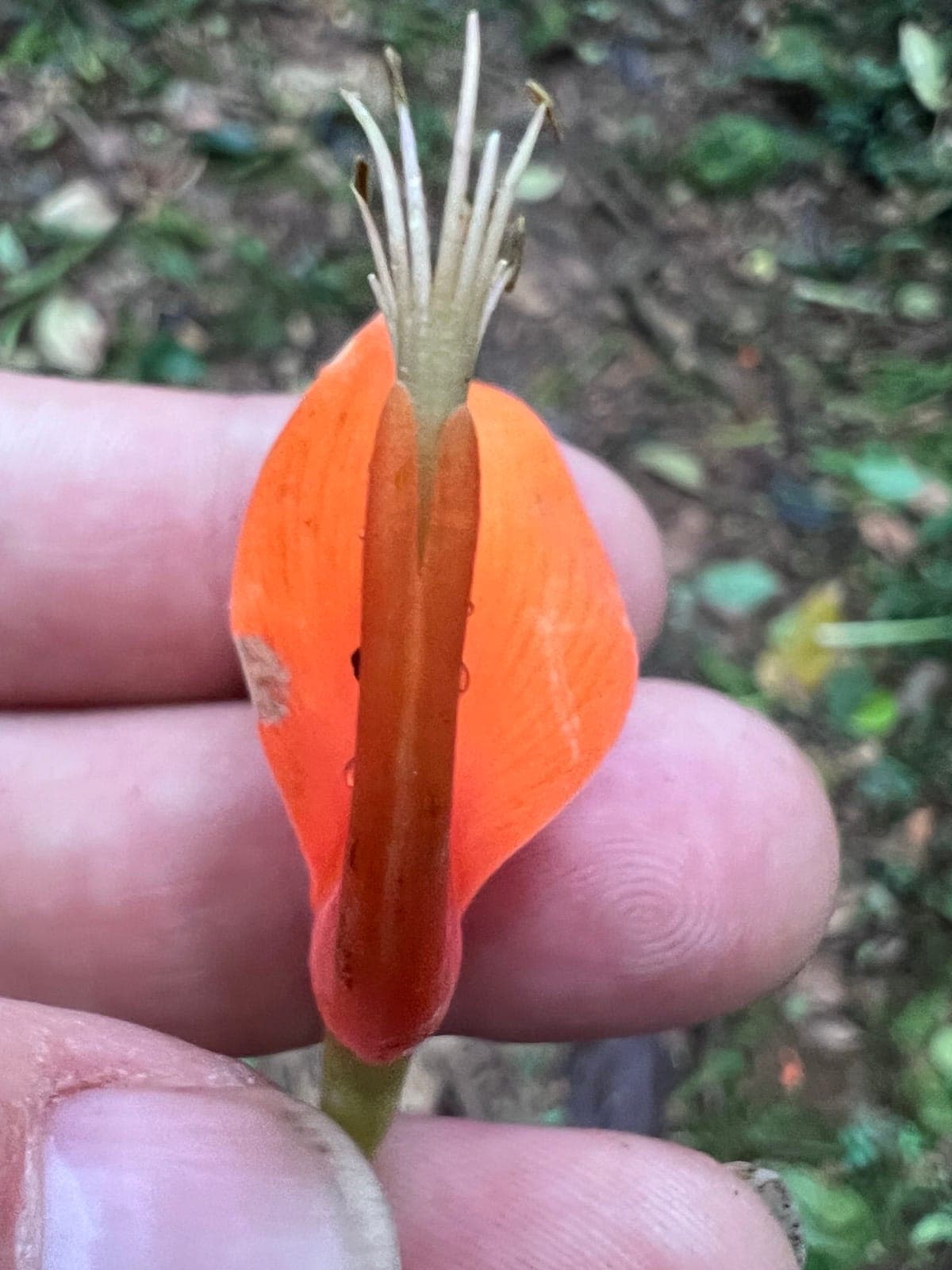
The Golden Flowers
- Type: Showy, 5 petals
- Color: Bright golden yellow
- Size: 4-7 cm diameter
- Arrangement: Long pendant racemes (30-60 cm!)
- Fragrance: Mildly sweet
- Duration: 2-3 weeks per tree
- Season: Late dry season (March-May in CR)
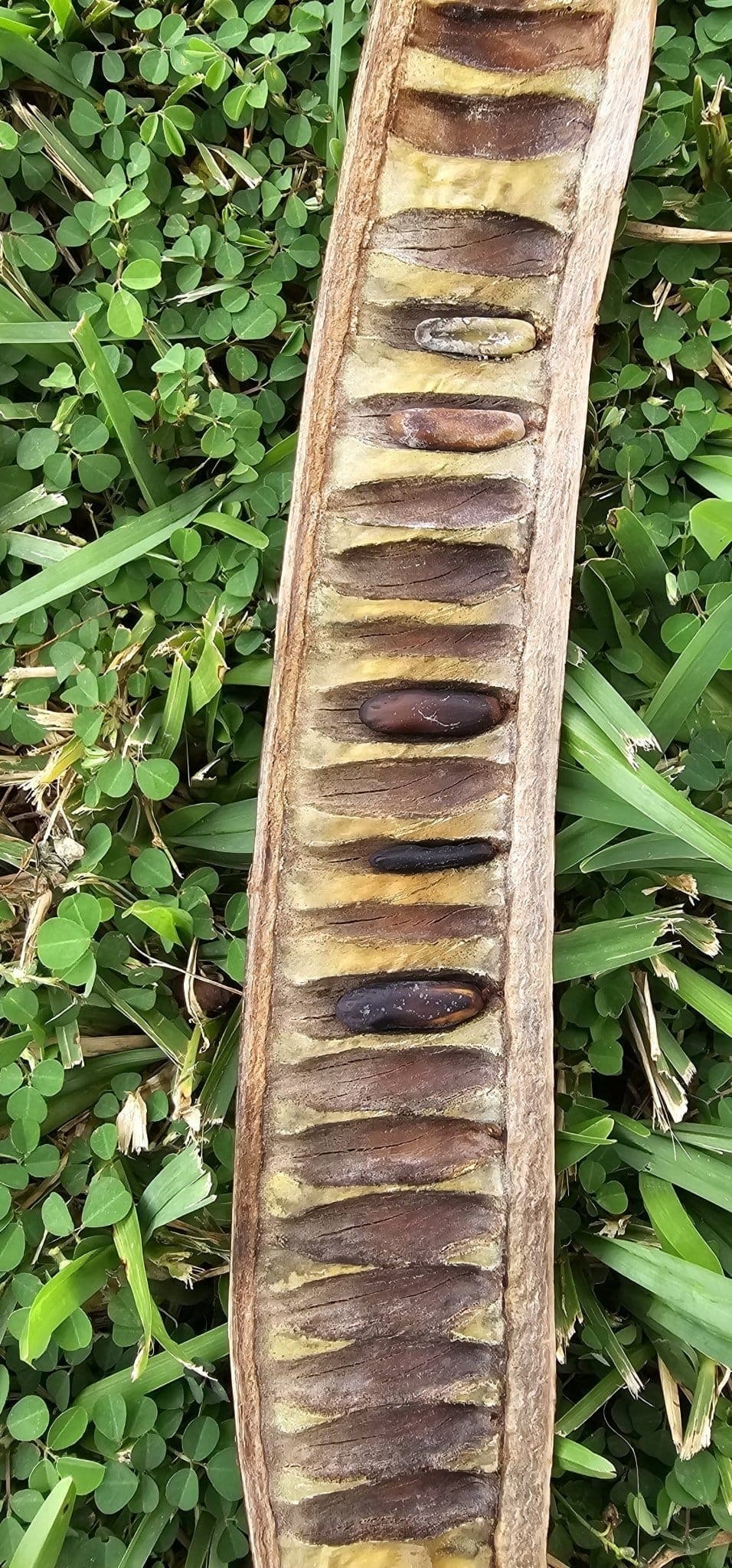
Seed Pods
- Shape: Long cylindrical tubes
- Length: 30-60 cm (up to 90 cm!)
- Diameter: 2-2.5 cm
- Color: Dark brown to black when ripe
- Contents: Sweet pulp surrounding seeds
- Persistence: Hang on tree for months
During peak flowering (usually March-April in Costa Rica), a Caña Fístula in full bloom is one of the most photogenic trees in the tropics: - Best Time: Mid-morning light makes flowers glow - Best Angle: Shoot upward into the golden canopy - Best Backdrop: Blue sky behind the yellow flowers
- Bonus: Bees and butterflies swarm the flowers Look for trees along roadsides, in parks, and in gardens during dry season!
Distribution and Habitat
Origin and Spread
Geographic Distribution
Distribution in Costa Rica
Widely cultivated throughout the country as an ornamental:
Growing Conditions
Cultural Significance
National Symbol of Thailand
Thailand's National Flower
The Caña Fístula holds special significance in Thailand: - Name: Ratchaphruek (ราชพฤกษ์) - "Royal Tree" - Status: National flower of Thailand - Color: Yellow represents Buddhism and Thai royalty - Events: Featured in Songkran (Thai New Year) - Gardens: Planted at temples and palaces The tree's association with royalty and religion makes it one of the most revered ornamental plants in Thai culture.
Regional Cultural Uses
Medicinal Uses
Traditional Medicine
The following information is for educational purposes only. Always consult healthcare professionals before using any plant medicinally. Some parts of the plant can cause side effects if used improperly.
Ayurvedic Medicine
In traditional Indian medicine, Caña Fístula has been used for millennia:
- Fruit Pulp: Natural laxative ("Aragvadha")
- Bark: Skin conditions, fever
- Leaves: Rheumatism, skin diseases
- Root: Various traditional preparations
- Flowers: Decorative, some medicinal use
Active Compounds
Modern research has identified:
- Anthraquinones: Laxative effect
- Flavonoids: Antioxidant properties
- Tannins: Astringent properties
- Sennosides: Cathartic compounds
Note: The fruit pulp is the safest and most commonly used part, primarily as a gentle laxative.
Ecological Role
Despite Being Introduced...
Although the Caña Fístula is not native to the Americas, it has integrated well into local ecosystems without becoming invasive: Benefits: - Pollinators: Major nectar source for bees - Birds: Attract seed-eating species - Butterflies: Important nectar plant - Urban Wildlife: Provides food in cities - Honey: Produces distinctive honey Unlike some introduced species, Caña Fístula doesn't spread aggressively and requires human planting to reproduce locally.
Wildlife Interactions
Flower Visitors
- Carpenter Bees: Primary pollinators
- Honeybees: Important nectar collectors
- Butterflies: Various species
- Hummingbirds: Occasional visitors
Pod/Seed Consumers
- Parakeets: Eat seeds from pods
- Squirrels: Gnaw on pods
- Rodents: Consume fallen seeds
- Cattle: Eat fallen pods (mild laxative!)
Landscaping and Ornamental Use
The Perfect Flowering Tree
Why Plant Caña Fístula?
The Golden Shower Tree is ideal for tropical landscaping: Advantages: - ✅ Stunning annual flower display - ✅ Moderate size (fits most properties) - ✅ Drought tolerant once established - ✅ Fast-growing - ✅ Provides light shade
- ✅ Attracts pollinators - ✅ Low maintenance Considerations: - ⚠️ Pods can be messy when falling - ⚠️ Needs full sun for best flowering - ⚠️ Deciduous (bare in dry season before bloom) - ⚠️ Frost sensitive
Planting Guidelines
Propagation
Growing from Seed
Identification Guide
How to Identify Caña Fístula
Where to See Caña Fístula in Costa Rica
The best time to see Caña Fístula in Costa Rica is March to May, during the late dry season. Look for golden cascades along: - Main roads in the Central Valley - City parks and plazas - Church yards and cemeteries - Hotel grounds - University campuses A single tree in full bloom is spectacular—multiple trees together are absolutely breathtaking!
External Resources
Community observations and photos
Official plant information
New crops resource online
Global biodiversity occurrence data and distribution maps
Conservation status and species assessment
References
📚 Scientific References & Further Reading
Orwa, C. et al. (2009). Cassia fistula. Agroforestree Database. World Agroforestry Centre
Panda, S. et al. (2011). Cassia fistula Linn: A review. International Journal of Research in Pharmacy and Chemistry 1(4)
Whistler, W.A. (2000). Tropical Ornamentals: A Guide. Timber Press, Portland
The Caña Fístula teaches us that beauty often follows austerity. After months of dry season, when the landscape turns brown and dusty, this remarkable tree strips itself bare—only to burst forth in the most magnificent display of golden flowers imaginable. It's as if the tree has saved all its energy for one glorious celebration, showering the world in liquid gold. Whether you call it Golden Shower, Ratchaphruek, or Caña Fístula, this tree from distant South Asia has found a welcoming home in Costa Rica, bringing its annual gift of golden beauty to cities and countryside alike.
Safety Information Disclaimer
Safety information is provided for educational purposes only. Individual reactions may vary significantly based on age, health status, amount of exposure, and individual sensitivity. Always supervise children around plants. Consult a medical professional or certified arborist for specific concerns. The Costa Rica Tree Atlas is not liable for injuries or damages resulting from interaction with trees described in this guide.
• Always supervise children around plants
• Consult medical professional if unsure
• Seek immediate medical attention if poisoning occurs
Information compiled from authoritative toxicology sources, scientific literature, and medical case reports.
Help improve this page
Know something about this tree? Share local knowledge, suggest a correction, or submit a photo to improve this guide for everyone.