Tirrá
Ulmus mexicana
Quick facts
Native Region
Mexico to Panama
Max Height
30-45 meters (100-150 feet)
Family
Ulmaceae
Conservation
VU — Vulnerable
Uses
Safety Information
Toxicity Details
Ulmus mexicana is completely non-toxic. No part of the tree — bark, leaves, wood, seeds, or sap — contains harmful compounds. The inner bark is sometimes used in traditional medicine as a mild tea. The winged seeds (samaras) are not edible but not toxic. This is consistent with the Ulmaceae family, which has no significantly toxic members.
Skin Contact Risks
No skin contact risk. The bark is rough but not irritating. The leaves are slightly rough-textured (typical of elms) but cause no dermatological reactions. Sawdust from woodworking may cause mild mechanical irritation but no chemical sensitivity. No allergic contact dermatitis reported.
Allergenic Properties
Moderate allergen risk during flowering season (January-March). Like most elms, Ulmus mexicana is wind-pollinated and produces significant quantities of airborne pollen. The pollen can trigger hay fever symptoms in sensitive individuals. The flowering period coincides with the dry season in Costa Rica. Outside the flowering period, allergen risk is negligible.
Structural Hazards
Significant structural considerations due to very large size. Mature trees reach 30-45 m with massive spreading crowns. Heavy branches can break during storms, especially older trees affected by Dutch Elm Disease or other pathogens. The tree is generally wind-resistant due to its strong wood but large dead branches pose a hazard. Plant well away from structures and maintain regular arboricultural inspections for large specimens.
Wildlife & Pet Risks
Completely safe for wildlife. Seeds are an important food source for quetzals, toucanets, and other highland birds. The bark crevices provide habitat for insects, small lizards, and epiphytes. No toxic compounds.
Season
Flowering
Jan-Mar
Fruiting
Feb-Apr
How to identify
Tirrá (Mexican Elm)
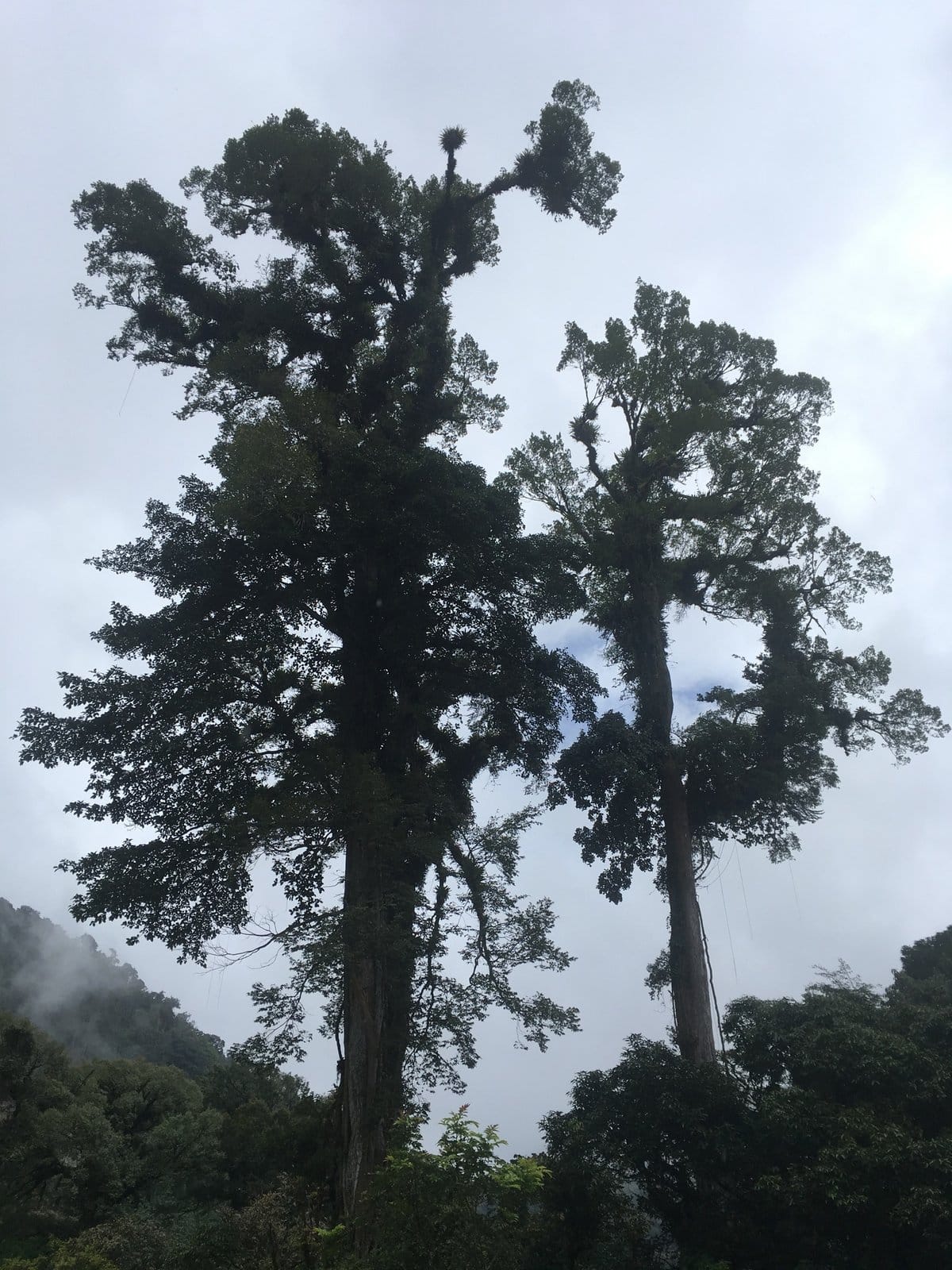
Tirrá (Ulmus mexicana), the Mexican Elm, is one of the most impressive trees in Costa Rica's cloud forests — a towering giant that can reach 45 meters in height with trunk diameters exceeding a meter. In a region dominated by tropical tree families, this elm stands out as the sole Central American representative of a predominantly temperate family, a living relic of ancient forest connections between North and South America. Its beautiful, durable wood has made it one of the most sought-after timber species in highland Costa Rica, but overexploitation has reduced wild populations significantly, earning it a Vulnerable conservation status.
Quick Reference
Key Information
Overview
Ulmus mexicana is one of the most remarkable trees in the neotropics — the world's largest tropical elm and one of the only elm species adapted to tropical montane conditions. While the genus Ulmus (containing about 40 species) is overwhelmingly a temperate Northern Hemisphere group familiar from European and North American landscapes, U. mexicana has carved out a niche in the cloud forests of Central America, thriving at elevations between 800 and 2,500 meters where cool temperatures and persistent mist create conditions reminiscent of the temperate forests from which its ancestors came.
In Costa Rica, the Tirrá is found in the highland forests of the Central Valley, the Talamanca range, and the mountain chains connecting them. The name "Tirrá" is of indigenous Huetar origin and has been adopted throughout the Costa Rican highlands. The tree is intimately associated with the "Zona de los Santos" (Santos Zone) of southern San José province — the coffee-growing highlands around the towns of Desamparados, Tarrazú, and Dota — where old Tirrá trees once towered above the landscape.
The timber of U. mexicana is highly valued: fine-grained, strong, and beautifully figured, it has been used for furniture, construction, and toolmaking since pre-Columbian times. This value has been the tree's curse as well as its distinction. Decades of selective logging have removed the largest specimens from accessible forests, and the species is now classified as Vulnerable. Reforestation efforts are underway, but the slow growth rate means that replacement of giant trees takes generations.
Ecologically, the Tirrá is a canopy dominant in cloud forests, where its massive crown provides habitat for orchids, bromeliads, ferns, mosses, and the entire ecosystem of epiphytes that characterize Central American montane forests. The tree is partially deciduous, losing some leaves during the dry season (January-April), and flowers in the early dry season before new leaves emerge — a timing strategy shared with many temperate elms.
📸 Photo Gallery
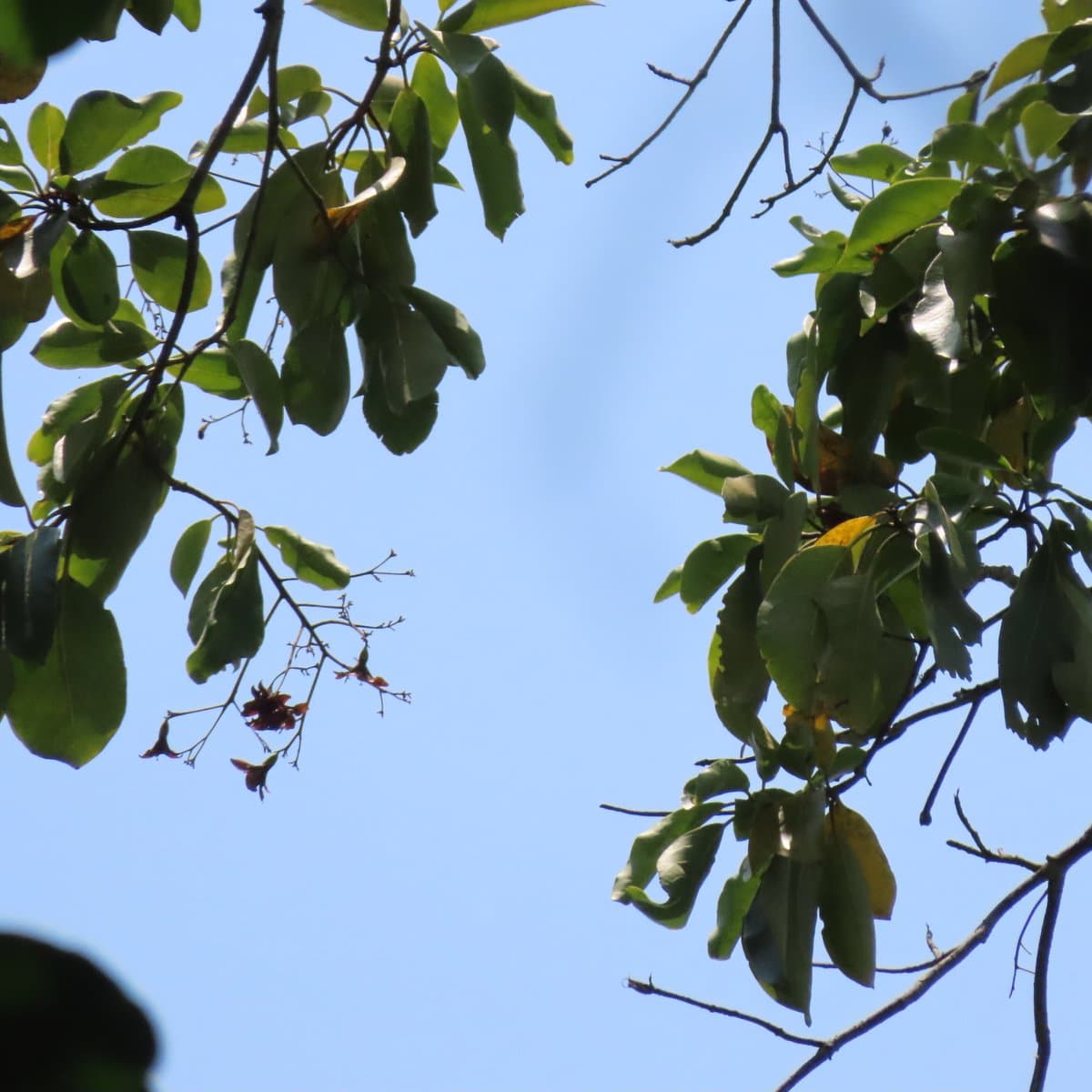
Whole tree
📷 (c) Riley Fortier, some rights reserved (CC BY-NC)(CC BY-NC)
View source ↗Leaves
📷 (c) Riley Fortier, some rights reserved (CC BY-NC)(CC BY-NC)
View source ↗Flowers
📷 (c) Jo Jiménez, some rights reserved (CC BY-NC)(CC BY-NC)
View source ↗Whole tree
📷 (c) juniporras, some rights reserved (CC BY-NC)(CC BY-NC)
View source ↗Leaves
📷 (c) juniporras, some rights reserved (CC BY-NC)(CC BY-NC)
View source ↗Photos sourced from iNaturalist's community science database. Browse all observations →↗
Taxonomy and Classification
Common Names by Region
Taxonomic Notes
Ulmus mexicana was described by Eduard Max Hermann Planchon in 1873. It holds a unique position as the most tropically adapted member of a predominantly temperate genus. Some authors have placed it in the section Chaetoptelea based on its winged fruit morphology (the samara wings extend below the seed cavity), but molecular phylogenetics confirms it belongs within Ulmus. The species shows some morphological variation across its range, and a few authors have suggested that Central American populations may represent a distinct subspecies, but this remains unresolved.
Physical Description
Growth Form
The Tirrá is a massive, deciduous to semi-deciduous canopy tree with a straight, cylindrical trunk that rises branchlessly for 15-25 meters before spreading into a broad, rounded crown. The overall form is architecturally striking — one of the tallest broadleaf trees in Central American highlands, easily overtopping surrounding canopy. Old-growth specimens are among the most imposing individual trees in any cloud forest.
Trunk
The trunk is columnar, straight, 60-150 cm in diameter at breast height (DBH), occasionally reaching 200 cm in old-growth specimens. The bark is thick, grayish-brown to dark brown, deeply fissured and furrowed in mature trees — forming irregular, flattened ridges. Conspicuous buttresses develop at the base of large trees, extending 1-2 meters up the trunk. The wood is dense, fine-grained, yellowish to light brown with an attractive figure.
Leaves
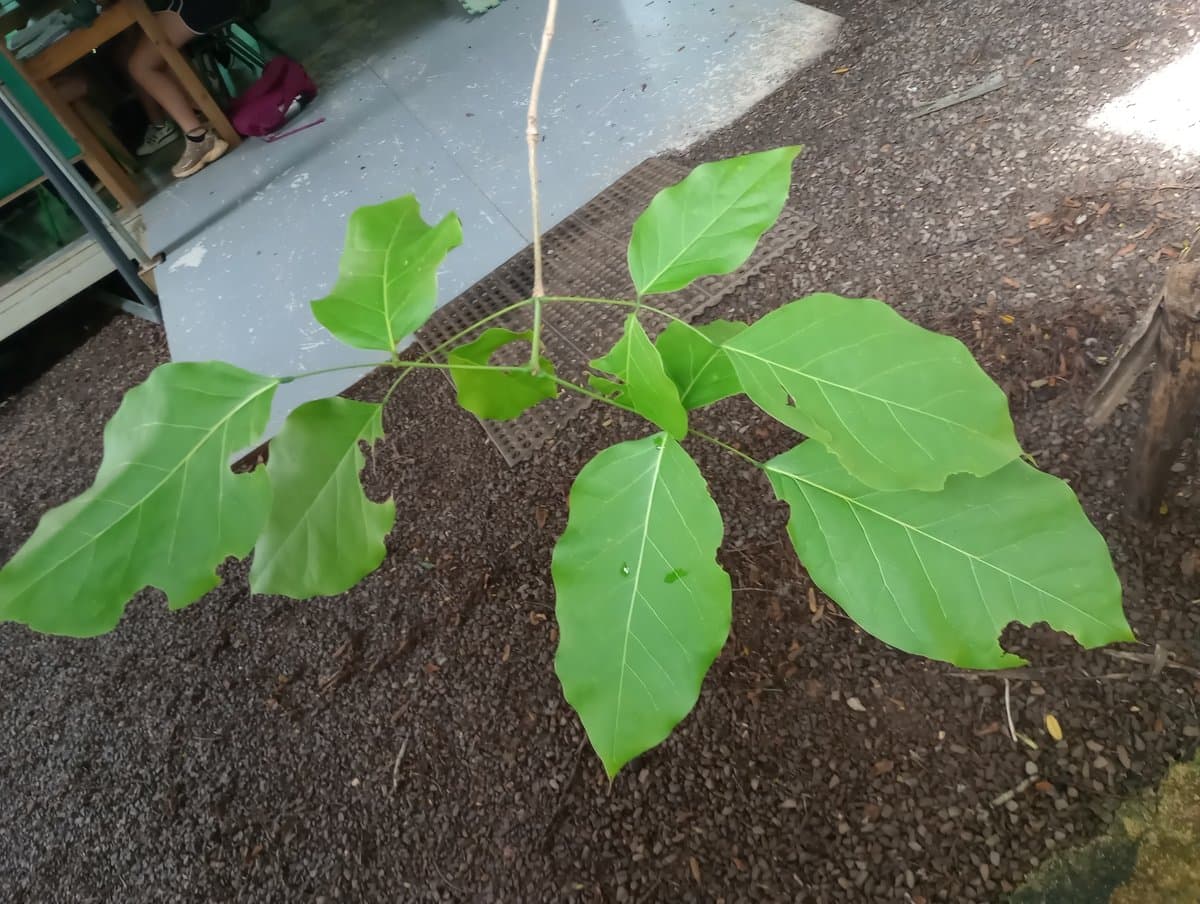
The leaves are alternate, simple, ovate to elliptic, 8-15 cm long and 4-7 cm wide, with a characteristically asymmetric base (typical of elms). The leaf margin is serrate (saw-toothed). Upper surface is dark green and slightly rough, lower surface paler with soft pubescence along the veins. Leaf venation is pinnate with prominent secondary veins that run parallel to each other and curve forward toward the leaf tip — the classic elm venation pattern. Leaves are deciduous or semi-deciduous, falling during the dry season (January-April) and flushing with new growth in April-May.
Flowers
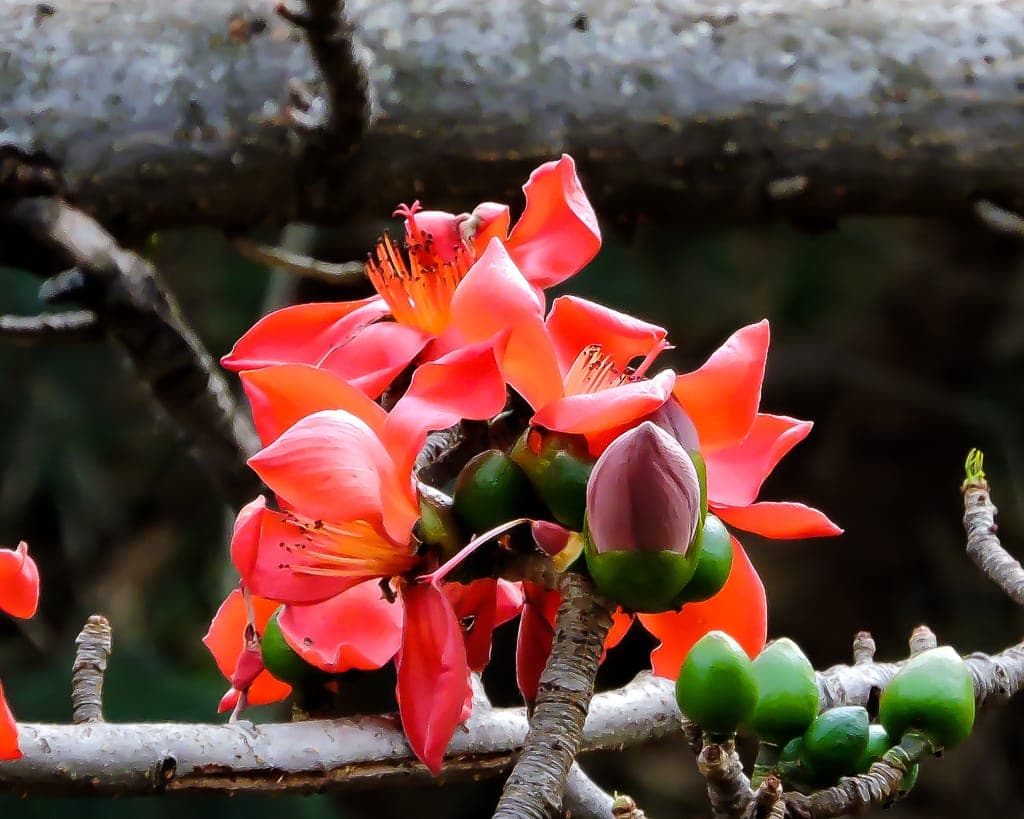
The flowers are small, inconspicuous, and wind-pollinated — appearing in clusters along the branches before or as new leaves emerge (January-March). Individual flowers are bisexual, greenish to reddish, 3-4 mm across, with 4-8 stamens and a single pistil. The flowering display is subtle but recognizable as the tree takes on a reddish-brown flush before leafing out.
Fruit and Seeds
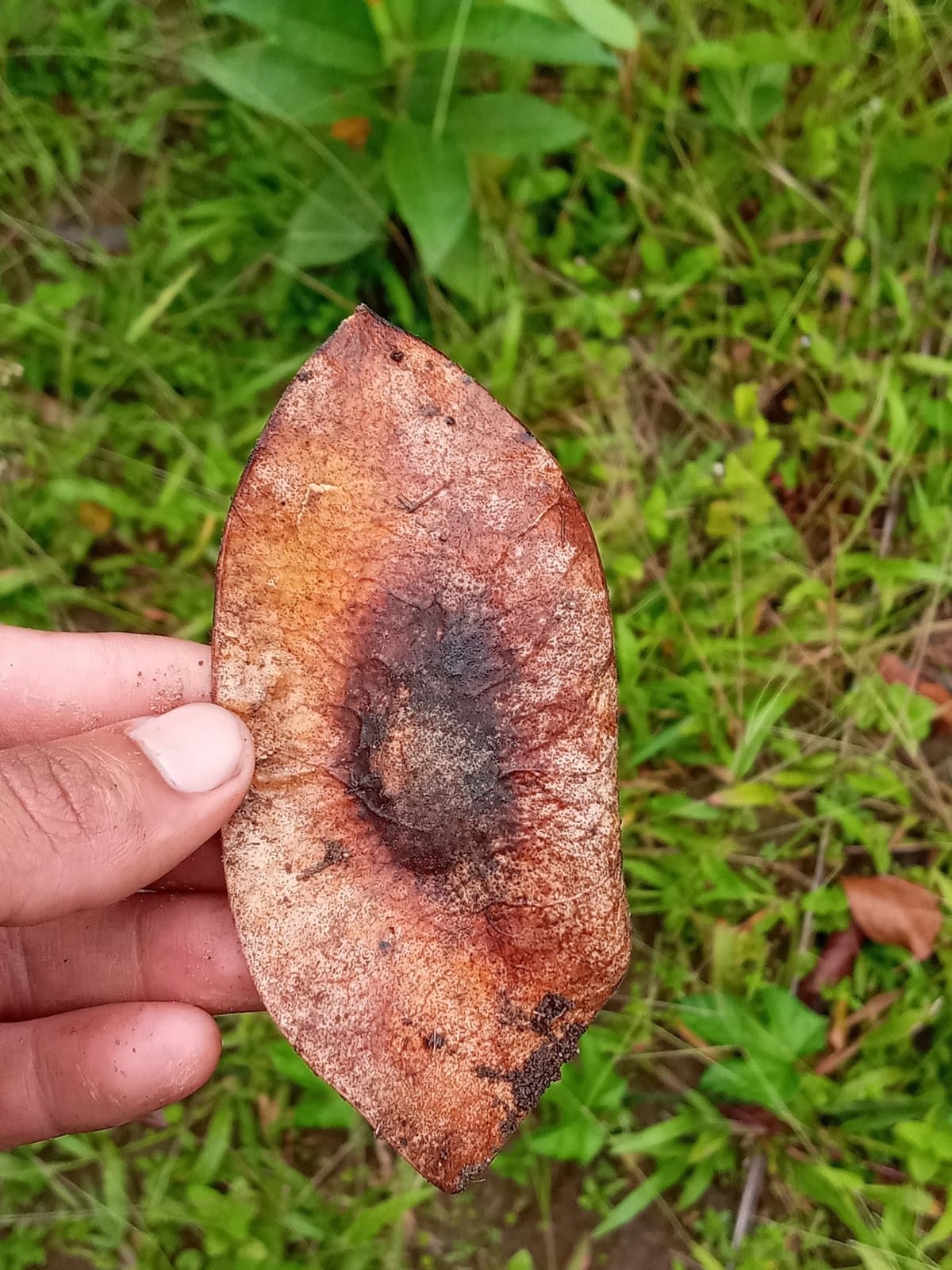
The fruit is a samara — a dry, winged, single-seeded structure typical of elms — oblong to obovate, 1.5-2.5 cm long, with a papery wing surrounding the central seed cavity. The samara is pubescent (hairy) when young, becoming smooth and tan to light brown at maturity. Seeds ripen quickly after flowering (February-April) and are dispersed by wind. Seed viability is short — seeds must germinate within a few weeks of dispersal.
Geographic Distribution
Range in Costa Rica
The Tirrá is distributed across Costa Rica's highland forests:
- Talamanca Range: Core populations in the Cerro de la Muerte-Chirripó corridor (1,500-2,500 m)
- Zona de los Santos: Historically abundant in Tarrazú, Dota, and León Cortés (1,200-1,800 m)
- Central Valley slopes: Premontane forests of the Cordillera Central (800-1,500 m)
- Monteverde-Tilarán corridor: Cloud forests of the continental divide
- Los Quetzales National Park: Well-protected populations in pristine cloud forest
- Cerro Turrubares / Zona Protectora: Scattered individuals in Pacific slope highlands
Broader Distribution
Ulmus mexicana ranges from southern Mexico (Oaxaca, Chiapas, Veracruz) through Guatemala, Honduras, El Salvador, and Nicaragua to Costa Rica and Panama. It is most abundant and reaches its greatest size in the cloud forests of Costa Rica and western Panama. Throughout its range, it is associated with montane and cloud forest habitats between 800 and 2,500 m elevation.
Habitat and Ecology
Ecological Role
The Tirrá is a foundational species in Central American cloud forests:
- Canopy dominant: One of the tallest broadleaf trees in highland forests, creating upper canopy structure
- Epiphyte substrate: Massive trunks and branches support extraordinary loads of orchids, bromeliads, ferns, mosses, and lichens
- Microhabitat provider: Bark crevices, branch junctions, and buttress cavities shelter insects, frogs, lizards, and small mammals
- Nutrient cycling: Large leaf fall contributes to the thick organic layer of cloud forest soils
- Wind protection: Large crowns reduce wind speeds within the forest, maintaining the humid microclimate essential for epiphytes
- Biogeographic link: Represents the tropical extension of the temperate elm lineage, connecting North American and Central American forest histories
Wildlife Associations
Uses and Applications
Timber
The wood of U. mexicana is one of the most prized hardwoods in Central America:
- Dense, fine-grained, and durable — specific gravity 0.55-0.65
- Yellowish to golden-brown color with attractive figure and grain
- Works well with hand and machine tools; takes an excellent finish
- Resistant to splitting; excellent for joinery and interlocking joints
- Traditionally used for: furniture, flooring, door and window frames, tool handles, cart wheels, and structural beams
- The interlocking grain makes it resistant to splitting — historically valued for making wheels and curved components
Agroforestry
The Tirrá is increasingly recognized for agroforestry applications:
- Coffee shade: Provides filtered canopy shade for high-altitude coffee plantations
- Soil improvement: Deep roots access nutrients from lower soil horizons, leaf fall enriches topsoil
- Microclimate regulation: Reduces temperature extremes and wind in highland agricultural areas
- Timber diversification: Long-rotation timber product within coffee or mixed farming systems
Reforestation
- Priority species for cloud forest restoration in deforested highlands
- Planted in watershed protection zones throughout the Central Valley
- Used in biological corridors connecting isolated cloud forest fragments
- Included in carbon sequestration programs due to large biomass accumulation
Traditional Uses
- Construction: Heavy beams and structural posts in traditional highland houses
- Agriculture: Tool handles (hoes, machetes) due to strong, flexible wood
- Medicine: Inner bark tea used traditionally for minor digestive complaints
- Fencing: Wood resists rot in contact with soil; used for fence posts
Cultural and Historical Significance
The Tirrá is deeply woven into the identity of highland Costa Rica. The word "tirrá" comes from the Huetar indigenous language and has been preserved as both a tree name and a place name — several communities, rivers, and geographic features in the Central Valley and Talamanca carry the name "Tirrá" or "Tirrases," reflecting the historical abundance of this tree in the landscape.
In the Zona de los Santos, where coffee farming has shaped the landscape for over a century, old Tirrá trees were traditionally left as shade trees in coffee plantations — their massive trunks and spreading crowns providing filtered light ideal for coffee cultivation. Many of these ancient trees have been lost to logging, but some remain as living monuments in the landscape, easily recognized by their enormous stature above the coffee fields.
The selective logging of Tirrá for its valuable timber accelerated dramatically in the mid-20th century. Itinerant loggers ("madereros") targeted the largest individuals in accessible cloud forests, leaving younger trees and inaccessible populations. This history of exploitation drives much of the current conservation concern, and the tree has become a symbol of sustainable forest management in Costa Rican highlands.
Indigenous Bribri and Cabécar peoples in the Talamanca mountains recognize the Tirrá as one of the great forest trees, associated with strength and permanence. Its wood was traditionally used for house posts and agricultural implements.
Conservation Status
Ulmus mexicana is classified as Vulnerable (VU) due to ongoing population declines from selective logging and habitat loss. While the species is not in immediate danger of extinction thanks to populations in protected areas, continued exploitation of individuals outside reserves threatens the genetic diversity and ecological function of remaining populations. Active reforestation and legal protection are critical for long-term survival.
Threats
- Selective logging: Targeted removal of the largest, most valuable individuals ("high-grading")
- Habitat conversion: Cloud forest clearing for agriculture, particularly in lower montane zones
- Dutch Elm Disease risk: The disease (Ophiostoma spp.) has not yet reached Central America but poses a severe potential threat
- Climate change: Cloud base elevation rising, potentially reducing suitable habitat
- Land use change: Expansion of agriculture and urbanization into highland forests
- Slow recovery: Long generation time means logged populations recover slowly
Conservation Actions
- Protected within Los Quetzales National Park, Chirripó National Park, and multiple biological reserves
- Included in CITES Appendix II in some countries (timber trade monitored)
- Reforestation programs at CATIE and other institutions grow seedlings for restoration
- Community forestry projects in the Zona de los Santos promote sustainable management
- Legal restrictions on logging in Costa Rica under Forestry Law (Ley Forestal 7575)
- Research into propagation techniques to support restoration efforts
Growing the Tirrá
Site Selection
The Tirrá requires highland conditions to thrive:
- Cool, moist climate — temperatures 12-24°C, rainfall 2000+ mm/year
- Elevation — 800-2,500 m; best results at 1,200-2,000 m
- Deep, fertile soils — volcanic Andisols or rich loam with good organic matter
- Good drainage — tolerates moist soils but not waterlogging
- Partial shade for seedlings — establish under existing canopy or nurse trees
Ideal for: highland reforestation, coffee shade systems, large properties above 1,000 m elevation, watershed protection, biological corridor plantings.
Propagation
From Seed: Collect samaras when they turn tan/brown (February-April). Sow immediately — seed viability drops rapidly within 2-3 months. Sow shallowly (1-2 cm) in moist, well-drained seedbed in partial shade. Germination occurs within 2-4 weeks if seeds are fresh. Seedlings grow moderately fast (30-50 cm first year). Transplant when 30-50 cm tall.
From Cuttings: Semi-hardwood cuttings from young trees can root with hormone treatment, but success rates are moderate (40-60%). This method is useful for propagating specific genotypes for reforestation.
Planting and Care
- Plant at the onset of the rainy season (May-June) for best establishment
- Space 12-20 m apart for timber production; 8-10 m for coffee shade
- Provide shade for young seedlings during the first 1-2 years
- Maintain mulch around seedlings to retain moisture and suppress competing vegetation
- Protect from cattle browse with tree guards during establishment
- Formative pruning: Remove competing leaders in first 5-10 years for straight trunk
- Apply organic fertilizer at planting; established trees rarely need fertilization in highland soils
- Monitor for elm bark beetles and report unusual die-back patterns
- Allow 15+ meters clearance from structures for mature specimens
Where to See the Tirrá
In Costa Rica
- Los Quetzales National Park (Cerro de la Muerte): Large specimens in pristine cloud forest along the main trails — one of the best locations
- Savegre Valley (San Gerardo de Dota): Old-growth Tirrá trees along the river valley
- Tapantí-Macizo de la Muerte National Park (Cartago): Well-preserved cloud forest with impressive specimens
- Cerro Chirripó foothills: Premontane and lower montane forests on approach trails
- CATIE (Turrialba): Planted specimens in the arboretum and research plantations
- Monteverde area: Scattered large individuals in the continental divide forests
- Zona de los Santos: Look for old shade trees in coffee plantations around Tarrazú and Dota
Best Viewing Tips
The Tirrá is most easily recognized in cloud forest by its towering size — it is often the tallest tree in the forest, visibly overtopping surrounding canopy. Look for the distinctive furrowed bark, buttressed base, and the classic elm leaf shape with its asymmetric base. During the early dry season (January-March), the tree may be leafless or show the reddish flush of flowers before new leaves emerge. In coffee-growing areas, ask local farmers about "palos de tirrá" — they often know the locations of remaining old trees.
Advanced Care Guidance
Site Design and Planting
- Plant in humid premontane and montane transition zones with deep soils and reliable drainage.
- Maintain 8-10 m spacing in restoration and timber-oriented systems to support crown development.
- Prioritize mixed stands rather than isolated exposure in wind-prone ridges.
Watering Program
- Establishment (0-12 months): Weekly deep irrigation during dry windows.
- Juvenile phase (1-3 years): Water every 10-14 days in severe dry-season periods.
- Mature trees: Usually self-sustaining in humid climates, but monitor saplings for moisture stress.
Fertilization Schedule
- Incorporate compost at planting plus a balanced formula (15-15-15) twice per rainy season.
- Add slow-release organic matter annually to maintain soil structure in sloped sites.
- In acidic high-rainfall soils, monitor calcium and magnesium levels and correct when needed.
Pruning and Structure
- Conduct formative pruning to maintain straight bole and stable branch distribution.
- Remove codominant leaders early to reduce storm breakage risk.
- Limit pruning intensity in wet months to reduce fungal entry points.
Pest and Disease Management
- Monitor bark borers, leaf spots, and canker-like lesions after prolonged humidity.
- Keep understory manageable for airflow and inspection access.
- Remove and destroy infected branch material away from the planting area.
Companion Planting
- Recommended companions: Cedro Amargo, Guaba species, native understory shrubs, and erosion-control grasses.
- Agroforestry role: Long-cycle canopy support in mixed watershed restoration.
- Avoid nearby: Highly invasive vines that rapidly overtop juvenile crowns.
Seasonal Care Calendar (Costa Rican Conditions)
- Dry season (Dec-Apr): Seedling irrigation and structural inspections.
- Early rains (May-Jul): Main planting and fertilization window.
- Peak rains (Aug-Oct): Drainage and slope-stability monitoring; disease scouting.
- Transition (Nov): Selective pruning and soil-cover reinforcement.
Growth Timeline and Timber Notes
- Moderate early growth with improved performance under mixed-species nurse canopy.
- Structural form improves significantly by years 4-6 with proper formative pruning.
- Manage as a long-term timber and ecological species rather than short-cycle production tree.
Similar Species and Common Confusions
Key Distinction
The combination of (1) massive size (often the tallest tree in the forest), (2) deeply furrowed bark with pronounced buttresses, (3) leaves with asymmetric bases and serrate margins, and (4) winged samaras is unique in Costa Rican cloud forests. No other tree in this habitat combines these features. The elm-family leaf venation pattern (parallel secondary veins curving toward the tip) is also distinctive.
Field Identification Checklist
- Location and elevation: Cloud forest or premontane wet forest, 800-2,500 m
- Stature: One of the tallest trees in the forest — often visibly overtops surrounding canopy (30-45 m)
- Trunk: Massive, straight, cylindrical, 60-150 cm DBH; prominent buttresses at base
- Bark: Thick, deeply furrowed and fissured, grayish-brown; forms irregular flat ridges
- Leaf base: Asymmetric — one side of the leaf base extends further down the petiole than the other (diagnostic elm feature)
- Leaf margin: Serrate (saw-toothed) — feel with fingertip for the tiny teeth
- Leaf venation: Parallel secondary veins curving forward toward the leaf tip
- Deciduousness: May be leafless or flushing new growth during dry season (Jan-Apr)
- Fruit (if present): Winged samaras, 1.5-2.5 cm, pubescent when young, tan when ripe (Feb-Apr)
- Epiphytes: Trunk and branches laden with orchids, bromeliads, ferns, and mosses
Timber Assessment and Harvest Governance
Wood Properties Summary
Legal Framework
- Forestry Law 7575 (Costa Rica): Tirrá is subject to harvest restrictions in natural forests; logging permits required and monitored by SINAC
- CITES: Some regional listings monitor timber trade
- Protected areas: Harvest prohibited within national parks, biological reserves, and protected zones
- Plantation timber: Trees from registered reforestation plantations may be harvested with appropriate permits and traceability documentation
- Chain of custody: All harvested Tirrá timber should be traceable from stump to final product
Seed Supply and Nursery Protocol
Seed Collection
- Timing: Collect samaras when they turn tan/brown (February-April); seeds are short-lived
- Urgency: Viability drops sharply within 2-3 months — process and sow immediately after collection
- Source diversity: Collect from trees at multiple elevations (1,000, 1,500, 2,000 m) and mountain ranges to capture ecotypic variation
- Method: Spread tarps beneath fruiting trees; samaras fall readily when ripe
Nursery Production
Quality Control
- Germination rate target: ≥60% from fresh seed sown within 1 week of collection
- Discard seedlings with excessive branching at ground level (select for single leader)
- Maintain provenance records: collection location, elevation, parent tree DBH
- Cull any seedlings showing signs of elm bark beetle damage or fungal canker
Research Priorities in Costa Rica
- Dutch Elm Disease preparedness: Develop surveillance protocols and contingency plans for the potential arrival of Ophiostoma pathogens in Central America
- Population genetics: Characterize genetic structure of remaining populations to guide reforestation seed sourcing
- Growth modeling: Develop site-specific yield tables for Tirrá timber production in highland agroforestry systems
- Climate vulnerability: Model the impact of rising cloud base altitude and changing precipitation on suitable habitat area
- Epiphyte community ecology: Quantify the biodiversity supported by individual large Tirrá trees (orchids, bromeliads, ferns)
- Carbon storage: Measure above- and below-ground carbon stocks in old-growth Tirrá specimens for national carbon accounting
- Propagation improvement: Test tissue culture and vegetative propagation methods to enable clonal replication of superior timber genotypes
Rapid Assessment Template
External Resources
References
- Hammel, B. E., Grayum, M. H., Herrera, C., & Zamora, N. (2010). Manual de Plantas de Costa Rica, Vol. V. Missouri Botanical Garden.
- Pennington, T. D., & Sarukhán, J. (2005). Árboles Tropicales de México. Third edition. UNAM/FCE, Mexico City.
- Wiegrefe, S. J., Sytsma, K. J., & Guries, R. P. (1994). Phylogeny of elms (Ulmus, Ulmaceae): Molecular evidence for a sectional classification. Systematic Botany, 19(4), 590-612.
- Holdridge, L. R., & Poveda, L. J. (1975). Árboles de Costa Rica, Vol. I. Centro Científico Tropical, San José.
- Jiménez, Q., & Poveda, L. J. (1996). Arboles maderables nativos de Costa Rica con potencial de reforestación. Investigación Agraria: Sistemas y Recursos Forestales.
- Kappelle, M. (2006). Ecology and Conservation of Neotropical Montane Oak Forests. Springer. (Includes cloud forest canopy tree community ecology with U. mexicana.)
Safety Information Disclaimer
Safety information is provided for educational purposes only. Individual reactions may vary significantly based on age, health status, amount of exposure, and individual sensitivity. Always supervise children around plants. Consult a medical professional or certified arborist for specific concerns. The Costa Rica Tree Atlas is not liable for injuries or damages resulting from interaction with trees described in this guide.
• Always supervise children around plants
• Consult medical professional if unsure
• Seek immediate medical attention if poisoning occurs
Information compiled from authoritative toxicology sources, scientific literature, and medical case reports.
Help improve this page
Know something about this tree? Share local knowledge, suggest a correction, or submit a photo to improve this guide for everyone.