Ojoche
Brosimum alicastrum
Quick facts
Native Region
Mexico to Brazil and Caribbean
Max Height
30-45 meters (100-150 feet)
Family
Moraceae
Conservation
LC — Least Concern
Uses
Safety Information
Toxicity Details
Completely safe and non-toxic. Seeds are edible and nutritious—historically a staple food for Maya civilization. Leaves and other parts also non-toxic. One of the safest trees in Costa Rican forests.
Skin Contact Risks
No skin irritation. Safe to handle all parts of the tree. Latex is mild and non-irritating unlike some other Moraceae family members.
Allergenic Properties
Very low allergen risk. Not known to cause significant allergic reactions. Pollen is not a major allergen.
Wildlife & Pet Risks
Completely safe for all wildlife. In fact, seeds and leaves are important food source for numerous animals including monkeys, peccaries, deer, birds, and livestock. One of the most valuable wildlife food trees in Central American forests.
Season
Flowering
Jun-Jul
Fruiting
Sep-Nov
How to identify
Ojoche (Breadnut / Maya Nut)
The Ojoche (Brosimum alicastrum), known as the Breadnut or Maya Nut, is one of the most important food trees in Mesoamerican history. Its nutritious seeds fed millions of Maya people for over 3,000 years, and its presence around ancient ruins has helped archaeologists locate lost cities in the jungle. Now rediscovered as a superfood, the Ojoche offers hope for food security in a changing climate—drought-resistant, productive, and highly nutritious.
Quick Reference
iNaturalist Observations
Community-powered species data
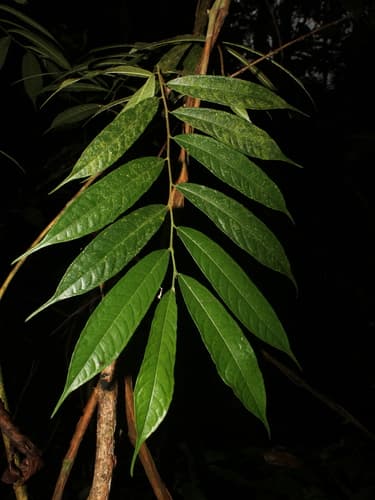
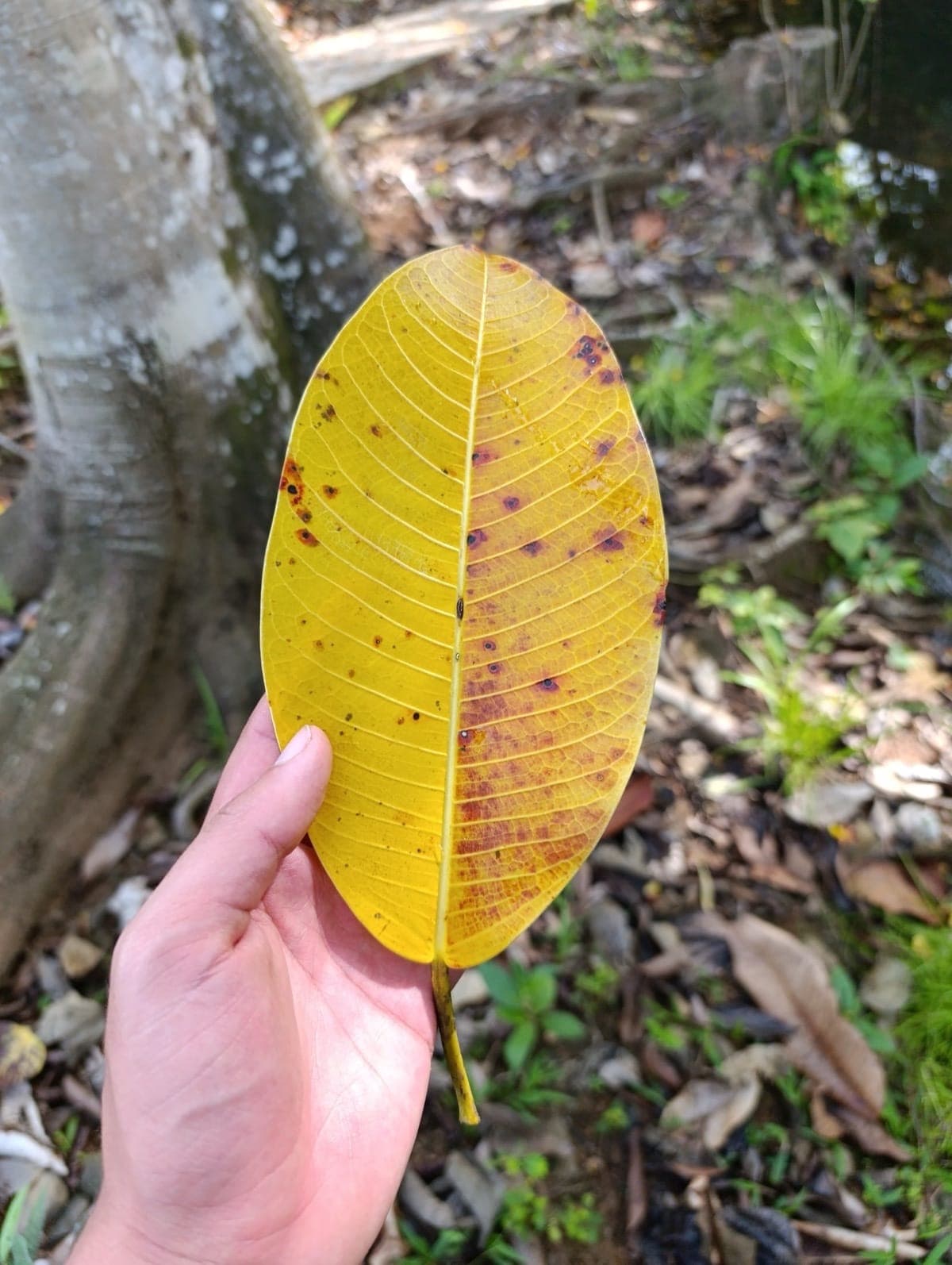
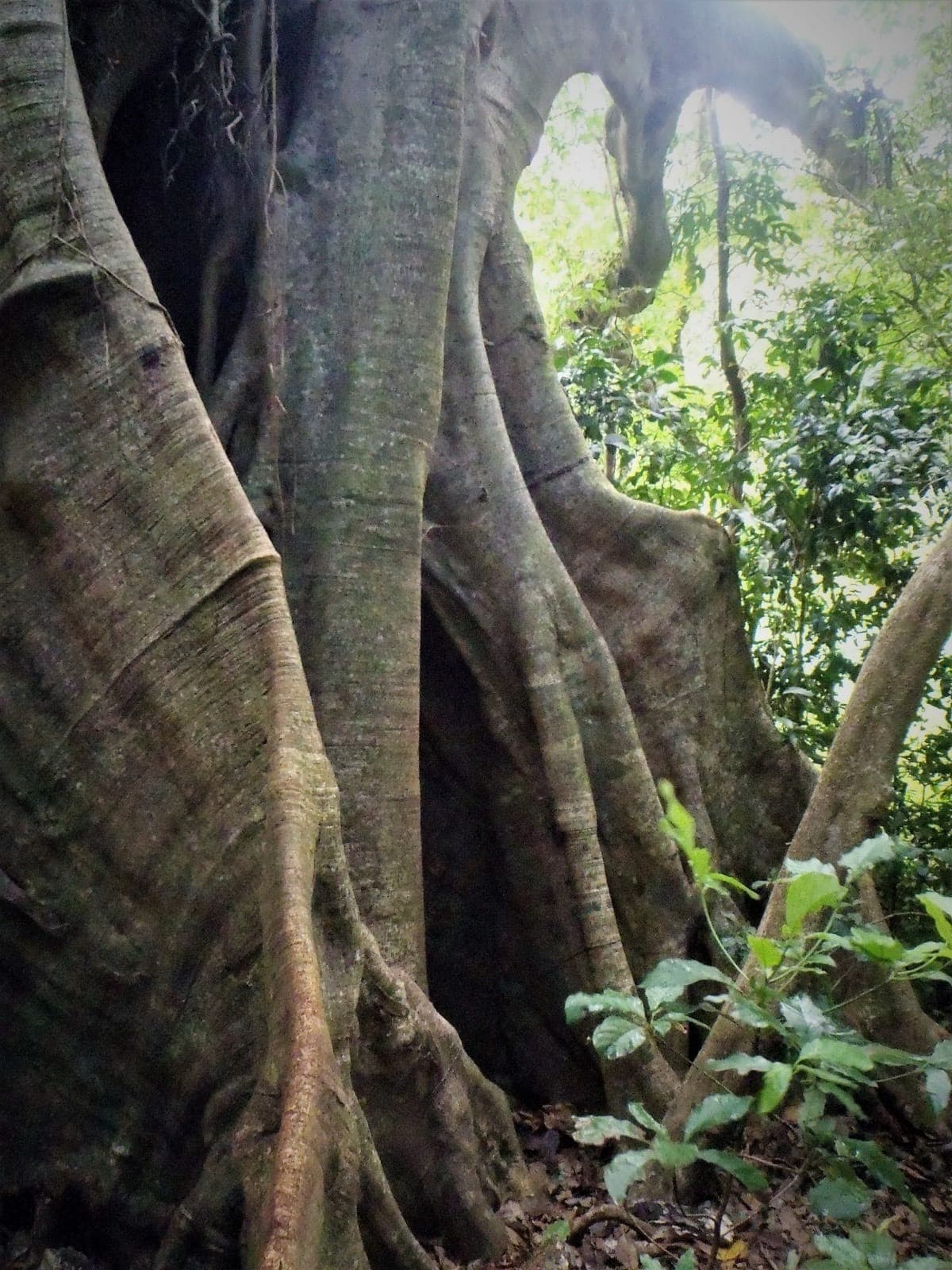
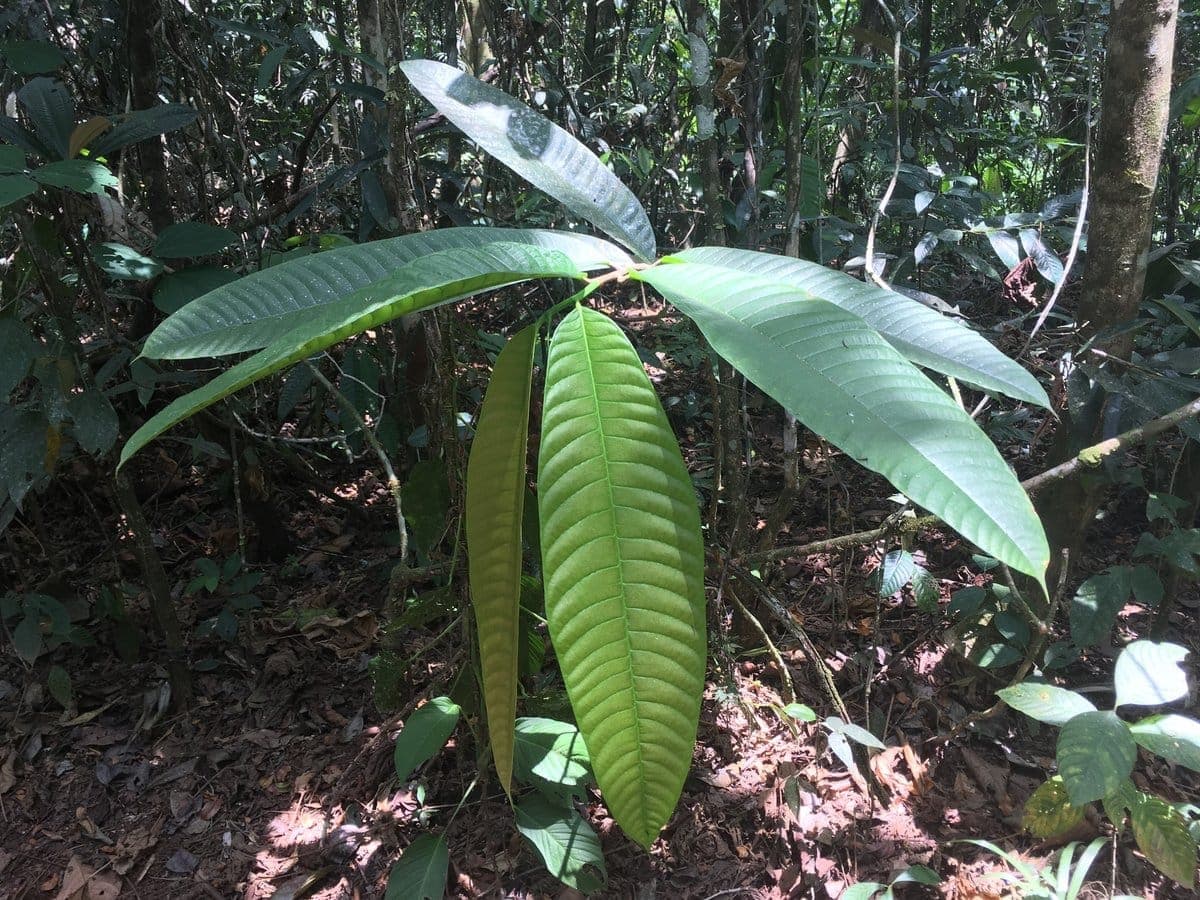
📸 Photo Gallery
Whole tree
📷 (c) Leonardo Álvarez-Alcázar, some rights reserved (CC BY-NC)(CC BY-NC)
View source ↗Leaves
📷 (c) Leonardo Álvarez-Alcázar, some rights reserved (CC BY-NC)(CC BY-NC)
View source ↗Fruit
📷 (c) tanhar, some rights reserved (CC BY-NC)(CC BY-NC)
View source ↗Whole tree
📷 (c) Maynor Carranza, some rights reserved (CC BY-NC)(CC BY-NC)
View source ↗Leaves
📷 (c) ariel_delgado, some rights reserved (CC BY-NC)(CC BY-NC)
View source ↗Photos sourced from iNaturalist's community science database. Browse all observations →↗
Taxonomy & Classification
The Ojoche belongs to the Moraceae family, making it a relative of figs, mulberries, and breadfruit. Like its relatives, it produces abundant latex when cut. The genus name Brosimum comes from Greek meaning "edible," while alicastrum references its similarity to water chestnut flour.
Common Names
Physical Description
Overall Form
The Ojoche is a majestic rainforest tree that often emerges above the canopy. It has a straight, cylindrical trunk, dense rounded crown, and produces white latex when cut. The tree is evergreen or briefly deciduous and produces massive quantities of nutritious seeds.
Distinctive Features
Trunk & Bark
- Trunk: Straight, cylindrical
- Bark: Gray-brown, smooth to slightly rough
- Buttresses: Small or absent
- Latex: Abundant white latex when cut
- Branching: High, forming rounded crown
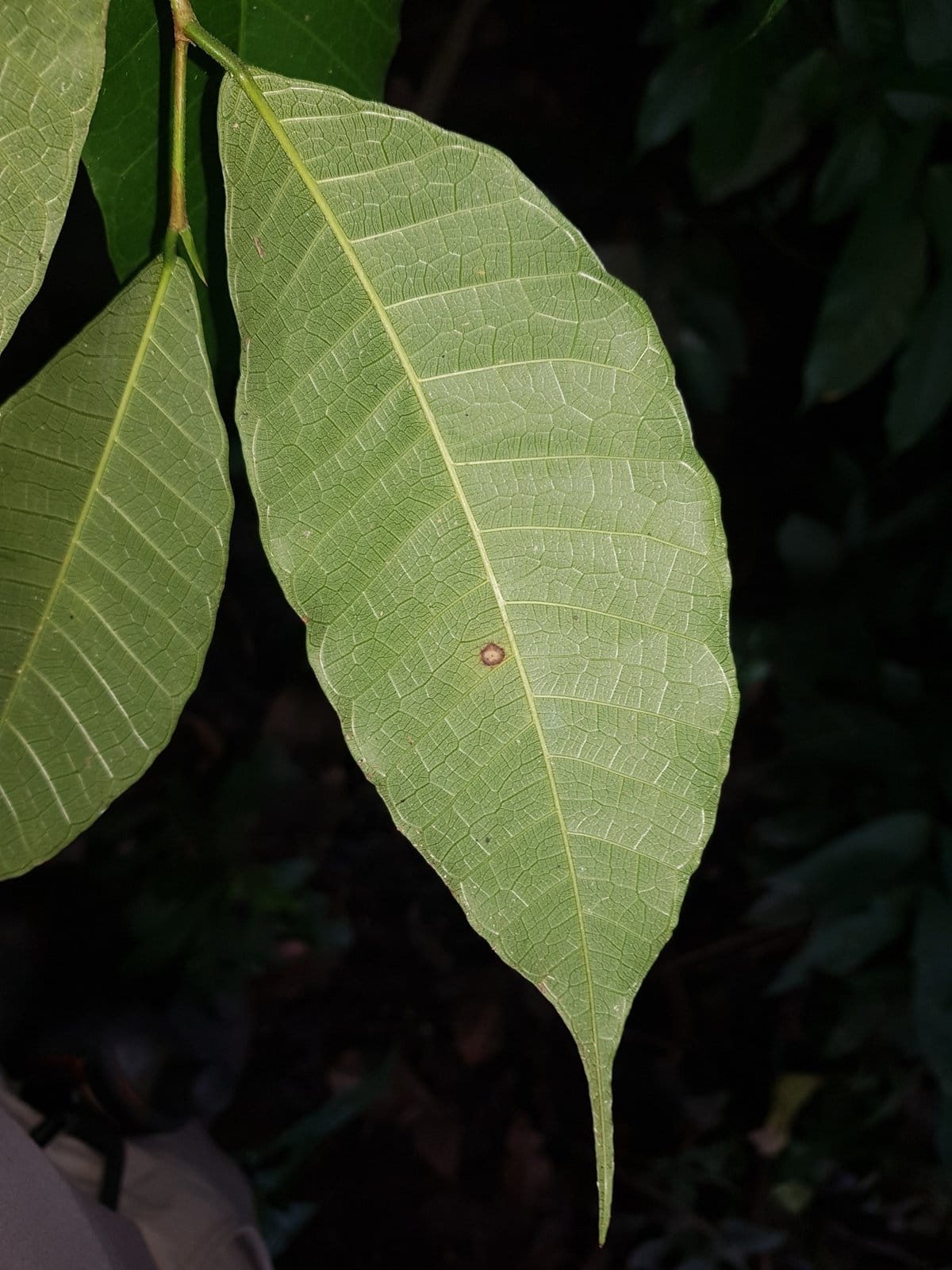
Leaves
- Type: Simple, alternate
- Shape: Elliptic to oblong
- Size: 5-15 cm long
- Margin: Entire
- Texture: Leathery, glossy above
- Stipules: Present, deciduous
Flowers
- Type: Tiny, in spherical heads
- Color: Greenish-yellow
- Size: Flower heads 8-15 mm
- Timing: Dry season
- Arrangement: Males and females separate
Fruits & Seeds
- Fruit Type: Round drupe
- Size: 2-3 cm diameter
- Color: Yellow-orange when ripe
- Flesh: Sweet, edible, thin layer
- Seed: Single, large, highly nutritious
- Production: Prolific, up to 400 kg/tree
What makes Ojoche seeds remarkable: - Nutritional value: High protein (13%), calcium, potassium, fiber - No gluten: Suitable for celiac diet - Drought resistant: Produces during dry years when corn fails - Storage: Seeds keep well for months - Versatility: Flour, coffee substitute, animal feed, fresh eating One mature tree can produce enough seeds to feed a family for months.
Distribution & Habitat
Native Range
Geographic Distribution
Distribution in Costa Rica
The Ojoche is found in both dry and wet forests of Costa Rica, though it is most abundant in moist to wet lowland forests on both the Pacific and Caribbean slopes.
Preferred Habitat
Ecological Significance
Forest Ecosystem Role
The Ojoche plays a crucial role in tropical forest ecosystems: - Wildlife food source: Seeds and fruit eaten by 60+ species - Canopy structure: Emergent tree provides forest architecture - Year-round resource: Fruiting during lean periods - Forest regeneration: Shade-tolerant seedlings regenerate forest - Nutrient cycling: Deep roots bring nutrients from depth Where Ojoches thrive, forests are healthy and wildlife abundant.
Wildlife Interactions
Mammals
- Spider Monkeys: Major consumers
- Howler Monkeys: Important dispersers
- White-faced Capuchins: Frequent visitors
- Tapirs: Eat fallen fruit and seeds
- Peccaries: Ground foragers
- Agoutis: Cache and disperse seeds
- Bats: Fruit and seed consumers
Birds
- Great Curassows: Major seed predators
- Crested Guans: Important consumers
- Parrots: Seed predators/dispersers
- Toucans: Fruit consumers
- Many songbirds: Fruit pulp consumers
Other
- Leaf-cutter Ants: Sometimes harvest leaves
- Various beetles: Seed predators
- Pollinators: Small insects, wind
Archaeological Significance
Finding Lost Maya Cities
Archaeologists have discovered that the presence of Ojoche trees is one of the most reliable indicators of ancient Maya settlements. The Maya planted these trees extensively around their cities—so reliably that satellite imagery showing Ojoche groves has led to the discovery of previously unknown Maya sites buried beneath the jungle canopy. The trees persist for centuries after cities are abandoned, serving as living markers of lost civilizations.
Cultural & Economic Importance
Maya Civilization Food Source
Nutritional Profile
Modern Uses
The Ojoche is increasingly recognized as a climate adaptation crop: - Drought resilient: Produces seeds even in dry years - Perennial: No annual replanting needed - Shade providing: Works in agroforestry systems
- Food security: Backup when annual crops fail - Carbon storage: Long-lived trees sequester carbon Organizations like the Maya Nut Institute work to restore this ancient food tradition for modern food security challenges.
Conservation Status
Current Assessment
Conservation Status
Conservation Opportunities
Challenges
- Forest conversion continuing
- Knowledge of food use fading
- Underutilized potential
- Some genetic erosion concerns
- Climate change effects uncertain
Opportunities
- Growing "superfood" interest
- Agroforestry integration
- Cultural revitalization movements
- Carbon credit potential
- Rural livelihood development
- Climate adaptation planting
Cultivation & Propagation
Growing Ojoche
Propagation
From Seeds
- Collect ripe yellow-orange fruits
- Remove flesh (eat it—it's delicious!)
- Seeds viable for only 2-4 weeks
- Plant fresh, 2-3 cm deep
- Germination in 2-4 weeks
- Shade seedlings for first year
Growth Pattern
- Height: 1-1.5 m per year when young
- First fruit: 4-8 years from seed
- Full production: 15-20 years
- Lifespan: 100-200+ years
Growing Conditions
Harvest & Processing
- Fruits fall when ripe (March-June typically)
- Collect seeds, remove flesh
- Dry seeds for storage or roast immediately
- Grind dried seeds for flour
- Roast for coffee substitute
Identification Guide
How to Identify Ojoche
Where to See Ojoche in Costa Rica
External Resources
Community observations and photos
Conservation and food security work
Underutilized food plants research
Global biodiversity occurrence data and distribution maps
Conservation status and species assessment
References
📚 Scientific References & Further Reading
Peters, C.M. & Pardo-Tejeda, E. (1982). Brosimum alicastrum (Moraceae): uses and potential in Mexico. Economic Botany
Gillespie, A.R., et al. (2004). Ecology and management of Brosimum alicastrum. Journal of Tropical Ecology
Lentz, D.L., et al. (2014). Forest ecology and ancient Maya land use. Ancient Mesoamerica
If you want to taste history, seek out Maya Nut products in Costa Rica's rural markets or specialty stores. The roasted seeds make a nutritious, caffeine-free coffee substitute with a rich, chocolatey flavor. Maya Nut flour can be used in baking. When visiting forested areas during fruiting season (March-June), listen for the sound of falling fruits and look beneath large forest trees— you might find fresh Ojoche to sample. The sweet orange flesh around the seed is delicious raw, while the seed itself should be roasted or processed.
Safety Information Disclaimer
Safety information is provided for educational purposes only. Individual reactions may vary significantly based on age, health status, amount of exposure, and individual sensitivity. Always supervise children around plants. Consult a medical professional or certified arborist for specific concerns. The Costa Rica Tree Atlas is not liable for injuries or damages resulting from interaction with trees described in this guide.
• Always supervise children around plants
• Consult medical professional if unsure
• Seek immediate medical attention if poisoning occurs
Information compiled from authoritative toxicology sources, scientific literature, and medical case reports.
Help improve this page
Know something about this tree? Share local knowledge, suggest a correction, or submit a photo to improve this guide for everyone.