Níspero
Manilkara zapota
Quick facts
Native Region
Mexico and Central America
Max Height
25-40 meters
Family
Sapotaceae
Conservation
LC — Least Concern
Uses
Safety Information
Toxicity Details
Low toxicity. Ripe fruit flesh is completely safe and delicious to eat. However, SEEDS contain saponins and should not be eaten—they can cause digestive upset if chewed and swallowed. Unripe fruit contains more tannins and latex, making it unpalatable and potentially causing mouth irritation. Always wait until fruit is fully ripe and soft. The chicle latex is non-toxic and was traditionally chewed as natural chewing gum.
Skin Contact Risks
Tree produces milky latex (chicle) when bark is cut. Generally non-irritating—it was harvested extensively for chewing gum. Some sensitive individuals may experience mild skin irritation from latex. Ripe fruit flesh causes no issues.
Allergenic Properties
Very low allergen risk. Not known to cause significant allergic reactions. Latex rarely causes problems.
Wildlife & Pet Risks
Safe for wildlife and pets. Fruits are eaten by birds, bats, and mammals. Seeds may cause mild digestive upset if pets eat them in quantity, but rarely a serious problem.
Season
Flowering
Sep-Nov
Fruiting
Feb-Apr
How to identify
Níspero (Sapodilla - The Chewing Gum Tree)
The Níspero or Sapodilla (Manilkara zapota) is one of the most historically significant trees of the Americas—the source of chicle, the original chewing gum. For over a century, the milky latex from this tree's bark was the base for all chewing gum worldwide. But beyond its industrial fame, this beautiful tree produces one of the most delicious tropical fruits: a brown, grainy-textured sphere with flesh like brown sugar and caramel. From ancient Maya civilization to modern orchards, the Níspero continues to sweeten human life in multiple ways.
Quick Reference
iNaturalist Observations
Community-powered species data
📸 Photo Gallery
Whole tree
📷 (c) Leonardo Álvarez-Alcázar, some rights reserved (CC BY-NC)(CC BY-NC)
View source ↗Leaves
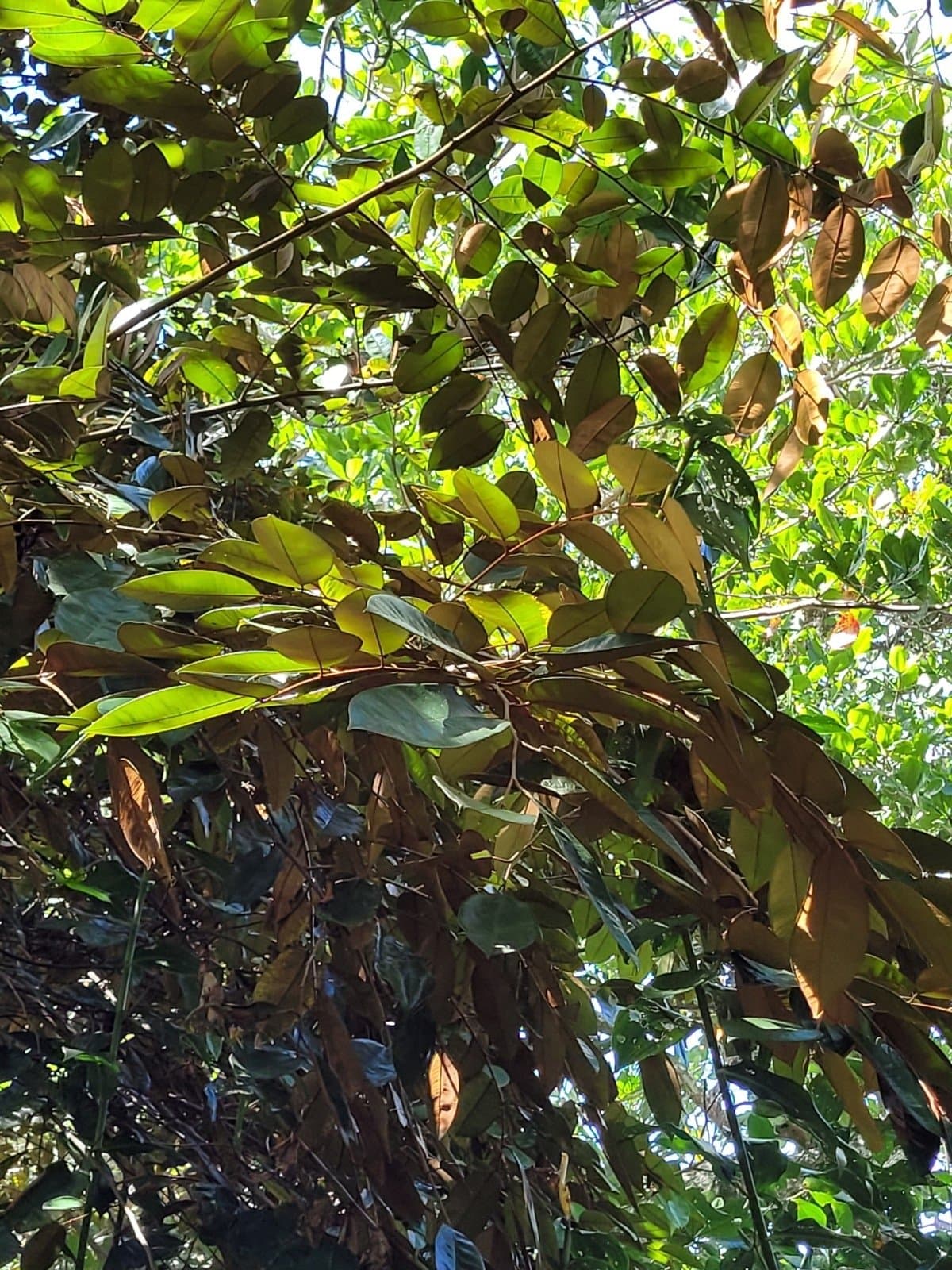
📷 (c) Leonardo Álvarez-Alcázar, some rights reserved (CC BY-NC)(CC BY-NC)
View source ↗Whole tree
📷 (c) ashleybyers13, some rights reserved (CC BY-NC)(CC BY-NC)
View source ↗Leaves
📷 (c) Leonardo Álvarez-Alcázar, some rights reserved (CC BY-NC)(CC BY-NC)
View source ↗Whole tree
📷 (c) Cristhian Arias, some rights reserved (CC BY-NC)(CC BY-NC)
View source ↗Photos sourced from iNaturalist community science database. View all observations →↗
Taxonomy and Classification
- Manilkara: From Manila (Philippines, where cultivated) - zapota: From Nahuatl "tzapotl" (generic word for sweet fruit) - Chicle: From Nahuatl "tzictli" (sticky thing) - Sapodilla: Spanish diminutive of "zapote"
Common Names
Physical Description
Overall Form
The Níspero is a handsome evergreen tree with dense, dark green foliage and a rounded crown. Its bark is deeply fissured and oozes white latex when cut. The tree grows slowly but lives for centuries, with ancient specimens found in Maya archaeological sites. The wood is remarkably hard and durable, making it prized for construction.
Distinctive Features
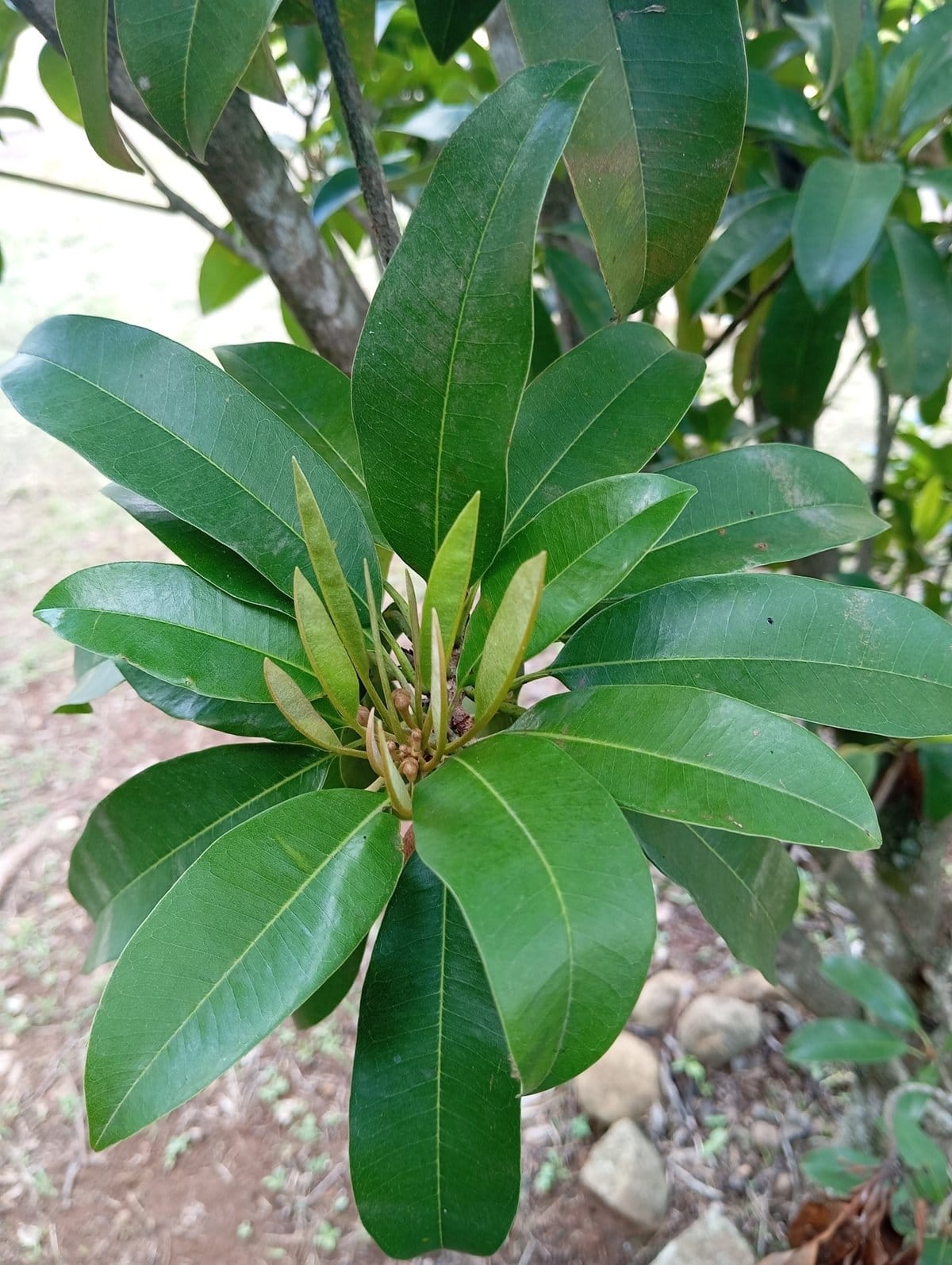
Leaves
- Type: Simple, elliptical
- Size: 7-15 cm long
- Color: Dark glossy green above
- Underside: Lighter green
- Arrangement: Spiraled at branch tips
- Texture: Leathery
Bark
- Color: Dark brown to grayish
- Texture: Deeply fissured
- Latex: White, sticky (chicle)
- Feature: Zigzag slash marks from tapping
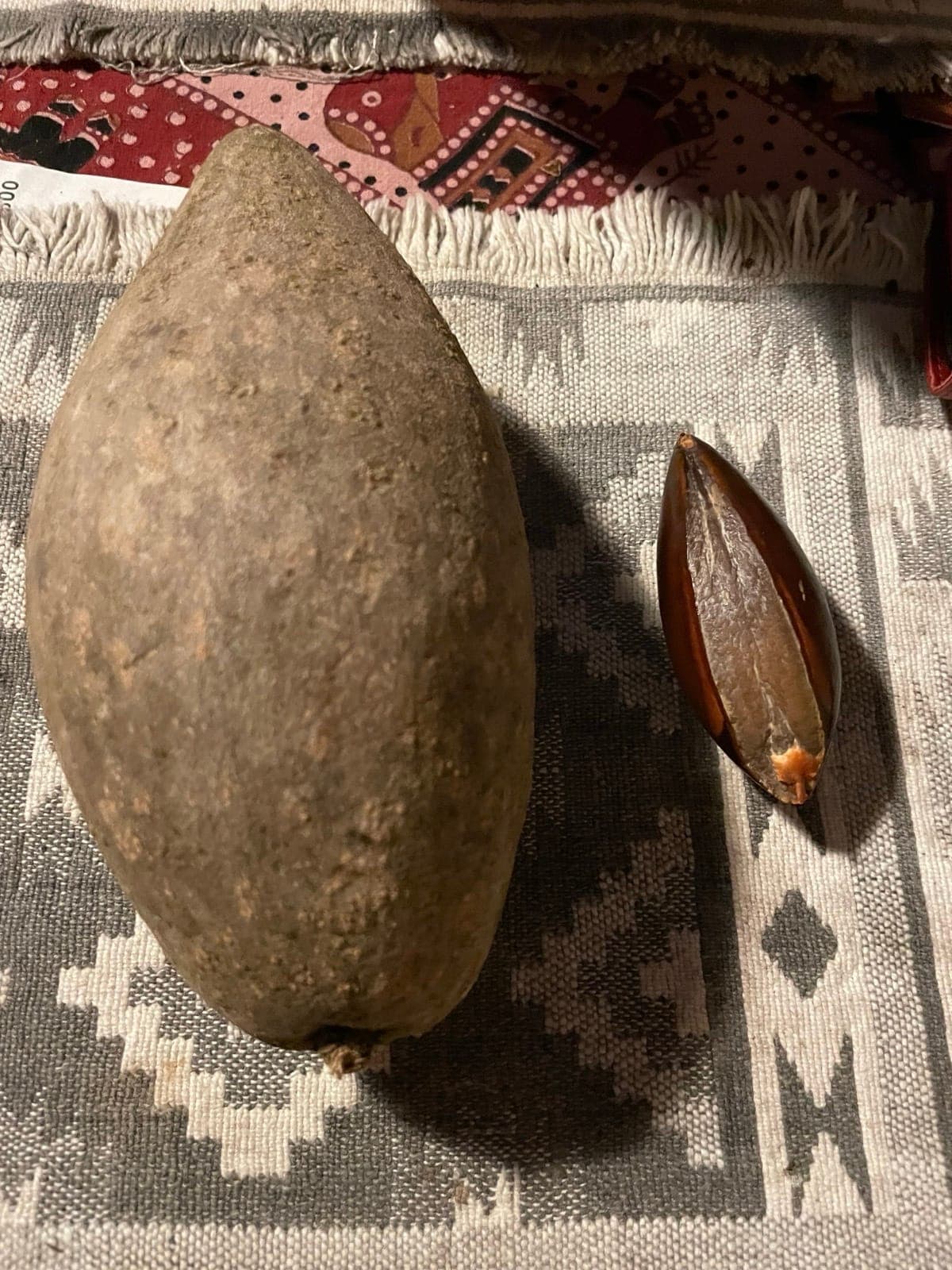
The Delicious Fruit
- Shape: Round to oval
- Size: 5-10 cm diameter
- Skin: Brown, rough when ripe
- Flesh: Brown, grainy, very sweet
- Taste: Like brown sugar/caramel
- Seeds: 3-12, black, shiny
- Season: Year-round (peak dry season)
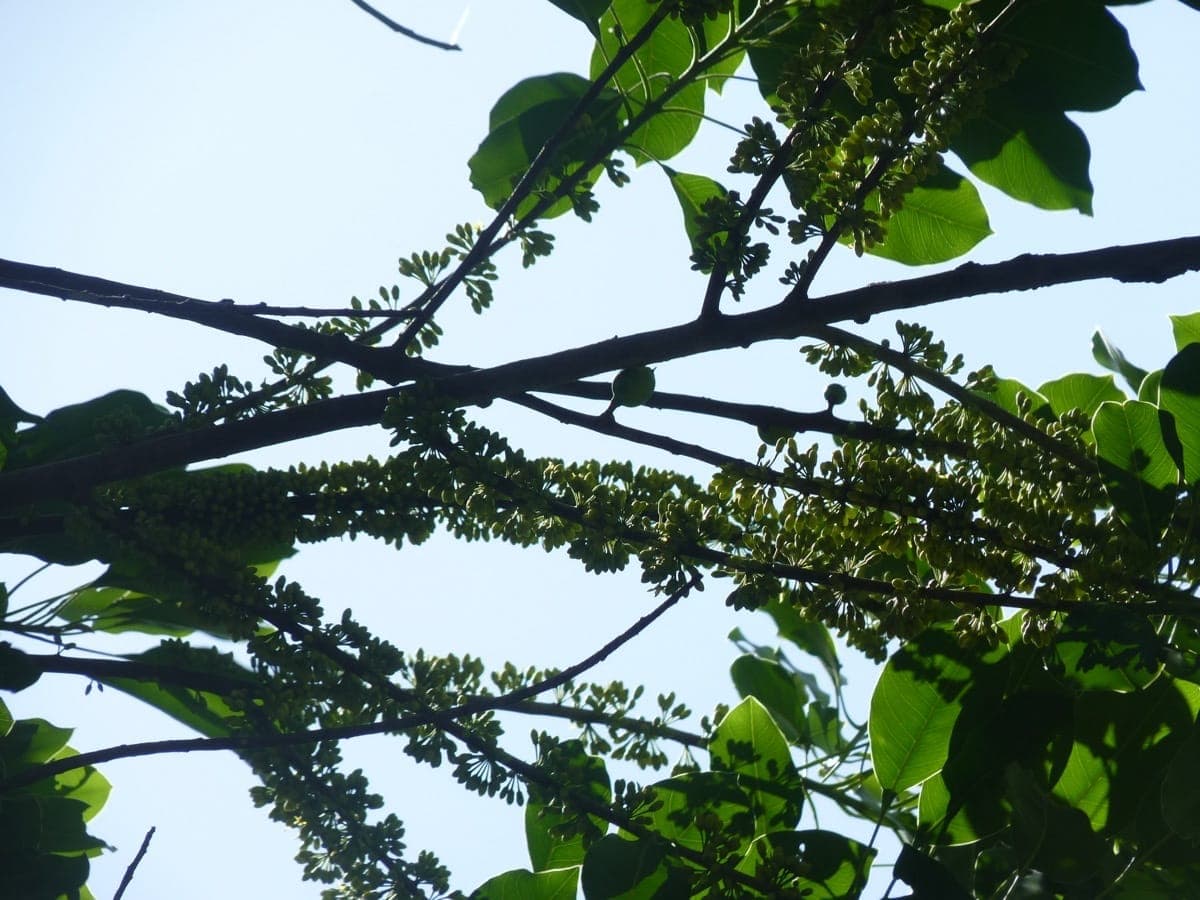
Flowers
- Type: Small, inconspicuous
- Color: White to cream
- Size: About 1 cm
- Position: Leaf axils
- Scent: Faintly sweet
Eating a perfectly ripe Níspero is a revelation: Signs of Ripeness: - Skin easily scratched to show brown (not green) - Gives slightly to gentle pressure
- Some may have small cracks - Should separate easily from stem Eating Tips: - Cut in half, scoop flesh - Avoid seeds (can stick in throat) - Chill for best flavor - Unripe fruit is astringent and unpleasant! The flavor combines brown sugar, pear, and maple syrup—utterly unique!
The Chicle Story
History of Chewing Gum
From Maya to Wrigley's
The history of chicle is a fascinating tale of ancient tradition meeting modern industry: Ancient Origins: - Maya and Aztec peoples chewed chicle for thousands of years - Used to clean teeth and freshen breath - Associated with rituals and medicine The Industrial Age (1860s-1940s): - Mexican General Santa Anna introduced chicle to New York - Thomas Adams created first commercial chicle gum (1871) - William Wrigley made it a global phenomenon - Chicle became Mexico and Guatemala's main forest export The Chiclero Culture: - Specialized workers called "chicleros" tapped trees - Lived in jungle camps during rainy season - Dangerous, skilled work - Vital to rural economies The Decline (1950s onward): - Synthetic alternatives replaced chicle - Most modern gum is petroleum-based - Some artisanal brands reviving natural chicle
Chicle Extraction
Distribution and Habitat
Native Range
Geographic Distribution
Cultivated Range
Níspero has spread far beyond its native range: - Asia: India (major producer), Philippines, Thailand, Vietnam - Americas: Florida, Caribbean, South America - Africa: Grown in tropical regions - Australia: Northern Queensland India is now the world's largest sapodilla producer, though the fruit originated in the Americas!
Distribution in Costa Rica
Habitat Preferences
Ecological Importance
Wildlife Interactions
Fruit Consumers
- Monkeys: Major dispersers
- Bats: Eat soft fallen fruit
- Coatis: Ground foragers
- Pacas/Agoutis: Eat fallen fruit
- Many birds: Parrots, tanagers
- Squirrels: Hoard and eat
Other Interactions
- Bees: Primary flower pollinators
- Cavity nesters: Old trees provide homes
- Epiphytes: Large trees support many
- Understory: Dense shade shapes forest structure
Forest Role
In its native habitat, Níspero plays important roles: Structural Importance: - Emergent canopy tree - Creates microhabitats - Long-lived (centuries) Food Web Contribution: - Fruit available year-round - Critical dry season food - Many animals depend on it Archaeological Significance: Ancient Níspero trees are found at Maya sites—the Maya protected and cultivated them for millennia!
Uses and Products
Sources: Pennington 1990 — Sapotaceae↗, Mathews 2009 — Chicle: The Chewing Gum of the Americas↗, Prieto 2006 — Conservation through Commercialization↗
The Fruit
One of the Sweetest Tropical Fruits
The sapodilla fruit is prized for its unique flavor: Fresh Consumption: - Eat when fully ripe (soft, brown) - Refrigerate for best flavor - Avoid the slippery seeds! Processed Products: - Milkshakes and smoothies - Ice cream and sorbet - Jam and preserves - Dried fruit (India specialty) Nutritional Highlights: - High in dietary fiber - Rich in vitamins A, C - Good source of minerals - Natural energy (high sugar content) Commercial Cultivation: India produces over 1.5 million tonnes annually!
The Timber
Níspero wood was used by the ancient Maya for door lintels: - Extremely durable (lintels survive 1000+ years) - Found at Tikal, Palenque, and other sites - Inscribed with hieroglyphics - Some original lintels still in place! The same qualities that made it valuable to the Maya make it a premium timber today.
Traditional Medicine
The following represents traditional uses only. Consult healthcare professionals for medical advice.
Cultivation
Growing Sapodilla
Identification Guide
How to Identify Níspero
Where to See Níspero in Costa Rica
To try fresh Níspero in Costa Rica: - Markets: Look for brown, slightly soft fruit - Season: Available most of the year, peak dry season - Farms: Ask permission—many families have trees - Test: Scratch skin—brown underneath means ripe Don't eat unripe fruit—it's astringent and gummy!
Cultural Significance
Maya Connection
Tree of the Ancient Maya
The Níspero has deep roots in Maya civilization: Historical Use: - Cultivated for at least 2,000 years - Featured in Maya art and texts - Fruit offered in ceremonies - Wood used for sacred architecture Archaeological Evidence: - Ancient trees at Tikal, Guatemala - Carved wooden lintels survive - Pollen in archaeological contexts - Still cultivated at ancient sites Modern Continuity: Descendants of the Maya continue to cultivate and use Níspero much as their ancestors did—a living link to ancient traditions.
External Resources
Community observations and photos
Detailed species information
Modern organic chicle producer
Global biodiversity occurrence data and distribution maps
Conservation status and species assessment
References
📚 Scientific References & Further Reading
Pennington, T.D. (1990). Sapotaceae. Flora Neotropica Monograph 52. New York Botanical Garden
Mathews, J.P. (2009). Chicle: The Chewing Gum of the Americas. University of Arizona Press
Prieto, J.A. (2006). Conservation through Commercialization: Chicle. Unasylva 57(2):34-39
The Níspero embodies the intersection of human culture and nature in the American tropics. Sacred to the ancient Maya, who cultivated it for millennia, this tree later became the source of a global industry when chicle met American entrepreneurship. Though synthetic polymers have largely replaced natural chicle, the tree remains beloved for its incomparable fruit—that brown, grainy sweetness that tastes like brown sugar made by nature. Every bite of a perfectly ripe sapodilla connects you to thousands of years of human cultivation, from ancient Maya temples to modern Indian orchards. In a world of synthetic everything, the Níspero reminds us that some natural pleasures simply cannot be replicated.
Safety Information Disclaimer
Safety information is provided for educational purposes only. Individual reactions may vary significantly based on age, health status, amount of exposure, and individual sensitivity. Always supervise children around plants. Consult a medical professional or certified arborist for specific concerns. The Costa Rica Tree Atlas is not liable for injuries or damages resulting from interaction with trees described in this guide.
• Always supervise children around plants
• Consult medical professional if unsure
• Seek immediate medical attention if poisoning occurs
Information compiled from authoritative toxicology sources, scientific literature, and medical case reports.
Help improve this page
Know something about this tree? Share local knowledge, suggest a correction, or submit a photo to improve this guide for everyone.