Manchineel
Hippomane mancinella
Quick facts
Native Region
Caribbean, Central America, Northern South America
Max Height
15 meters
Family
Euphorbiaceae
Conservation
LC — Least Concern
Uses
Safety Information
CRITICAL DANGER
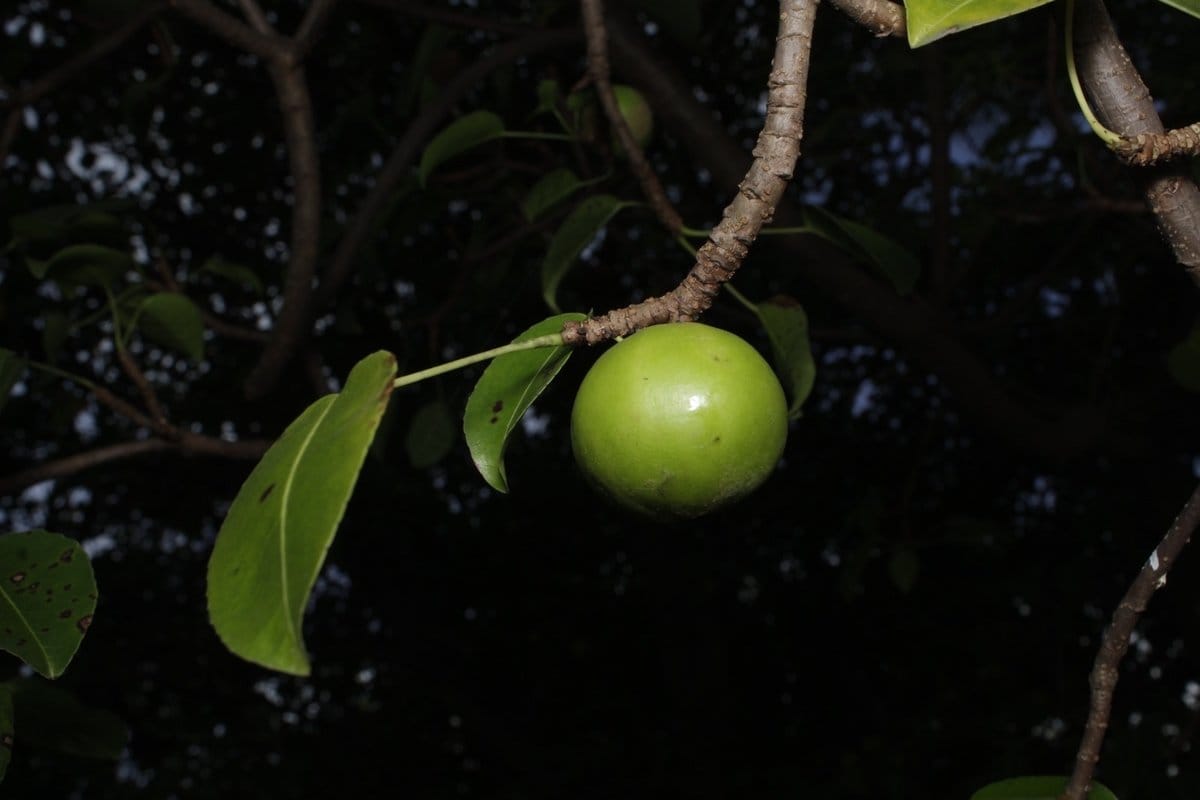
This tree is marked with WARNING SIGNS in many locations (red X painted on trunk, warning placards). NEVER touch, eat, stand under, or burn this tree. The fruit looks like small green apples but is DEADLY - one bite can kill a child. Caribbean beaches often have warning signs. Indigenous peoples were well aware of its dangers and used it as a weapon. Spanish explorer Juan Ponce de León was reportedly killed by a Manchineel-poisoned arrow. The tree should NEVER be planted near public areas, homes, or where children play. Some countries have laws requiring warning signs. If you see this tree, keep children and pets far away and warn others.
Toxicity Details
WORLD'S MOST DANGEROUS TREE. All parts contain extremely toxic phorbol esters. The fruit resembles small green apples ('manzanilla de la muerte' = little apple of death) but causes immediate burning, blistering of mouth and throat, severe vomiting, diarrhea, and can be FATAL if swallowed. Even a small bite causes excruciating pain. Contains hippomane A and B - potent toxins that cause severe gastrointestinal damage and can lead to death. Historical records document numerous fatal poisonings from eating the fruit. Indigenous Caribs used crushed fruit as poison on arrow tips.
Skin Contact Risks
The milky sap is EXTREMELY CAUSTIC and causes immediate severe chemical burns, painful blistering, and dermatitis on contact. Eye contact causes temporary or permanent blindness with severe corneal damage. Standing under the tree during rain causes burns as rainwater washes toxins onto skin - burns develop within minutes. Even touching the bark can cause skin reactions. Smoke from burning wood causes severe respiratory distress, eye inflammation, and temporary blindness. Spanish conquistadors reportedly used the smoke as a form of torture. Never touch any part of this tree.
Allergenic Properties
Sap particles and pollen are highly irritating. Proximity to the tree can cause respiratory irritation in sensitive individuals. Wood dust from cutting (done only by professionals with full protective gear) causes severe respiratory reactions.
Structural Hazards
Branches can drop without warning, particularly during storms. Falling fruit poses additional risk as it spreads toxic sap on impact. The tree is often found on beaches where unsuspecting tourists encounter it.
Wildlife & Pet Risks
Fruit is toxic to most mammals including all domestic animals (dogs, cats, horses, livestock). However, some specialized animals like iguanas and land crabs can eat the fruit safely. Birds may perch safely in branches. Keep all pets away from this tree.
First Aid & Emergency Response
• If ingested, seek immediate medical attention. Do not induce vomiting unless directed by medical professional.
• If sap contacts skin, wash immediately with soap and water. Seek medical attention if blistering or severe irritation occurs.
• If sap enters eyes, flush immediately with clean water for 15 minutes and seek emergency medical care.
Costa Rica Emergency: 911
Costa Rica Poison Control: 2223-1028
Season
Flowering
All
Fruiting
All
How to identify
Manchineel (Beach Apple)
The Manchineel (Hippomane mancinella), also known as Beach Apple or Manzanillo de la Muerte (Little Apple of Death), is widely recognized as the most dangerous tree in the world. It appears in the Guinness Book of World Records as "the world's most dangerous tree." Every single part—fruit, leaves, bark, sap—is highly toxic and caustic. The fruit resembles small green apples but is LETHALLY POISONOUS. Standing under the tree during rain causes severe chemical burns. This tree has killed and injured countless people throughout history and continues to pose extreme danger, particularly to tourists unfamiliar with it.
Quick Reference
iNaturalist Observations
Community-powered species data
📸 Photo Gallery
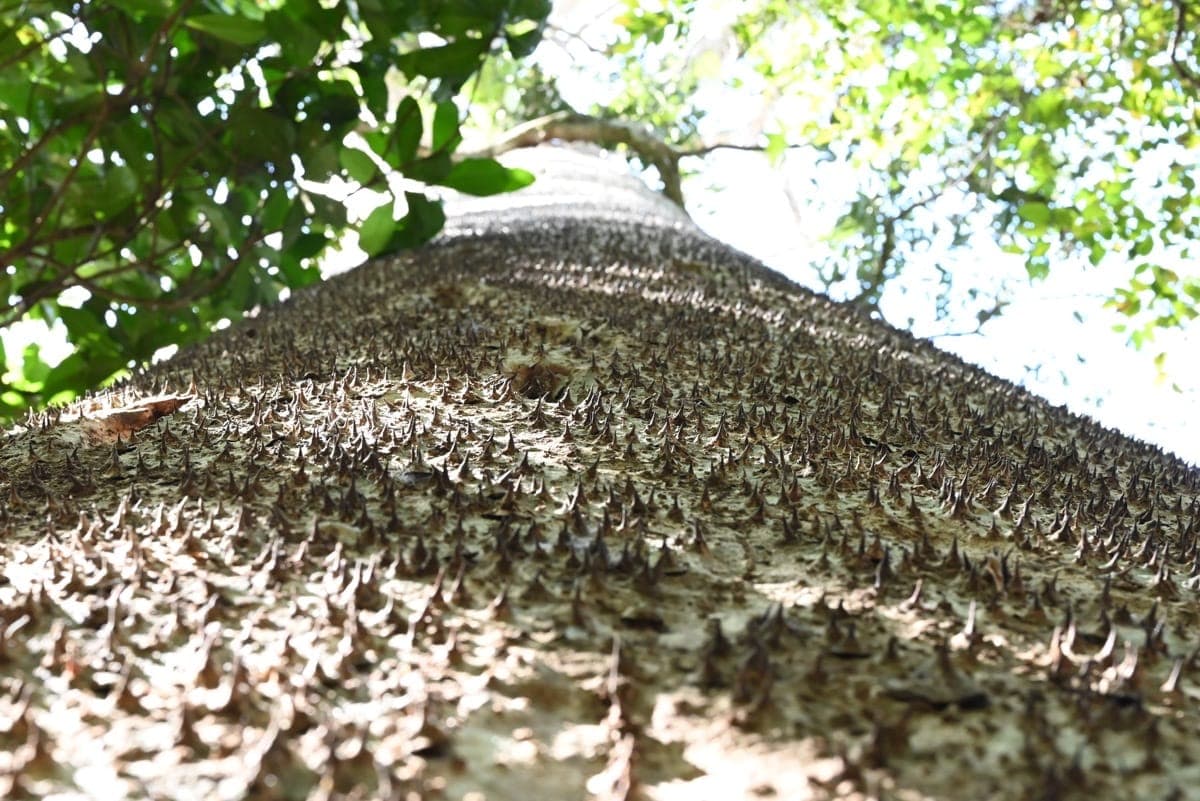
Whole tree
📷 (c) ariel_delgado, some rights reserved (CC BY-NC)(CC BY-NC)
View source ↗Leaves
📷 (c) ariel_delgado, some rights reserved (CC BY-NC)(CC BY-NC)
View source ↗Whole tree
📷 (c) Nate Martineau, some rights reserved (CC BY-NC)(CC BY-NC)
View source ↗Leaves
📷 (c) ariel_delgado, some rights reserved (CC BY-NC)(CC BY-NC)
View source ↗Whole tree
📷 (c) Eric Blomberg, some rights reserved (CC BY-NC-ND)(CC BY-NC)
View source ↗Photos sourced from iNaturalist's community science database. Browse all observations →↗
Taxonomy & Classification
Why Is This Tree So Dangerous?
The "Apple of Death"
The fruit is the source of most poisonings:
- Appearance: Resembles small green apples (2-4 cm diameter)
- Smell: Sweet, pleasant aroma that attracts victims
- Taste: Initially sweet, then immediate burning
- Toxicity: Even one bite can be fatal to children
- Mechanism: Contains phorbol esters that cause severe tissue damage
The Caustic Sap
The milky latex is one of nature's most potent irritants:
- Contact: Causes immediate chemical burns and blistering
- Rain: Standing under tree during rain = severe burns from runoff
- Smoke: Burning the wood releases toxic fumes causing blindness
- Duration: Burns can last weeks and may scar permanently
Historical Significance
- Indigenous Use: Caribs poisoned arrow tips with sap and crushed fruit
- Juan Ponce de León: Spanish explorer killed by Manchineel-poisoned arrow in 1521
- Shipwreck Survivors: Historical accounts of castaways dying from eating the fruit
- Torture: Spanish conquistadors reportedly used smoke as a torture method
Physical Description
Tree Structure
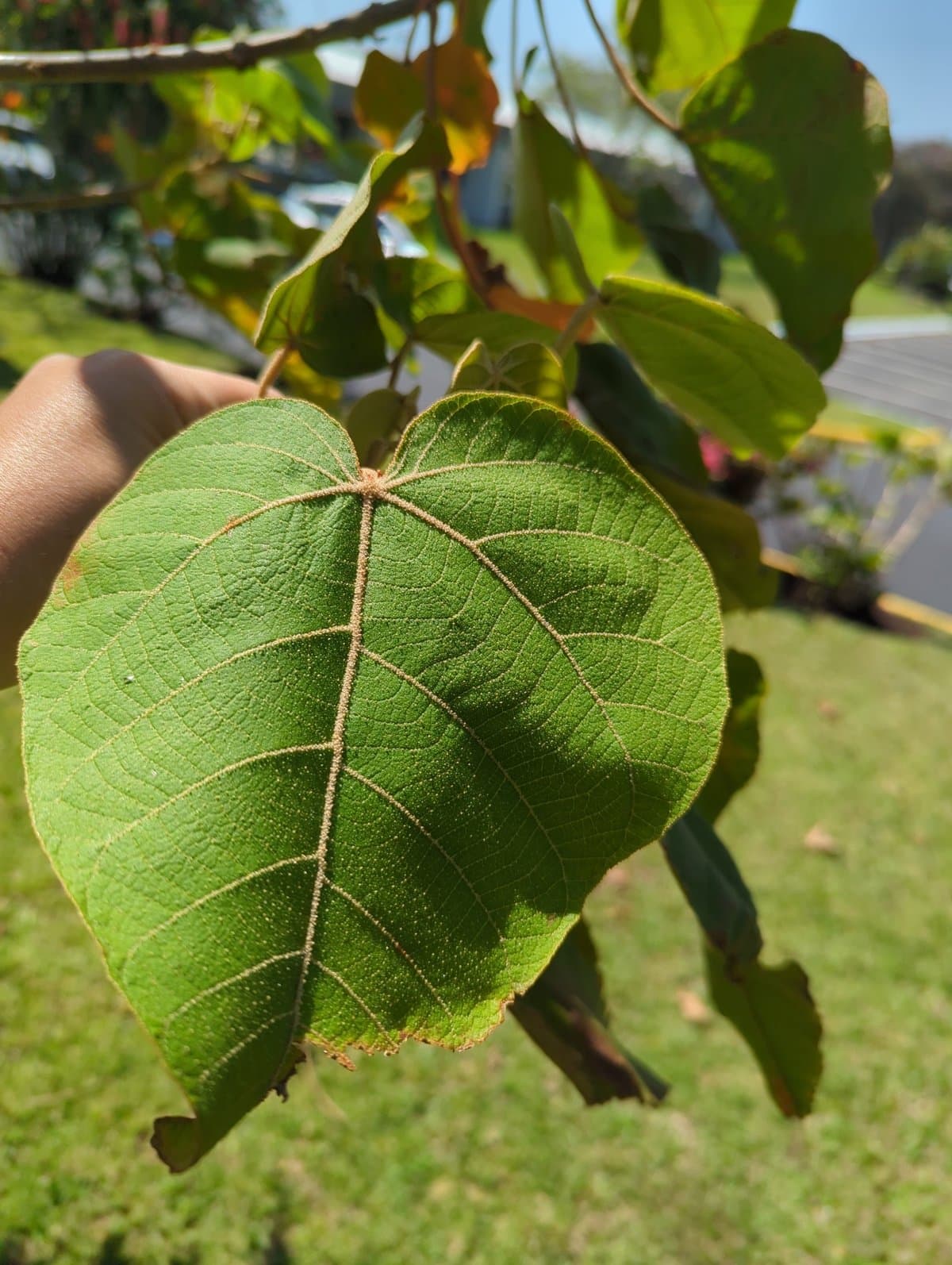
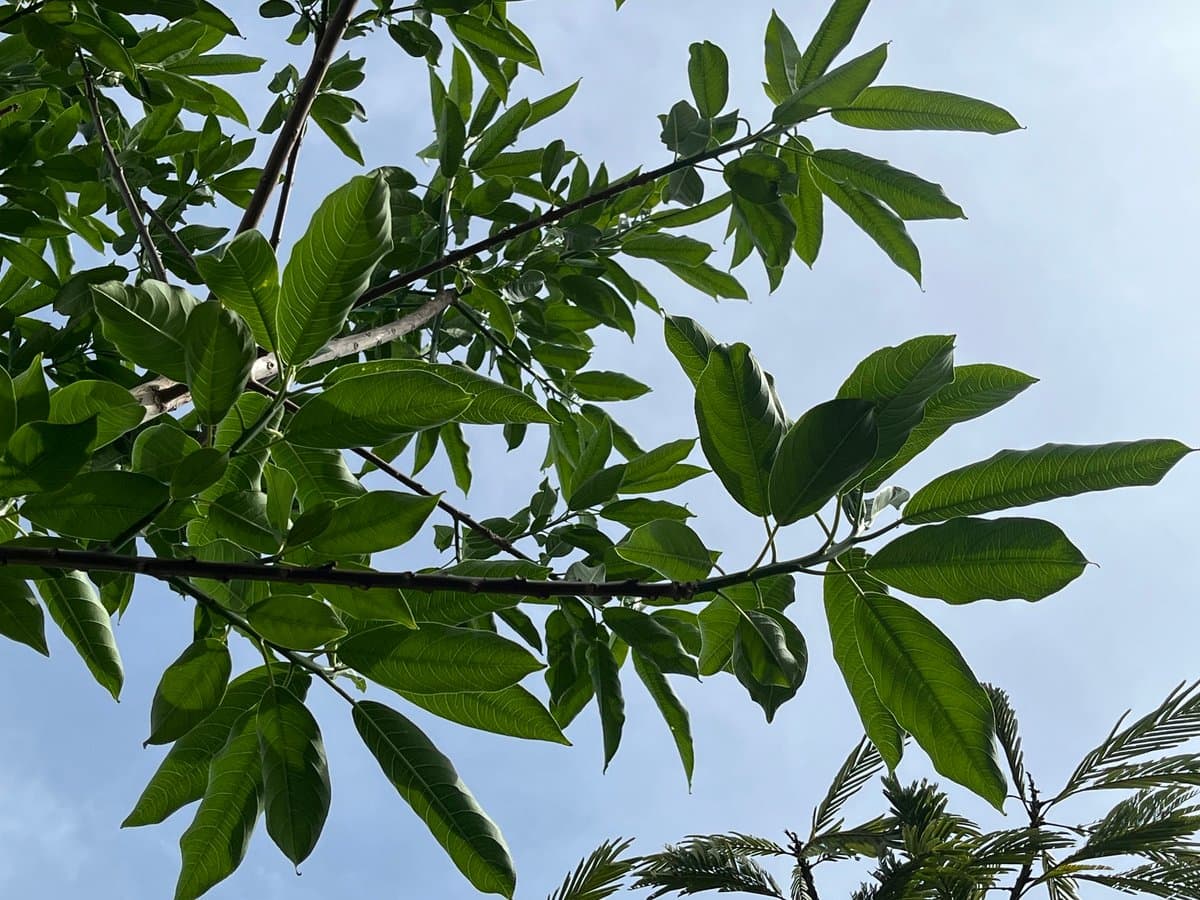
Leaves
- Shape: Elliptical, 5-10 cm long, 3-6 cm wide
- Margins: Finely serrated edges with small glands
- Color: Glossy bright green above, paler beneath, yellow-green veins
- Arrangement: Alternate, spirally arranged, clustered at branch tips
- Texture: Smooth, shiny, leathery surface
- Petioles: Long stalks (3-5 cm) with two small glands at the base where the blade meets the stalk — a key identification feature
Flowers
- Type: Small, inconspicuous, greenish-yellow
- Structure: Monoecious — separate male and female flowers on the same tree
- Male flowers: Arranged in terminal spikes, each spike 3-8 cm long
- Female flowers: Solitary at the base of the male spike
- Season: Blooms year-round in the tropics, with peaks during the wet season
- Pollination: Wind and insects
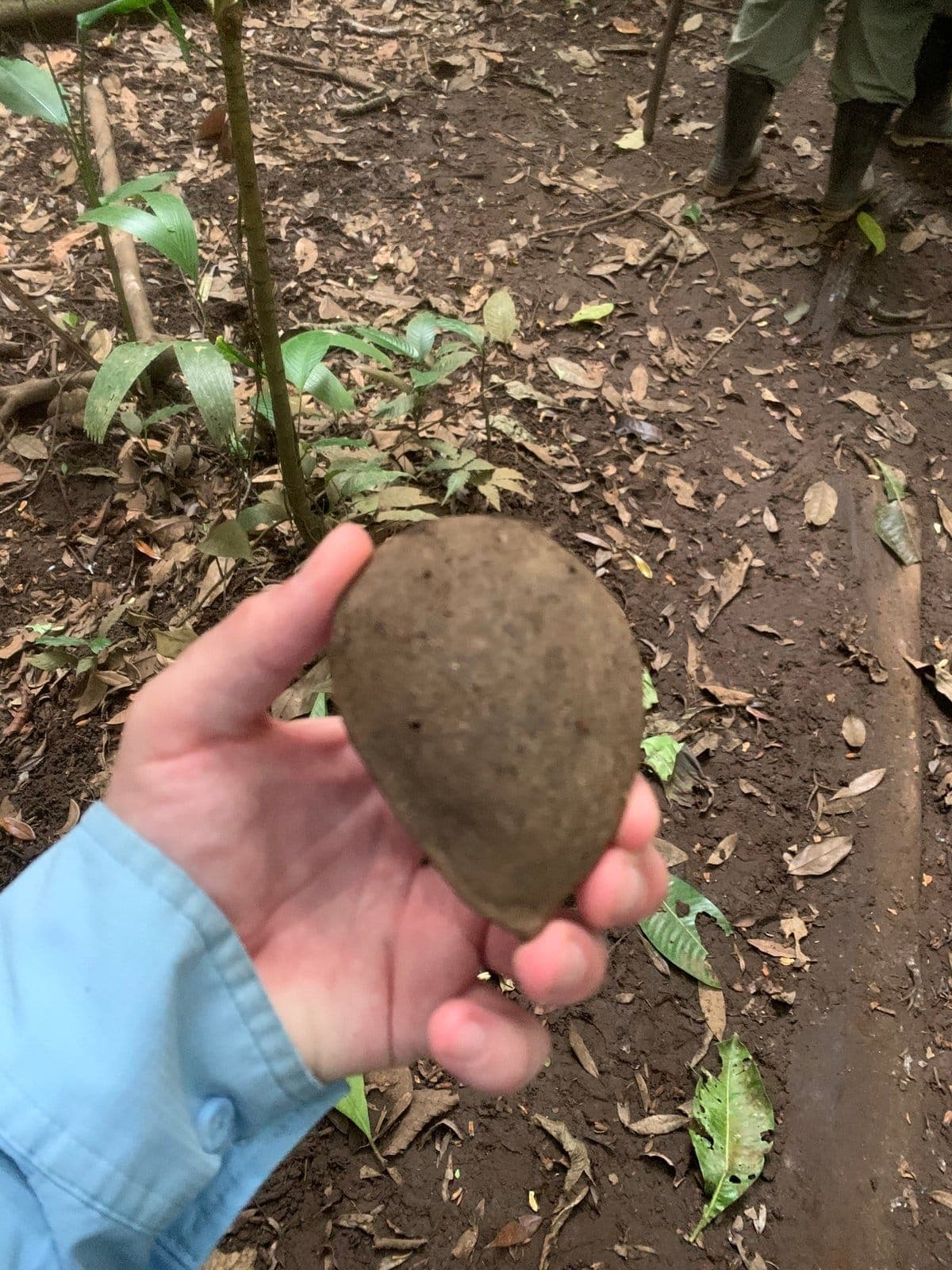
Fruit
- Appearance: Small drupes closely resembling green apples
- Size: 2-4 cm diameter
- Color: Green when unripe, yellowish-green when mature
- Smell: Sweet, pleasant (deceptively inviting)
- Interior: White flesh surrounding a hard stone with 6-9 seeds
- Season: Fruits year-round, peak after rains
- Dispersal: Fruits float and are spread by ocean currents, which explains the tree's coastal distribution
Geographic Distribution
Geographic Distribution
Where to Find Manchineel in Costa Rica
Known Locations (OBSERVE FROM A SAFE DISTANCE ONLY):
Habitat Preference: Sandy beaches, mangrove edges, rocky coastal flats at sea level to 10 m elevation.
Identification Clue: Many specimens are marked with a red X or warning signs. Look for these markers near beach parking areas and trail entries.
Habitat & Ecology
Coastal Specialist
The Manchineel is superbly adapted to harsh coastal environments where few other trees can survive:
- Salt Tolerance: Withstands salt spray, saline soils, and periodic tidal flooding
- Wind Resistance: Flexible wood and dense crown survive storms and hurricanes
- Sandy Soils: Thrives in nutrient-poor sandy substrates
- Drought Tolerance: Survives extended dry periods common on tropical coasts
- Sun: Requires full sun; does not grow under forest canopy
Ecological Role
Despite its danger to humans, the Manchineel is an important component of Caribbean coastal ecosystems:
- Beach Stabilization: Deep root system anchors sand and prevents coastal erosion
- Windbreak: Protects inland vegetation from salt spray and storm winds
- Wildlife Food: Green iguanas (Iguana iguana) and land crabs (Gecarcinus spp.) eat the fruit with no ill effects — they have evolved tolerance to the toxins
- Nesting Sites: Birds nest safely in branches; the tree's toxicity may actually protect nests from climbing predators
- Mangrove Associate: Often found at the landward edge of mangrove forests, forming transitional habitat
- Seed Dispersal: Floating fruits colonize new coastlines via ocean currents, making the tree an important pioneer on newly formed beach habitat
Associated Species
Manchineel commonly grows alongside:
- Sea grape (Coccoloba uvifera)
- Coconut palm (Cocos nucifera)
- Beach morning glory (Ipomoea pes-caprae)
- Red mangrove (Rhizophora mangle)
- Beach almond (Terminalia catappa)
Toxicology
Toxic Compounds
The primary irritant is 12-deoxy-5-hydroxyphorbol-6γ,7α-oxide, a diterpene ester that activates protein kinase C and causes intense inflammation and tissue damage on contact.
Symptoms of Poisoning
First Aid & Emergency Response
- Costa Rica Emergency: 911
- Costa Rica Poison Control: 2223-1028
- INS Emergency: 800-8000-911
If Fruit Is Ingested
- DO NOT INDUCE VOMITING (can cause more burns to the esophagus)
- Call Emergency Services Immediately: 911
- Costa Rica Poison Control: 2223-1028
- Rinse mouth gently with water (do not swallow)
- Give milk or water if person can swallow safely
- Get to hospital IMMEDIATELY — this is life-threatening
- Bring a fruit sample if possible for identification
- Monitor airway — throat swelling can block breathing
If Sap Contacts Skin
- Remove contaminated clothing immediately
- Flush with large amounts of clean water for 15+ minutes
- Wash gently with mild soap and water
- Do NOT rub or scrub (spreads toxins deeper into skin)
- Apply cool compresses to reduce pain
- Seek medical attention — burns often worsen over 24-48 hours
- Do NOT apply oils, lotions, or home remedies
If Sap Enters Eyes
- IMMEDIATE EMERGENCY — risk of permanent blindness
- Flush eyes continuously with clean water for 15-20 minutes
- Do NOT rub eyes (worsens corneal damage)
- Get to emergency room IMMEDIATELY
- Corneal damage may require ophthalmologic treatment
If Smoke Is Inhaled
- Move to fresh air immediately and stay upwind
- If eyes affected, flush continuously with water
- Seek emergency medical care
- May require hospitalization for respiratory support
- Monitor for delayed respiratory symptoms (can worsen hours later)
Recognition & Warning Signs
How to Identify
Warning Systems
Many locations mark Manchineel trees to protect the public:
- Red X: Painted prominently on trunk — the most common marker
- Warning Signs: Multi-language signs in areas with tourist traffic ("Poison Tree — Do Not Touch")
- Fencing: Some resort and park areas fence off individual trees
- Hotel Briefings: Coastal resorts in the Caribbean often include Manchineel warnings in guest orientation
- National Park Signage: Costa Rican national parks mark known specimens on trail maps and along beach paths
- Apps & Guides: Field guides and hiking apps increasingly include Manchineel location warnings
Uses
Sources: Guinness — Most Dangerous Tree↗, IUCN Red List — Hippomane mancinella↗, BMJ Case Report: Manchineel Dermatitis↗
Historical and Traditional Uses
Despite its extreme toxicity, the Manchineel has had limited but notable uses throughout history:
- Arrow Poison: Caribbean indigenous peoples, particularly the Caribs, applied sap and crushed fruit to arrow tips and spear points as a potent biological weapon. This practice was documented by early European explorers
- Fish Poison: Crushed fruit and bark were used to stun fish in tidal pools and shallow coastal waters, a practice still occasionally reported in remote Caribbean communities
- Cabinet Wood: When carefully dried and treated by experienced woodworkers, the timber produces an attractive, fine-grained wood suitable for furniture and cabinetry. The wood must be sun-dried thoroughly to neutralize toxic sap before any cutting or shaping. This was historically done in the Caribbean, but is increasingly rare due to safety concerns
- Dye: Bark extract was reportedly used to produce brown dye for textiles in some Caribbean communities
Modern Research Interest
- Phorbol Esters: The tree's phorbol compounds are being studied in cancer research and immunology as protein kinase C activators
- Pharmacology: Some compounds show potential anti-tumor activity in laboratory settings
- Chemical Ecology: Researchers study how iguanas and crabs tolerate the toxins, which could yield insights into toxin resistance mechanisms
Cultural & Historical Significance
Indigenous Knowledge
- Caribbean indigenous peoples knew this tree intimately for millennia
- Used strategically as a weapon — arrow poison and defensive perimeters
- Never planted near villages; locations of wild trees were carefully mapped
- Knowledge passed down through generations via oral tradition
- The tree's danger inspired cautionary stories and taboos
Colonial Encounters
The Manchineel played a significant role in the history of European colonization:
- First Contact Deaths: Spanish explorers documented Manchineel poisoning as early as 1493, during Columbus's second voyage
- Juan Ponce de León (1521): The famed Spanish explorer and governor of Puerto Rico was struck by a Manchineel-poisoned arrow launched by Calusa warriors in Florida. The wound became severely infected and he died in Havana shortly after
- Shipwreck Victims: Multiple accounts describe castaways dying after eating the inviting-looking fruit, unaware of its lethal properties
- Weaponized Smoke: Conquistadors documented that indigenous defenders burned Manchineel branches to create clouds of blinding, choking smoke to repel attackers
- Biological Warfare: Some accounts describe indigenous peoples contaminating water sources with Manchineel sap during resistance against European colonizers
In Literature and Science
- Guinness World Records: Listed as the "world's most dangerous tree" — a distinction it has held continuously
- Linnaeus (1753): Formally described in Species Plantarum, though European knowledge of the tree dated back 250 years earlier
- Medical Literature: Case reports of Manchineel poisoning appear regularly in tropical medicine and dermatology journals
- Popular Culture: Featured in "world's most dangerous plants" lists, survival guides, and natural history documentaries
Why Is This Tree Still Around?
Despite extreme danger to humans, the Manchineel has significant ecological and conservation value:
Ecological Importance
- Coastal Protection: One of the most effective natural beach stabilizers in the Caribbean, its extensive root system anchors sand and resists wave erosion
- Storm Buffer: Dense canopy and flexible wood protect inland vegetation from hurricane-force winds and salt spray
- Native Ecosystem: An irreplaceable component of Caribbean coastal plant communities that has coexisted with local wildlife for millions of years
- Wildlife Habitat: Provides food and shelter for iguanas, crabs, birds, and other animals that are immune to its toxins
Practical Challenges
- Dangerous to Remove: Cutting and burning Manchineel trees releases toxic sap and smoke, making removal hazardous and expensive
- Regeneration: Even after removal, the tree readily regrows from root fragments and seeds spread by ocean currents
- Natural Heritage: Part of the Caribbean's natural and cultural heritage, with deep roots in indigenous history
Modern Management
Rather than attempting full eradication, most countries now manage Manchineel through:
- Warning signage and public education
- Physical barriers around high-traffic locations
- Controlled removal only where directly threatening public safety
- Conservation of specimens in protected areas
Conservation Status
Threats
- Coastal Development: Beach resorts, marinas, and residential construction destroy Manchineel habitat
- Tourism Infrastructure: Trees are sometimes removed near hotel beaches and public access areas
- Sea Level Rise: Climate change threatens low-elevation coastal habitat
- Hurricane Damage: While the tree is wind-resistant, extreme storms can destroy individual specimens
Conservation Measures
- Protected within national parks and wildlife refuges in Costa Rica and elsewhere
- Some Caribbean nations have laws prohibiting unauthorized removal
- Environmental impact assessments required for coastal development near known populations
- Managed through signage and education rather than eradication
Hazard Management & Site Stewardship
Manchineel is never cultivated intentionally. Management focuses on protecting people from existing trees while preserving the species' critical role in coastal stabilisation.
Risk Assessment for Existing Trees
Safe Handling Protocols
All physical work on Manchineel trees MUST be performed by trained professionals wearing full PPE. Never attempt pruning, removal, or transport without the equipment listed below.
- Required PPE: Full-length waterproof suit, chemical-resistant gloves (nitrile, not latex), sealed eye protection or face shield, respiratory protection during cutting (sap aerosol risk)
- Wet conditions: NEVER work on Manchineel in rain — water runoff carries dissolved toxins
- Tool decontamination: Wash all tools with soap and water immediately after use; sap residue remains toxic after drying
- Debris disposal: Bag cuttings in sealed containers; never burn Manchineel wood (toxic smoke causes severe respiratory and eye damage)
- First aid on site: Maintain clean water supply for immediate skin/eye flushing; antihistamine kit for allergic reactions
Signage & Public Education
- Minimum signage: Bilingual warning signs (Spanish/English) at all public-access locations
- Sign content: "DANGER / PELIGRO — Manchineel / Manzanillo — Do NOT touch tree, fruit, or sap / No toque el árbol, fruta ni savia" with skull and crossbones icon
- Interpretive panels: In national parks, install educational panels explaining the tree's ecological value alongside warnings
- Digital maps: Provide GPS-tagged Manchineel locations on park trail apps and visitor centre maps
Ecological Preservation Rationale
Manchineel plays an irreplaceable role in coastal ecosystems and should be preserved wherever human safety can be managed:
- Shoreline stabilisation: Root systems anchor sandy and rocky coastlines against erosion and storm surge
- Wildlife habitat: Fruits are consumed by iguanas, land crabs, and Garrobo lizards (Ctenosaura similis) without harm
- Wind protection: Dense canopy shields inland vegetation from salt spray and hurricane winds
- Cultural heritage: One of the most historically significant trees in the Caribbean — documentation in Columbus-era accounts
Seasonal Monitoring Calendar
External Resources
Official record listing Manchineel as the world's most dangerous tree
Guinness World Records
Conservation status assessment and population data
IUCN Red List
Comprehensive botanical and distribution information
USDA Database
Community observations, photos, and distribution data
Global observations
Global Biodiversity Information Facility occurrence data
GBIF
Medical case report on Manchineel skin burns and treatment
PubMed Central
Critical Safety Summary
🚫 NEVER:
- Touch any part of this tree (bark, leaves, fruit, or sap)
- Stand under it, especially during rain (runoff causes chemical burns)
- Eat the fruit (even one bite can be fatal to a child)
- Burn the wood (smoke causes blindness and respiratory failure)
- Let children or pets near this tree
- Use wood for crafts or construction without professional training
✅ ALWAYS:
- Look for warning signs (red X on trunk) on Caribbean and Pacific beaches
- Keep children and pets away if you spot this tree
- Warn others who may not recognize it
- Seek immediate medical help if exposed: call 911 or Poison Control at 2223-1028
- Take poisoning seriously — even small exposure can be life-threatening
This tree has killed many people throughout history. If you see it, stay away and warn others.
Safety Information Disclaimer
Safety information is provided for educational purposes only. Individual reactions may vary significantly based on age, health status, amount of exposure, and individual sensitivity. Always supervise children around plants. Consult a medical professional or certified arborist for specific concerns. The Costa Rica Tree Atlas is not liable for injuries or damages resulting from interaction with trees described in this guide.
• Always supervise children around plants
• Consult medical professional if unsure
• Seek immediate medical attention if poisoning occurs
Information compiled from authoritative toxicology sources, scientific literature, and medical case reports.
Help improve this page
Know something about this tree? Share local knowledge, suggest a correction, or submit a photo to improve this guide for everyone.