Guaba Bejuco
Inga vera
Quick facts
Native Region
Central America, South America (Amazon Basin)
Max Height
8-15 meters
Family
Fabaceae
Conservation
LC — Least Concern
Uses
Safety Information
Toxicity Details
Guaba Bejuco is completely safe and non-toxic. The sweet cotton-like pulp surrounding the seeds is edible and enjoyed by children and adults. Like other Inga species, the seeds are hard and typically not consumed but pose no toxicity risk if accidentally swallowed.
Skin Contact Risks
No skin irritation. All parts of the tree can be handled safely without risk of dermatitis or allergic reactions.
Wildlife & Pet Risks
Completely safe for all domestic animals including dogs, cats, horses, and livestock. The fruit is consumed by many bird species, bats, monkeys, and other arboreal wildlife.
Season
Flowering
Feb-May
Fruiting
May-Aug
How to identify
Guaba Bejuco (Vine Guaba)
Guaba Bejuco (Inga vera) is a smaller, more sprawling relative of the popular Ice Cream Bean (Inga edulis). True to its name—"bejuco" means "vine" in Spanish—this species grows with a distinctive vine-like habit, sending out long, flexible branches that create a wide, spreading canopy. Native to Central American and Amazonian rainforests, this unassuming tree provides the same sweet edible pods as its larger relatives while offering exceptional benefits for agroforestry: fast growth, aggressive nitrogen fixation, and adaptability to marginal soils. In rural Costa Rica, Guaba Bejuco is often planted as living fences or along property boundaries, where its sprawling growth and soil-enriching properties make it a practical workhorse of sustainable farming.
Quick Reference
iNaturalist Observations
Community-powered species data
📸 Photo Gallery
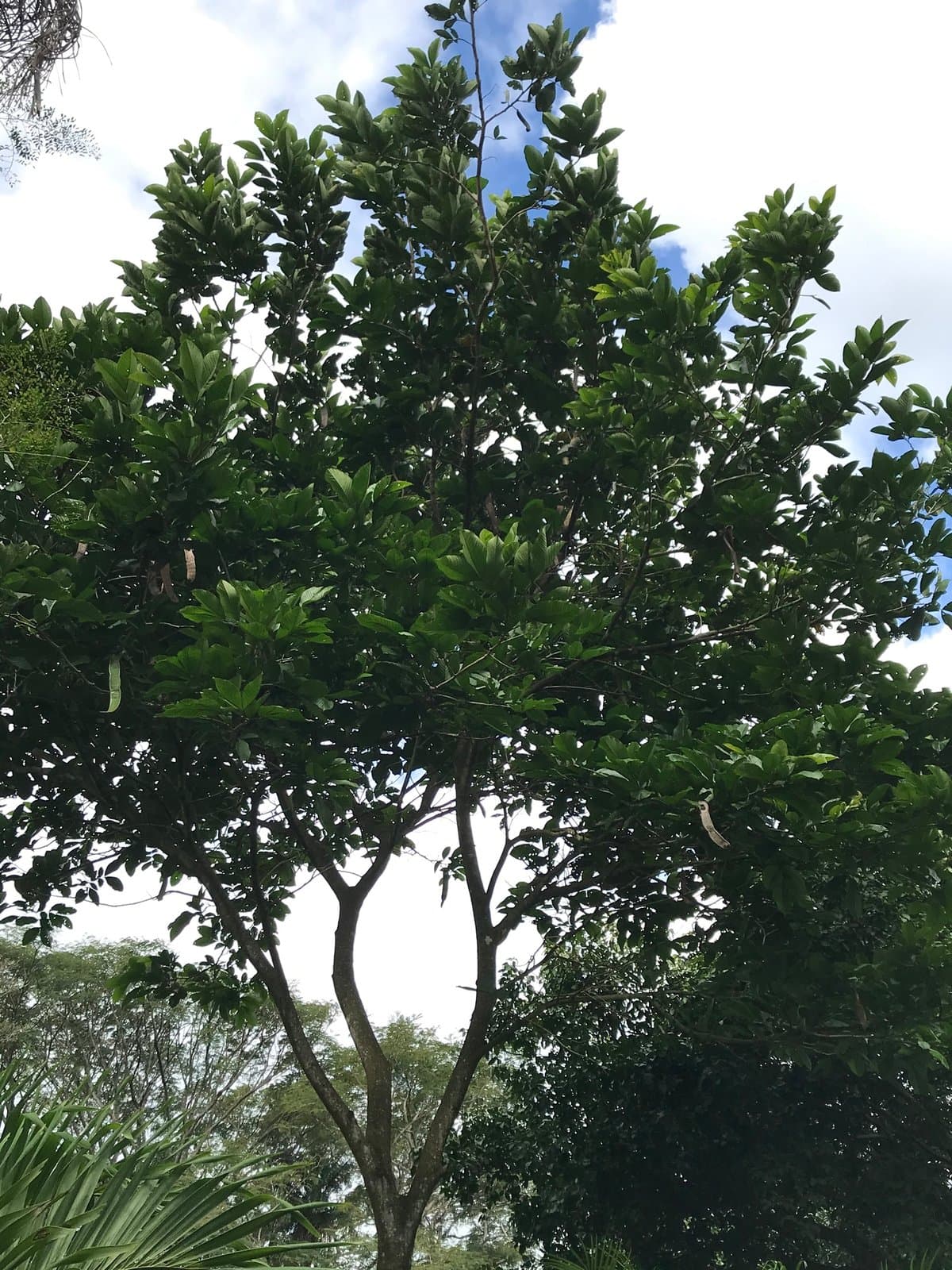
Whole tree
📷 (c) Carlos Venegas-Elizondo, some rights reserved (CC BY-NC)(CC BY-NC)
View source ↗Leaves
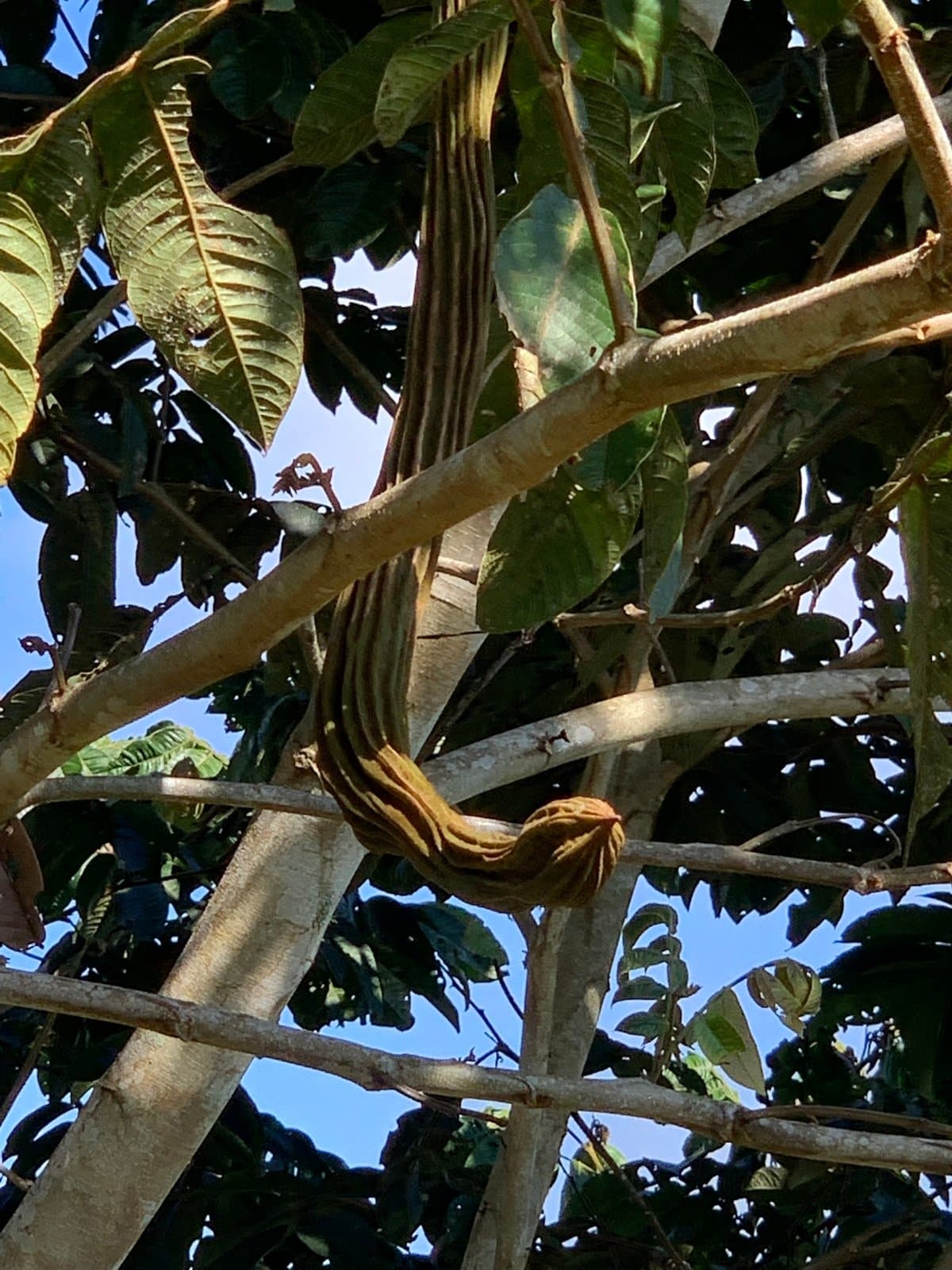
📷 (c) Carlos Venegas-Elizondo, some rights reserved (CC BY-NC)(CC BY-NC)
View source ↗Whole tree
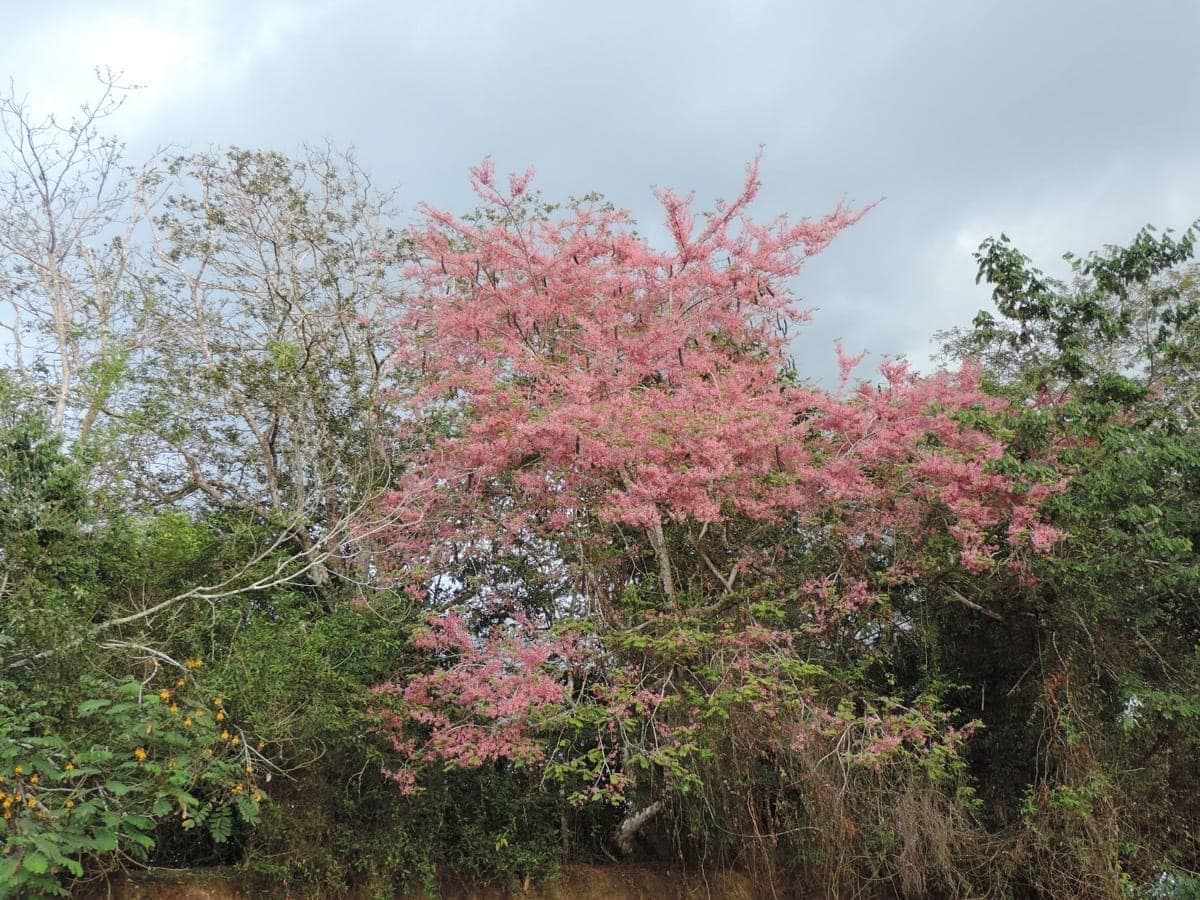
📷 (c) Leonardo Álvarez-Alcázar, some rights reserved (CC BY-NC)(CC BY-NC)
View source ↗Leaves
📷 (c) Carlos Venegas-Elizondo, some rights reserved (CC BY-NC)(CC BY-NC)
View source ↗Whole tree
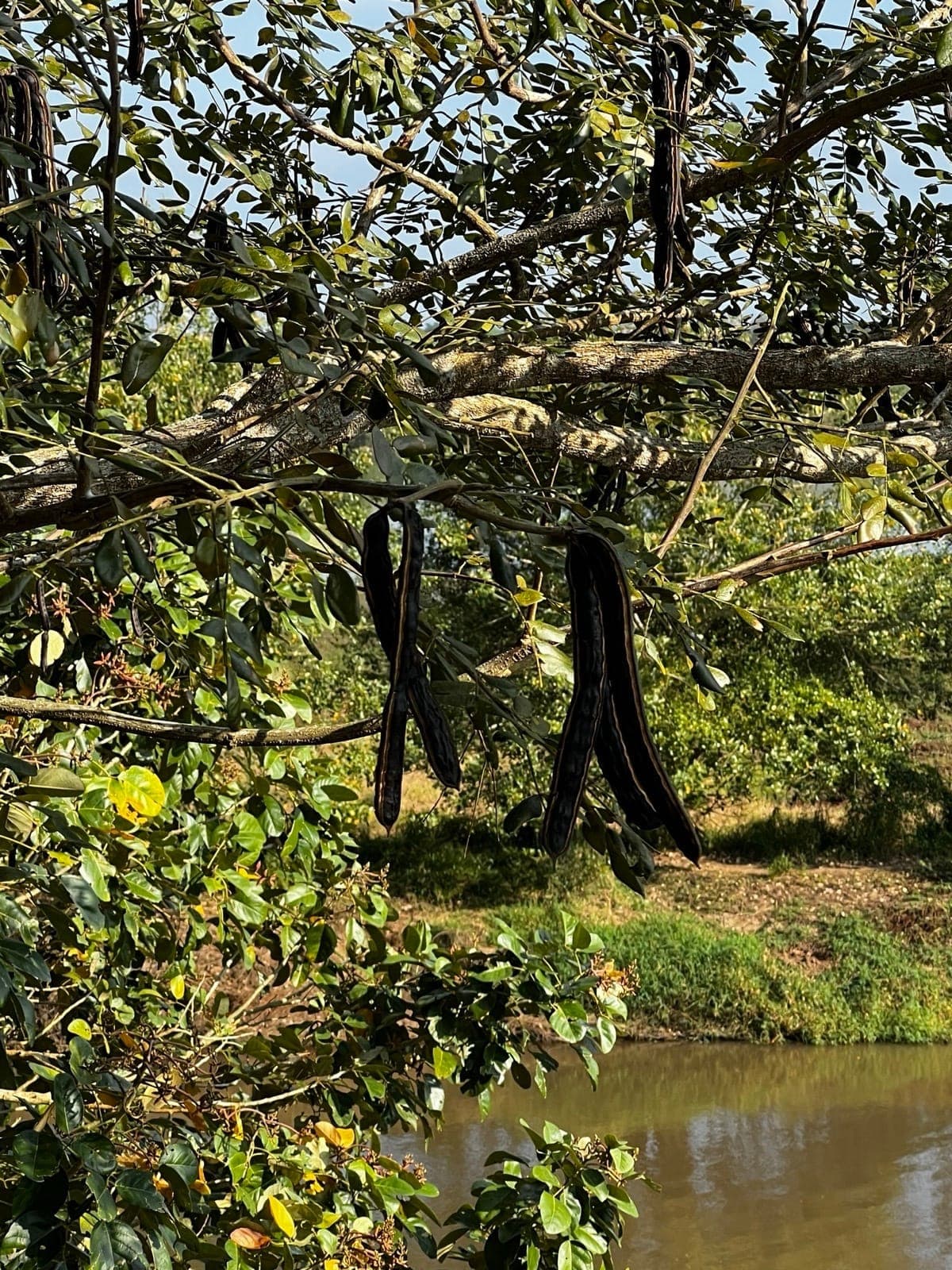
📷 (c) Richard Joyce, some rights reserved (CC BY-NC)(CC BY-NC)
View source ↗Photos sourced from iNaturalist community science database. View all observations →↗
Taxonomy and Classification
- Inga: From the Tupi indigenous name for these trees - vera: Latin for "true" or "genuine" - Bejuco: Spanish for "vine," referring to the sprawling, vine-like growth habit - Guaba: Indigenous Mesoamerican name for the genus
Common Names
Distinguishing Features from Other Inga Species
The Inga genus contains over 300 species, many with similar characteristics. Key differences for I. vera: Growth Habit: - Much more sprawling and vine-like than I. edulis (common Guaba) - Lower, wider canopy with long flexible branches - Often leans or sprawls across other vegetation Size: - Smaller mature height (8-15m vs 20-30m for I. edulis) - Thinner trunk (rarely exceeds 20-30 cm diameter) Pods: - Slightly shorter and narrower than I. edulis - Pods more cylindrical, less twisted - Still contain sweet edible pulp Leaves: - Leaflets slightly smaller and narrower
- More numerous leaflets per leaf (5-8 pairs) - Leaf rachis (central stem) often has narrow wings between leaflets
Physical Description
Tree Form
General Habit: Small to medium-sized tree with distinctive sprawling, semi-scandent (partially climbing) growth habit. Unlike the upright form of most Inga species, I. vera typically develops a low, wide-spreading crown with long, flexible branches that may lean on adjacent vegetation or spread across the ground if unsupported. The trunk is relatively thin and often multiple-stemmed or branched low to the ground.
Size: Typically 8-15 meters tall with crown spread of 6-10 meters. Individual branches can extend even further if given space or support.
Crown: Broad, irregular, and spreading; often wider than tall. The loose, open canopy allows significant light penetration, making it useful for intercropping.
Bark and Trunk
Bark: Smooth to slightly fissured, gray-brown to olive-brown in color. Young branches are green, becoming gray-brown with age. Bark is thin and relatively smooth compared to larger tree species, with occasional vertical fissures on older trunks.
Trunk: Relatively slender, rarely exceeding 30 cm diameter. Often crooked or leaning, with low branching. Multi-stemmed growth is common, especially when pruned or damaged.
Leaves
Type: Alternate, pinnately compound (feather-like arrangement)
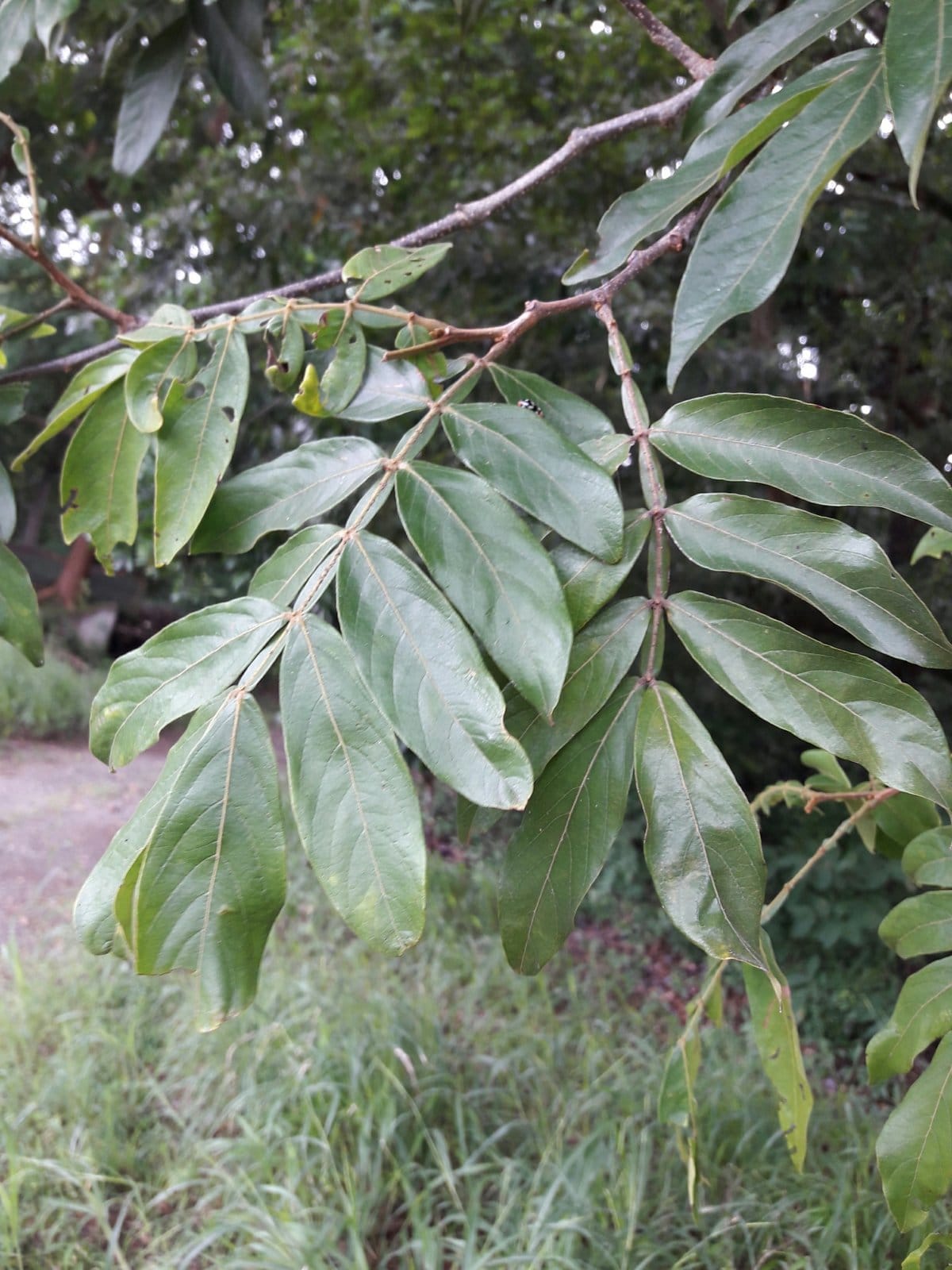
Leaflets: Typically 4-8 pairs of leaflets per leaf, each leaflet 6-12 cm long by 3-5 cm wide. Leaflets are elliptic to oblong, with smooth margins and pointed tips. Upper surface is deep green and slightly glossy; lower surface is paler and may have fine hairs.
Rachis: The central leaf stem (rachis) between leaflets often has narrow, flat wings (very characteristic of many Inga species). A gland is present between each pair of leaflets—a key identifying feature of the genus.
Arrangement: Leaves are crowded near branch tips, creating dense foliage zones with open spaces between them.
Flowers
Appearance: Typical Inga flowers—white to pale greenish, brush-like or pom-pom shaped due to numerous long stamens (50-100+ per flower). Individual flowers are 3-4 cm across.
Arrangement: Produced in dense clusters (spikes or heads) at leaf axils or branch tips.
Timing: Primary flowering February-May in Costa Rica, but sporadic flowering can occur throughout the year in suitable conditions.
Pollinators: Primarily pollinated by bees, hawkmoths, and bats attracted by the night-fragrant flowers and abundant nectar.
Fruit
Type: Legume pod (typical of Fabaceae family), 10-20 cm long by 2-3 cm wide.
Appearance: Long, cylindrical to slightly flattened pods, green when immature, turning yellowish-brown at maturity. Surface may have faint longitudinal ridges. Pods do not split open on the tree like dry legume pods; instead, they remain fleshy and are manually opened to access the seeds.
Seeds: 4-10 seeds per pod, each surrounded by abundant white, fluffy, sweet pulp. The pulp is the edible part.
Maturation: Pods mature May-August, approximately 2-3 months after flowering.
Geographic Distribution and Habitat
Native Range
Inga vera is native to tropical Central America and northwestern South America, including the Amazon Basin. Its range extends from southern Mexico through Central America to Colombia, Venezuela, Ecuador, Peru, and Brazil.
Costa Rican Distribution
Provinces: Found throughout Costa Rica's Caribbean slope and Pacific lowlands:
- Limón: Common in lowland Caribbean rainforests
- Heredia and Alajuela: Pre-montane wet forest zones (Caribbean slope)
- San José: Occasional in moist valleys
- Puntarenas: Pacific slope foothill regions
Elevation: 50-1200 meters; most abundant below 800 m
Habitats:
- Lowland and premontane rainforests
- Forest edges and light gaps
- Riverbanks and riparian zones
- Secondary forests and old fields
- Agroforestry systems and living fences
- Coffee and cacao plantations (shade tree)
Habitat Characteristics
Ecology and Natural History
Ecological Role
Nitrogen Fixation: Like all legumes, Inga vera forms symbiotic relationships with Rhizobium bacteria in root nodules. These bacteria convert atmospheric nitrogen (N₂) into ammonia (NH₃), which plants can use. This "fixed" nitrogen enriches the soil through:
- Decomposition of nitrogen-rich leaves (leaf litter)
- Live root turnover releasing nitrogen
- Nodule senescence and decomposition
Estimated Nitrogen Input: 50-100 kg N/ha/year in mature stands—equivalent to moderate fertilizer application but produced naturally and sustainably.
Soil Improvement: Beyond nitrogen, the abundant leaf litter improves soil structure, water retention, and organic matter content.
Wildlife Associations
Seed Dispersers:
- Monkeys (especially howler monkeys and capuchins)
- Parrots and other large fruit-eating birds
- Bats (fruit-eating Artibeus species)
Pollinators:
- Honeybees and native stingless bees
- Hawkmoths (night pollination)
- Nectar-feeding bats
Foliage Consumers:
- Leaf-cutter ants occasionally harvest leaves
- Various caterpillars (supports butterfly diversity)
- Sloths occasionally feed on tender leaves
Habitat Provider: The spreading branches and dense foliage provide nesting sites for birds and shelter for arboreal reptiles and frogs.
Forest Dynamics
Successional Role: Early to mid-successional species. Guaba Bejuco colonizes disturbed areas, forest edges, and gaps, where its fast growth and nitrogen-fixing ability help "prepare" the soil for later-successional species. It's shade-tolerant as a seedling but requires gaps or edges for vigorous growth.
Light Niche: Classified as a "light demander" or "pioneer-gap species"—not as strictly light-demanding as true pioneers (like Cecropia), but requiring moderate to high light for optimal growth.
Uses and Applications
Sources: IUCN Red List — Inga vera↗, GBIF — Inga vera↗, CATIE — Árboles de Centroamérica↗
Edible Fruit
Pulp Consumption: The white, fluffy pulp surrounding the seeds is sweet, mildly flavored, and consumed fresh. While not as large or abundant as I. edulis pods, the flavor is similar—slightly sweet with a cotton-candy texture.
Nutritional Content: The pulp is primarily carbohydrates (natural sugars) with small amounts of protein, fiber, vitamins (especially C), and minerals. It's a quick energy source with minimal processing required.
Harvest: Pods are harvested by hand when mature (yellowish-brown, slightly soft to touch). They can be stored for a few days refrigerated, but are best consumed fresh.
Agroforestry and Farming Applications
Living Fences: The sprawling, fast-growing habit makes I. vera ideal for living fences. When planted 2-3 meters apart and regularly pruned, it creates dense barriers for livestock control or property boundaries. Prunings add nitrogen-rich mulch.
Shade Tree for Coffee and Cacao: While less common than I. edulis for commercial operations, I. vera is used in small-scale agroforestry:
- Moderate shade (40-60% canopy cover)
- Nitrogen input reduces fertilizer needs
- Fast growth provides shade quickly
- Edible fruit provides supplementary income
Alley Cropping: Planted in rows with crops (beans, maize, vegetables) grown in the alleys between rows. Periodic pruning provides nitrogen-rich mulch while the trees fix nitrogen in place.
Soil Restoration: Planted on degraded pastures or eroded slopes to:
- Stabilize soil with spreading root system
- Add organic matter and nitrogen
- Create conditions for succession to more diverse forests
Other Traditional Uses
Firewood: The wood burns well and is used locally for cooking fires, though the small trunk size limits large-scale firewood production.
Medicinal Uses: In some regions, bark or leaf preparations are used traditionally for treating minor wounds or as anti-inflammatory agents, though scientific validation is limited.
Cultural and Historical Significance
Indigenous and Traditional Use
Indigenous peoples throughout Central and South America have long utilized Inga species, including I. vera:
- Food Source: The sweet pods provided portable, ready-to-eat nutrition, especially for children during forest travel or work.
- Soil Knowledge: Traditional farmers recognized Inga's ability to "fatten" the soil, using it in swidden agriculture to restore soil fertility during fallow periods.
Rural Costa Rica
In rural Costa Rican communities, Guaba Bejuco holds practical value rather than deep cultural symbolism:
- Farm Utility: Valued as a multipurpose farm tree (food, shade, soil improvement, fencing)
- Childhood Snack: Children eat the pods fresh from the tree—a common rural memory
- Farmer's Friend: Recognized for low maintenance and automatic soil fertilization
While less celebrated than larger fruit trees or famous timber species, Guaba Bejuco is appreciated by those who know its practical benefits.
Conservation Status
Not Evaluated
IUCN Red List Status
IUCN Red List: Least Concern (LC)
Population Trend: Stable to increasing
Threats: None identified. Like most Inga species, I. vera is adaptable, fast-growing, and commonly cultivated. It thrives in human-modified landscapes and is not dependent on primary forests.
Protection: Not requiring special conservation action. However, maintaining genetic diversity and wild populations in protected forests is valuable for future research and crop improvement.
Growing Guaba Bejuco
Ideal Growing Conditions
Climate: Tropical to subtropical lowlands and foothills. Prefers:
- Warm temperatures year-round (20-30°C / 68-86°F)
- High humidity
- Consistent rainfall or irrigation
- Protection from frost
Soil: Highly adaptable—one of Guaba Bejuco's best qualities:
- Tolerates poor, depleted soils (fixes its own nitrogen)
- Prefers well-drained soils but tolerates temporary waterlogging
- pH range 5.0-7.0 (acidic to neutral)
- Sand, loam, or clay—grows in all types
Light: Requires full sun to light shade. Young seedlings tolerate shade but grow much faster with direct light.
Propagation
From Seed (Easiest method):
- Seed Collection: Collect mature pods (yellowish, slightly soft). Extract seeds from pulp and plant immediately—Inga seeds lose viability quickly (within days to weeks).
- Germination: Plant fresh seeds 1-2 cm deep in moist soil or potting mix. Germination occurs in 1-2 weeks.
- Seedling Care: Keep soil moist. Provide light shade for the first few weeks, then transition to full sun.
- Transplanting: Transplant when seedlings are 30-50 cm tall (3-6 months).
From Cuttings:
- Semi-hardwood cuttings (15-20 cm) can be rooted with rooting hormone and bottom heat, though success rates are lower than seeds.
Planting
Timing: Plant at the start of the rainy season (May-June in Costa Rica) to minimize irrigation needs.
Spacing:
- Living fences / hedges: 2-3 m apart
- Agroforestry rows: 4-6 m between trees
- Fruit production: 5-8 m spacing for full crown development
Planting Steps:
- Dig hole twice the root ball width
- Add compost or organic matter (optional—tree is not demanding)
- Place seedling and backfill with soil
- Water deeply after planting
- Mulch around base to retain moisture
Care and Maintenance
Watering: Water regularly during the first dry season after planting. Once established, supplemental watering may not be needed except during prolonged drought.
Fertilization: Generally unnecessary due to nitrogen-fixing ability. If growth is slow on extremely poor soil, a balanced organic fertilizer can be applied in the first year.
Pruning: Minimal pruning required unless training for specific purpose:
- Living Fence: Prune regularly to maintain dense growth and height
- Agroforestry: Remove lower branches to create shade canopy without interfering with crops
- Fruit Production: Prune to improve air circulation and fruit access
Mulching: Apply organic mulch (leaves, wood chips) around the base to retain moisture and suppress weeds.
Fruiting and Harvest
Time to First Fruit: 2-3 years from seed; sometimes earlier from vigorous seedlings in ideal conditions.
Fruiting Season: Main season May-August in Costa Rica; some trees fruit sporadically throughout the year.
Harvest Timing: Pods ready when they turn yellowish and feel slightly soft. They do not fall off the tree when ripe—harvest by twisting or cutting from the branch.
Yield: Variable depending on tree size and conditions. A mature tree may produce 10-30 kg of pods per year.
Common Problems
Thriving Too Well: The vigorous, sprawling growth can become unmanageable in small spaces. Regular pruning controls spread.
Seed Unavailability: Fresh seeds are required for propagation but are not commercially available. Must collect from local trees.
Scale Insects: Occasionally affected but rarely serious. Prune affected branches or apply horticultural oil if infestation is heavy.
Where to See Guaba Bejuco in Costa Rica
National Parks and Reserves
- La Selva Biological Station (Heredia): Common in secondary forests and along trails
- Braulio Carrillo National Park (Caribbean slope): Found in lower elevation zones
- Tortuguero National Park (Limón): Present in riverside and forest edge habitats
Rural Areas
Guaba Bejuco is commonly found in rural agricultural areas throughout the Caribbean lowlands and Pacific foothills, particularly:
- Along roadsides and field edges
- In coffee and cacao plantations
- As living fences in pastures
- In home gardens and small farms
In many rural areas, the best way to see this tree is to ask local farmers for "guaba bejuco"—they often know where it grows on their property or nearby.
Related Species and Comparison
Costa Rica is home to over 20 native Inga species, plus several introduced and cultivated species. Key comparisons:
Inga edulis (Common Guaba):
- Larger tree (15-30 m)
- Upright growth form
- Longer pods (30-60 cm)
- Most widely cultivated species
Inga vera (Guaba Bejuco):
- Smaller tree (8-15 m)
- Sprawling, vine-like growth
- Shorter pods (10-20 cm)
- More common in wild and agroforestry hedges
Inga spectabilis (Guaba Machete):
- Large tree (20-30 m)
- Very large pods (up to 100+ cm!)
- Less common, specific habitat preferences
All produce edible pods, fix nitrogen, and can be used in agroforestry.
References and Further Reading
-
León, J. (2000). Botánica de los cultivos tropicales. San José, Costa Rica: IICA. [Classic Central American agricultural botany text including Inga species]
-
Pennington, T. D. (1997). The Genus Inga: Botany. Royal Botanic Gardens, Kew. [The authoritative taxonomic treatment of Inga—comprehensive species descriptions]
-
Somarriba, E. & Beer, J. (2011). "Productivity of Inga edulis and Erythrina spp. in Agroforestry Systems." Agroforestry Systems 81(1): 67-78. [Research on Inga performance in agroforestry, applicable to I. vera]
-
Richardson, J. E. et al. (2001). "Phylogeny of Inga (Fabaceae-Mimosoideae): a genus of tropical trees." Systematic Botany 26(2): 243-255. [Evolutionary relationships within Inga]
-
Cordero, J. & Boshier, D. (Eds.) (2003). Árboles de Centroamérica: Un manual para extensionistas. Turrialba, Costa Rica: CATIE. [Central American tree guide with practical silvicultural information]
Advanced Care Guidance
Site Design and Planting
- Plant at rainy-season onset with 7-9 m spacing in mixed orchards, cacao systems, or riparian agroforestry.
- Prefers deep, well-drained soils with high organic matter and regular moisture.
- Use wind-protected establishment zones for faster early canopy development.
Watering Program
- Establishment (0-8 months): Deep irrigation 1-2 times weekly during dry gaps.
- Juvenile phase (8-30 months): Water every 7-10 days in dry season.
- Mature trees: Supplemental water during prolonged drought improves flowering and pod fill.
Fertilization Schedule
- Because of nitrogen fixation, prioritize phosphorus, potassium, calcium, and organic matter over high N inputs.
- Apply balanced low-N blend at rainy-season start and a potassium support dose before flowering.
- Renew mulch annually to stabilize moisture and microbial activity.
Pruning and Structure
- Formative pruning should establish a manageable scaffold height for harvest access.
- Thin dense interior growth each year to improve light, airflow, and pod quality.
- In cacao systems, prune strategically to maintain target shade percentages.
Pest and Disease Management
- Monitor pod borers, scale insects, and anthracnose pressure in humid months.
- Remove fallen pods and diseased material promptly to interrupt pest cycles.
- Integrate biological controls and habitat strips for natural enemies.
Companion Planting
- Recommended companions: Cacao, vanilla on support trees, coffee in humid mid-elevation systems, and pollinator hedges.
- Soil role: Improves nitrogen cycling and litter contribution in diversified food forests.
- Avoid nearby: Highly light-demanding monoculture crops that are incompatible with managed shade.
Seasonal Care Calendar (Costa Rican Conditions)
- Dry season (Dec-Apr): Deep irrigation, canopy light management, and pod sanitation.
- Early rains (May-Jul): Fertilization, replanting, and disease-prevention setup.
- Peak rains (Aug-Oct): Intensive fungal scouting and drainage checks.
- Transition (Nov): Pruning adjustments and flowering preparation.
Growth Timeline and Harvest Notes
- Productive pod set commonly begins around years 2-3 with strong management.
- Harvest pods at full size but before overripening to maintain sweetness and reduce insect damage.
- Annual structural pruning is essential to keep this vigorous species productive and accessible.
External Resources
- 🌍 IUCN Red List - Inga vera↗ - Conservation status assessment
- 🦋 iNaturalist - Inga vera↗ - Photographs and observations from around the world
- 🌿 GBIF - Inga vera↗ - Global occurrence data and specimens
- 📚 Tropicos - Inga vera↗ - Botanical nomenclature and synonyms
- 🌱 World Agroforestry (ICRAF) - Inga genus↗ - Agroforestry applications (I. edulis info applicable to I. vera)
While Inga edulis often steals the spotlight, Inga vera deserves recognition as a hardworking agroforestry species. Its smaller size, sprawling habit, and adaptability make it ideal for living fences, alley cropping, and small-scale farming systems. It provides the same nitrogen-fixing benefits as its larger relatives while occupying less vertical space and offering edible fruit as a bonus. For farmers seeking multifunctional trees for sustainable land management, Guaba Bejuco is an excellent choice.
Safety Information Disclaimer
Safety information is provided for educational purposes only. Individual reactions may vary significantly based on age, health status, amount of exposure, and individual sensitivity. Always supervise children around plants. Consult a medical professional or certified arborist for specific concerns. The Costa Rica Tree Atlas is not liable for injuries or damages resulting from interaction with trees described in this guide.
• Always supervise children around plants
• Consult medical professional if unsure
• Seek immediate medical attention if poisoning occurs
Information compiled from authoritative toxicology sources, scientific literature, and medical case reports.
Help improve this page
Know something about this tree? Share local knowledge, suggest a correction, or submit a photo to improve this guide for everyone.