Coco
Cocos nucifera
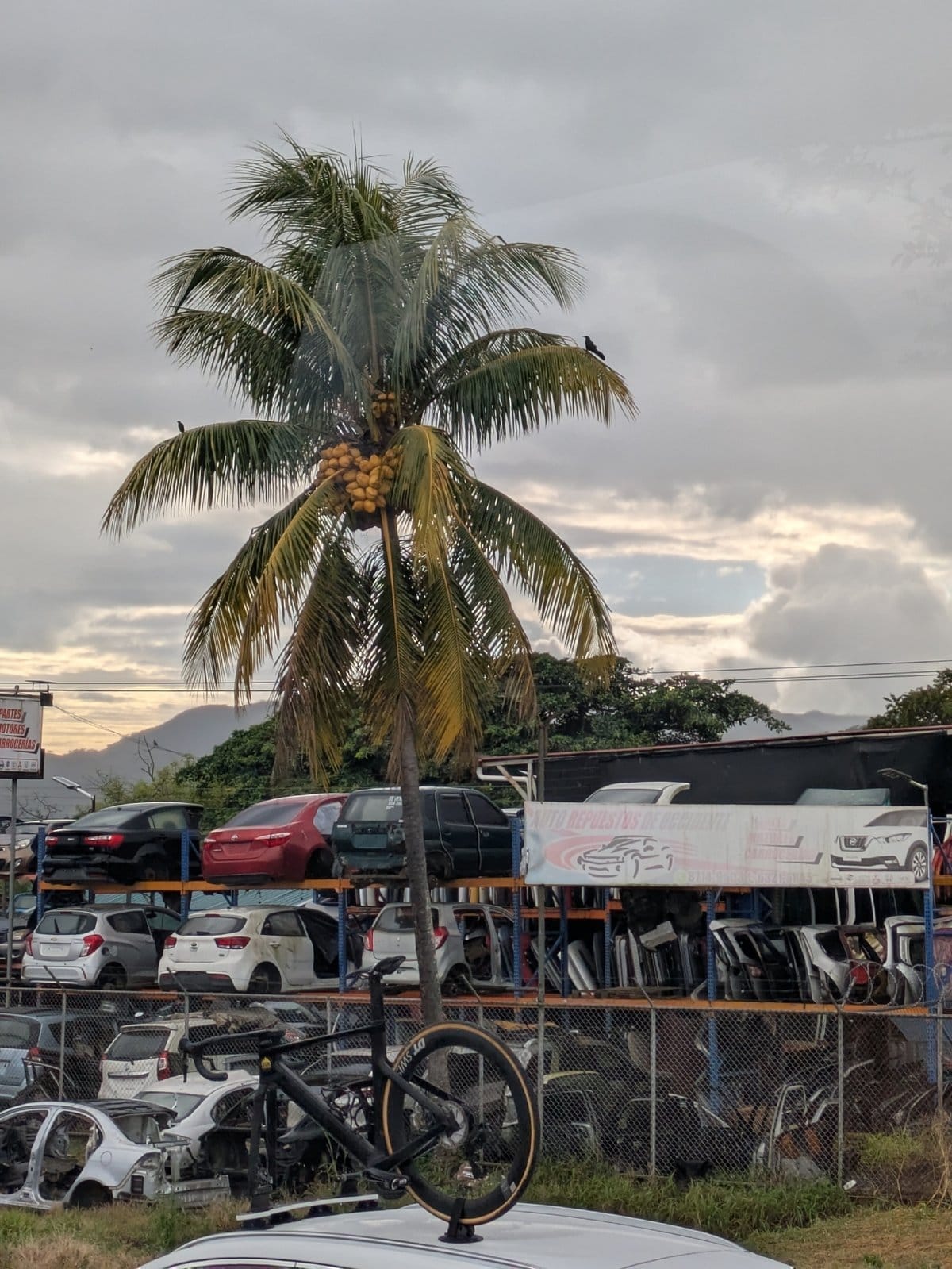
Quick facts
Native Region
Indo-Pacific (naturalized in Americas)
Max Height
20-30 meters (66-100 feet)
Family
Arecaceae
Conservation
NE — Not Evaluated
Uses
Safety Information
Toxicity Details
Coconut fruit, water, and flesh are safe and highly nutritious. No toxic parts. Coconuts are safe for children and pets (though the hard shell and large size require supervision). Coconut allergy exists but is relatively uncommon despite being classified as a tree nut by some regulatory agencies.
Skin Contact Risks
Coconut and its products rarely cause skin reactions. Coconut oil and coconut-based cosmetics are generally well tolerated. Some individuals may develop contact dermatitis from coconut oil in cosmetics, but this is uncommon. The husk fibers (coir) can cause minor mechanical irritation but are not chemically irritating.
Allergenic Properties
Coconut allergy is uncommon (estimated 0.5% of population) and is often less severe than other tree nut allergies. Many people with tree nut allergies can safely consume coconut. However, severe reactions including anaphylaxis can occur in truly allergic individuals. Cross-reactivity with other tree nuts is variable. Coconut is botanically a drupe, not a true nut, but regulatory agencies often classify it as a tree nut for labeling purposes.
Structural Hazards
PRIMARY HAZARD: FALLING COCONUTS. Mature coconuts weigh 1-4 kg (2-9 lbs) and fall from heights of 20-30 meters. Falling coconuts cause serious injuries and occasional fatalities - estimated 150 deaths per year worldwide. Coconuts can fall at any time but risk increases during storms and high winds. Fronds (leaves) also fall and can cause injury - each frond weighs 5-25 kg. NEVER park vehicles or place seating directly under coconut palms. In public areas, regular harvesting of mature coconuts is essential. Coastal resorts often remove coconuts when green to prevent injury.
Season
Flowering
Jan-Dec
Fruiting
Jan-Dec
How to identify
Coco (Coconut Palm)
Coco (Cocos nucifera) is often called the "Tree of Life" because every part of the palm can be used. Along Costa Rica's beautiful coastlines, coconut palms define the tropical landscape and provide essential resources to coastal communities.
Quick Reference
iNaturalist Observations
Community-powered species data
📸 Photo Gallery
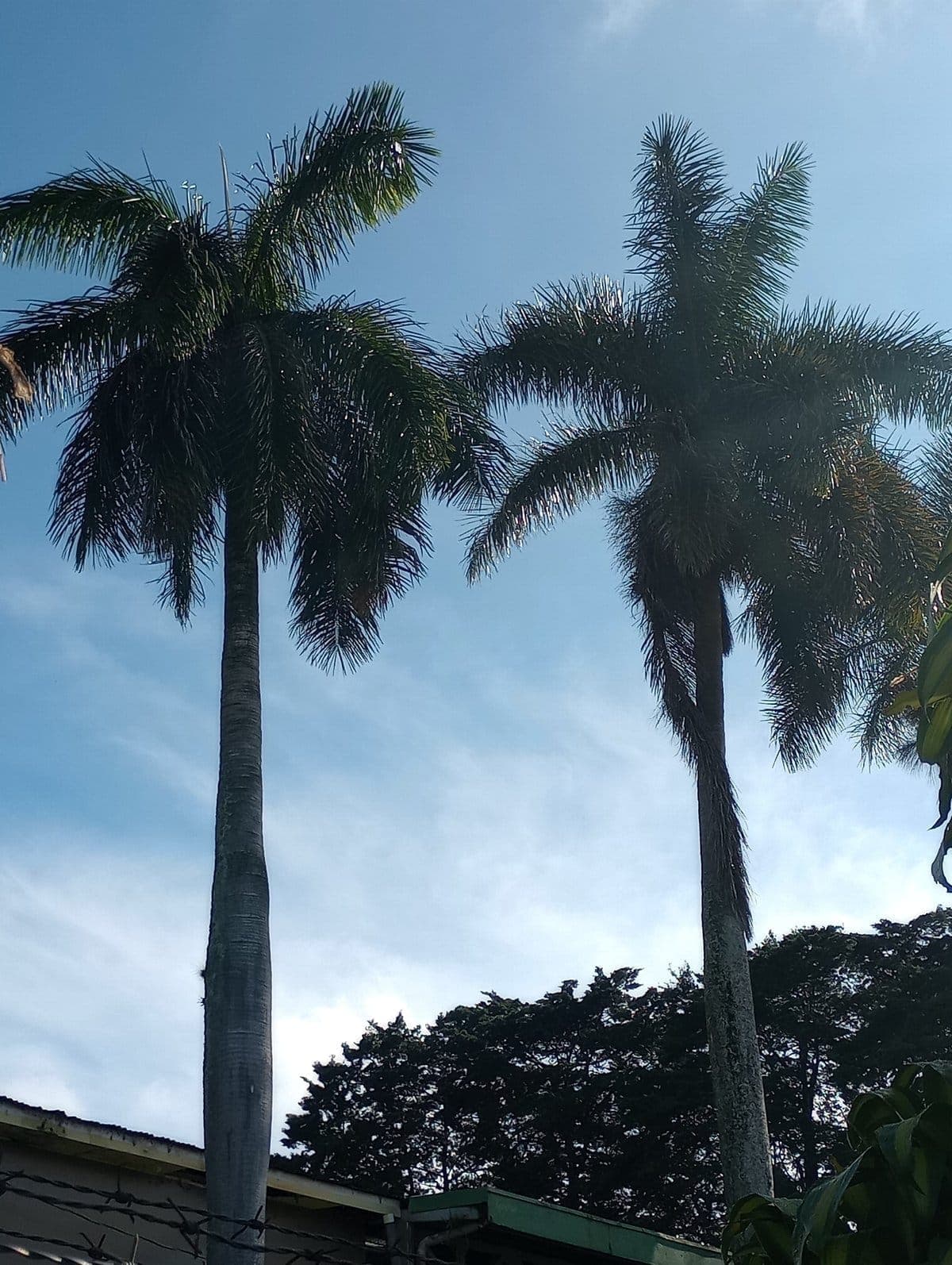
Whole tree
📷 (c) Andrew & Elizabeth Nicosia/Gargiulo, some rights reserved (CC BY-NC)(CC BY-NC)
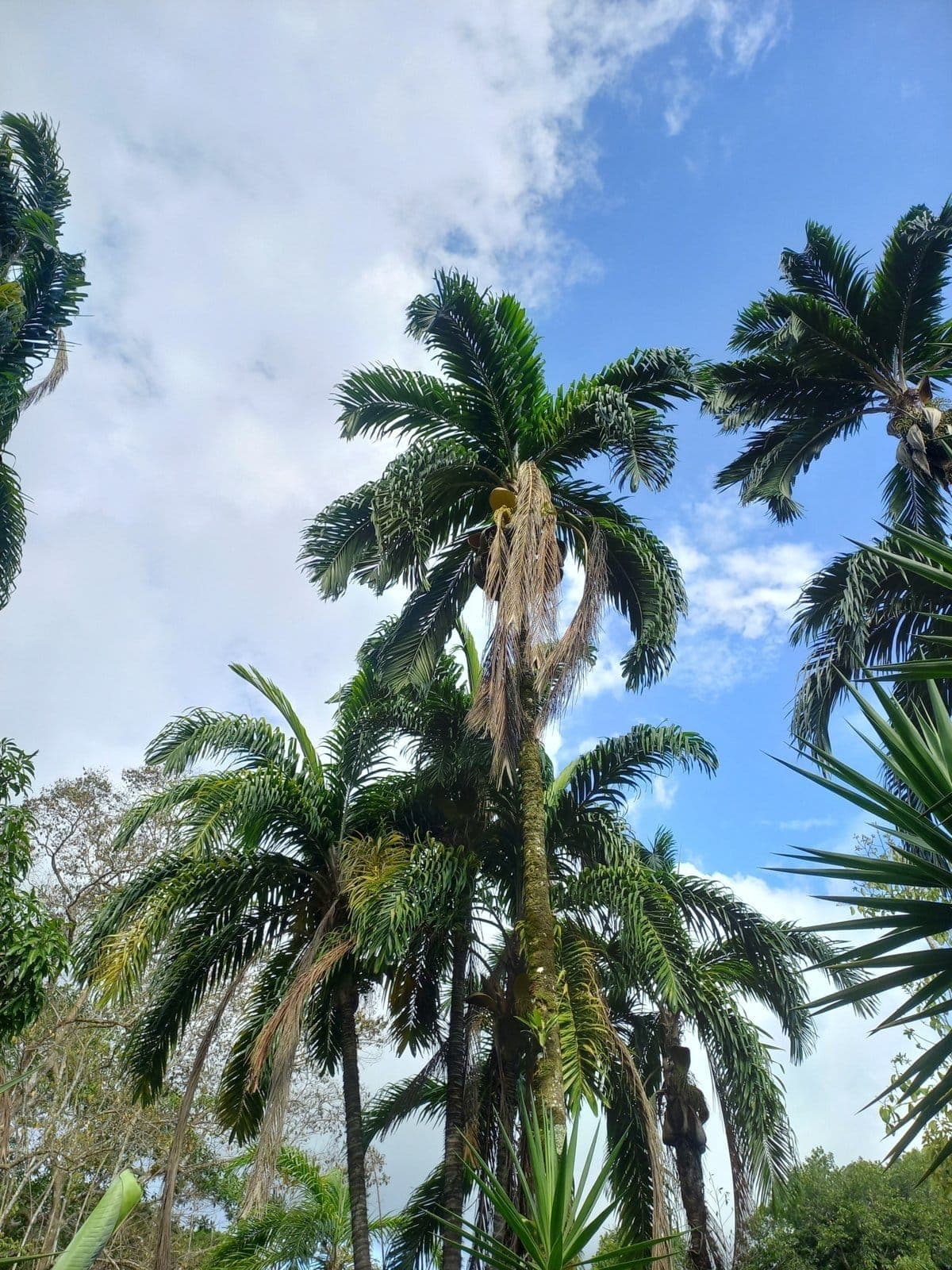
View source ↗Leaves
📷 (c) Akiva, some rights reserved (CC BY-SA)(CC BY-NC)
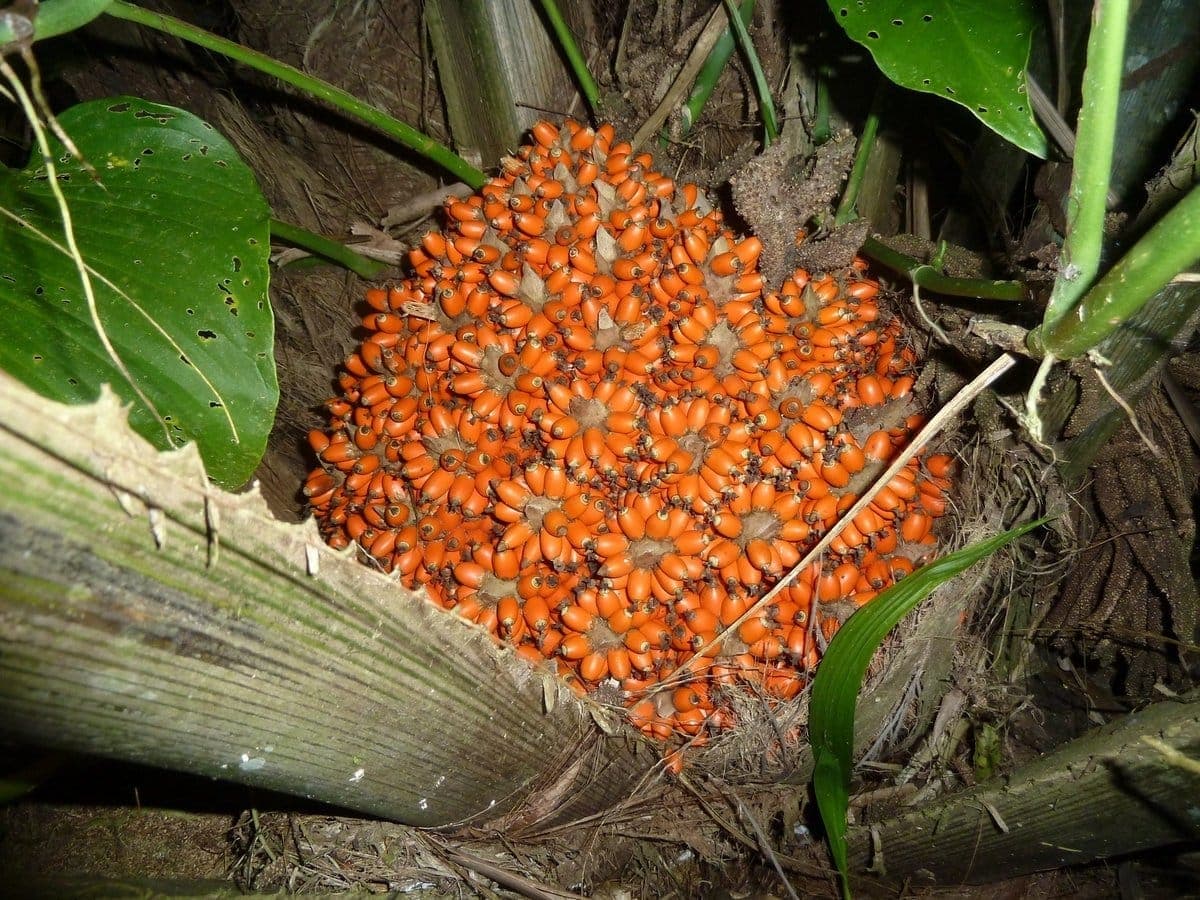
View source ↗Whole tree
📷 (c) Akiva, some rights reserved (CC BY-SA)(CC BY-NC)
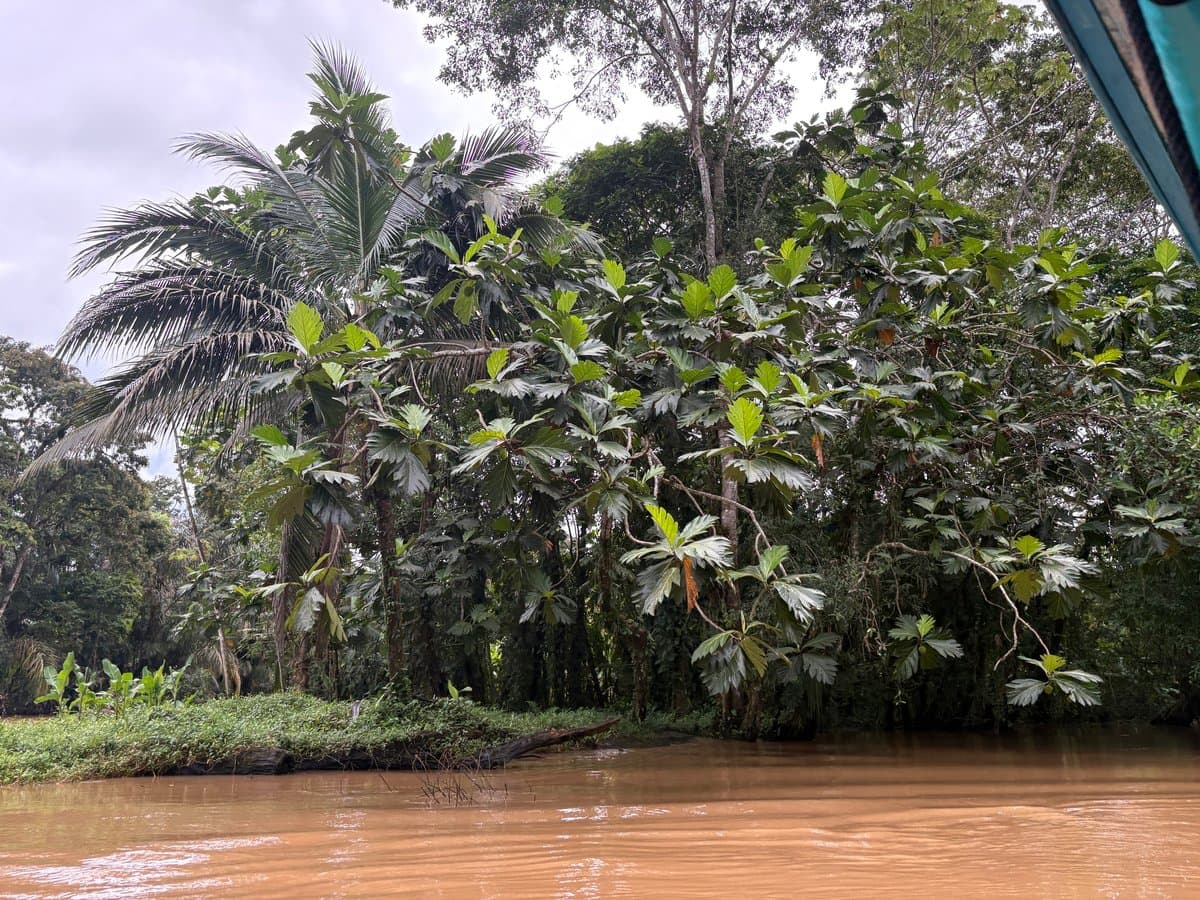
View source ↗Leaves
📷 (c) Thomas Shahan, some rights reserved (CC BY-NC)(CC BY-NC)
View source ↗Whole tree
📷 (c) nancyluna44, some rights reserved (CC BY-NC)(CC BY-NC)
View source ↗Photos sourced from iNaturalist's community science database. Browse all observations →↗
Taxonomy & Classification
Geographic Distribution
Geographic Distribution
Where to Find Coconut Palms in Costa Rica
Primary Habitats:
Elevation: Sea level to ~600 m (best below 300 m)
Habitat & Ecology
Ecological Adaptations
The coconut palm is remarkably adapted to coastal environments:
Wildlife Associations
Animals associated with coconut palms:
Coconuts can float in seawater for months and still germinate when they wash ashore, which explains their pantropical distribution. This remarkable adaptation made coconuts one of nature's most successful colonizers of tropical coastlines.
Botanical Description
Uses & Applications
In tropical cultures, the coconut palm provides virtually everything needed for life: food, drink, oil, shelter materials, utensils, fuel, and income. No other tree offers such diversity of products.
Cultural Significance
Coconut in Costa Rican Culture
Traditional Uses:
Growing Coconut Palms
Where to See Coconut Palms
Best Locations in Costa Rica
Caribbean Coast:
Pacific Coast:
External Resources
Community observations, photos, and distribution data
Global observations
Authoritative taxonomic information from Kew
Royal Botanic Gardens, Kew
Global biodiversity occurrence data and distribution maps
Conservation status and species assessment
References
📚 Scientific References & Further Reading
Harries, H.C. (1978). The Evolution, Dissemination and Classification of Cocos nucifera L.. Botanical Review 44(3):265-319
Gunn, B.F. et al. (2011). Independent Origins of Cultivated Coconut in the Old World Tropics. PLoS ONE 6(6):e21143
The Coconut Palm (Cocos nucifera) is inseparable from Costa Rica's coastal identity. From the Caribbean shores of Limón to the Pacific beaches of Guanacaste, these graceful palms provide shade, sustenance, and that quintessential tropical atmosphere that draws visitors from around the world.
🥥 ¡Pura Vida!
Safety Information Disclaimer
Safety information is provided for educational purposes only. Individual reactions may vary significantly based on age, health status, amount of exposure, and individual sensitivity. Always supervise children around plants. Consult a medical professional or certified arborist for specific concerns. The Costa Rica Tree Atlas is not liable for injuries or damages resulting from interaction with trees described in this guide.
• Always supervise children around plants
• Consult medical professional if unsure
• Seek immediate medical attention if poisoning occurs
Information compiled from authoritative toxicology sources, scientific literature, and medical case reports.
Help improve this page
Know something about this tree? Share local knowledge, suggest a correction, or submit a photo to improve this guide for everyone.