Ira Rosa
Brownea macrophylla
Quick facts
Native Region
Central America to northern South America
Max Height
15-25 meters (50-80 feet)
Family
Fabaceae
Conservation
LC — Least Concern
Uses
Safety Information
Toxicity Details
Ira Rosa is non-toxic and safe for humans and animals. Member of the legume family (Fabaceae). No toxic compounds reported in flowers, leaves, or seeds. Safe for ornamental use in all settings.
Skin Contact Risks
No known skin contact risks. Flowers and leaves are safe to touch.
Allergenic Properties
Low allergen risk. Pollen is primarily bird-pollinated (hummingbirds, bats), not wind-dispersed, so minimal allergy concerns.
Wildlife & Pet Risks
Safe for all wildlife. Flowers are major food source for hummingbirds, bees, and nectar-feeding bats. Pods and seeds eaten by various animals without ill effects.
Season
Flowering
Feb-May
Fruiting
Jun-Sep
How to identify
Ira Rosa
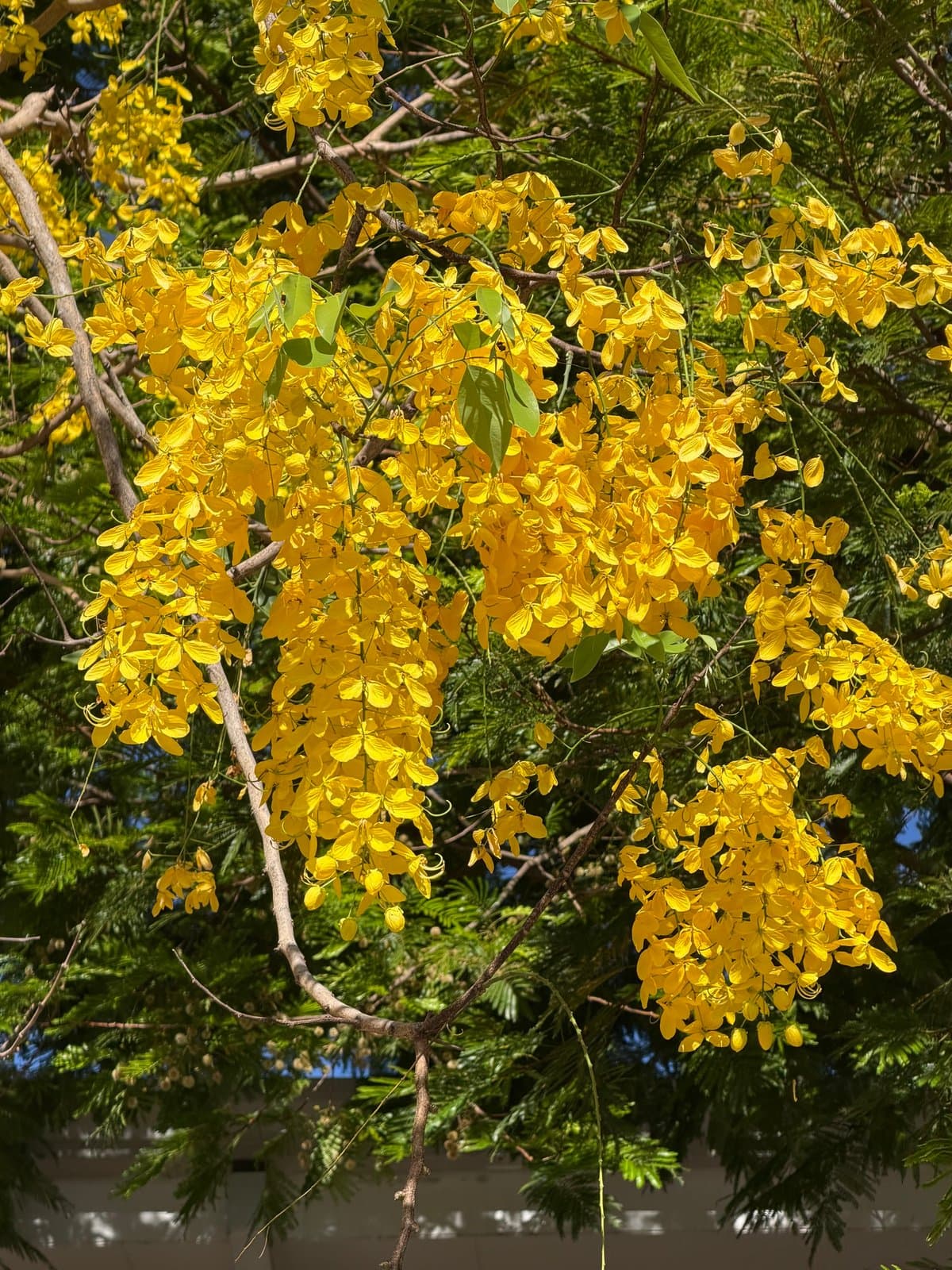
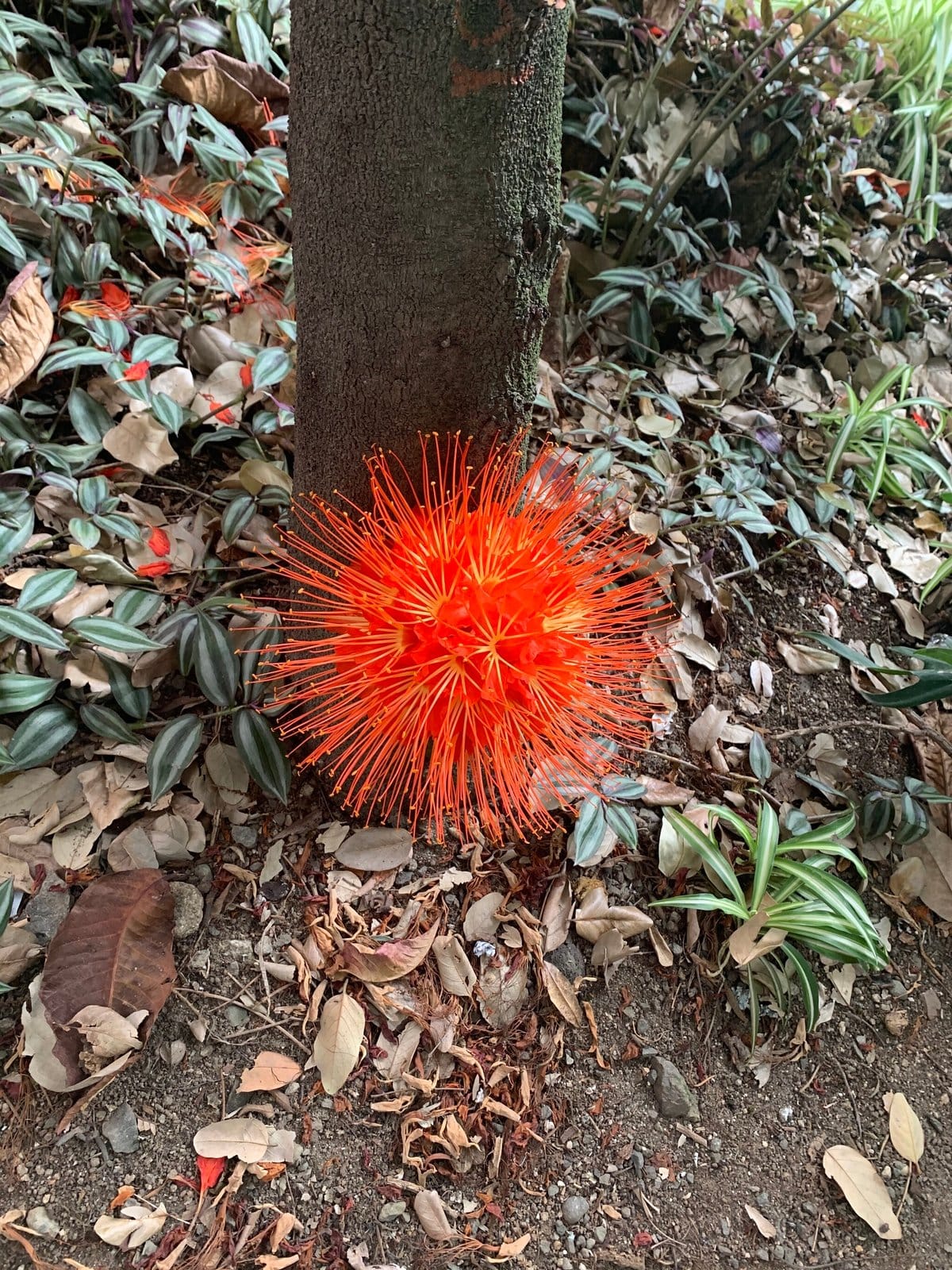
Ira Rosa (Brownea macrophylla) is one of the most spectacular flowering trees of the Neotropics. Its enormous clusters of bright red-orange flowers emerge directly from the trunk and branches in a phenomenon called cauliflory, creating a breathtaking natural display that makes this tree a prized ornamental throughout the tropics. When in full bloom, the entire trunk can be covered in flaming flower clusters visible from a distance.
Quick Reference
iNaturalist Observations
Community-powered species data
📸 Photo Gallery
Whole tree
📷 (c) maggiedb01, some rights reserved (CC BY-NC)(CC BY-NC)
View source ↗Leaves
📷 (c) Agustina Ascani, some rights reserved (CC BY-NC)(CC BY-NC)
View source ↗Whole tree
📷 (c) Ryan Littman-Quinn, some rights reserved (CC BY-NC)(CC BY-NC)
View source ↗Whole tree
📷 (c) María Fernández González, some rights reserved (CC BY-NC)(CC BY-NC)
View source ↗Whole tree
📷 (c) Tristan Jobin, some rights reserved (CC BY)(CC BY)
View source ↗→ View more photos on iNaturalist↗
Taxonomy & Classification
Common Names by Region
Etymology
The genus name Brownea honors Patrick Browne (1720-1790), an Irish physician and botanist who studied the flora of Jamaica and published the influential "Civil and Natural History of Jamaica" (1756). The species epithet macrophylla comes from Greek makros (large) + phyllon (leaf), referring to the tree's large compound leaves with big leaflets.
Related Species
The genus Brownea contains about 20-25 species of tropical trees, several of which are notable for spectacular flowers:
- Brownea grandiceps: Similar but with even larger flower heads
- Brownea rosa-de-monte: Venezuelan relative
- Brownea ariza: Red flowers, found in Colombia and Venezuela
Physical Description
Tree Form
Ira Rosa is a medium-sized evergreen tree typically reaching 15-25 meters in height with a trunk diameter of 30-50 cm. The tree has an elegant form:
- Trunk: Straight, relatively slender, smooth gray-brown bark
- Crown: Rounded to spreading, moderately dense canopy
- Branching: Upright to spreading branches, often layered
- Growth Pattern: Evergreen; maintains foliage year-round
Bark Characteristics
- Smooth to slightly rough texture
- Gray-brown to dark gray color
- Becomes slightly fissured with age but remains relatively smooth
- Lenticels (breathing pores) visible on younger bark
- Flowers emerge directly from bark on trunk and older branches
Leaves
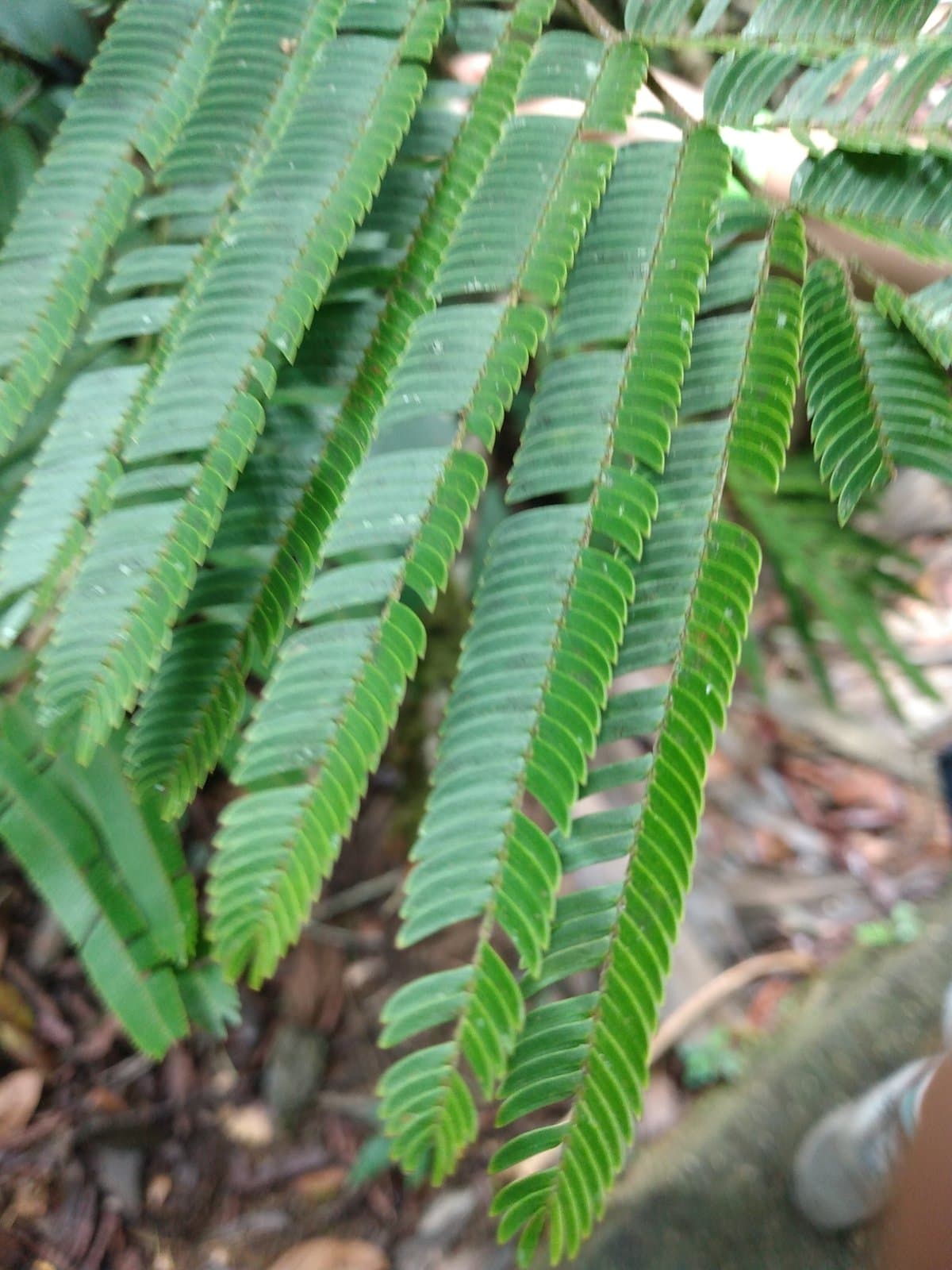
Detail: Each compound leaf consists of 6-16 pairs of large, opposite leaflets arranged along a central rachis. Leaflets are elliptic to oblong, 8-15 cm long, with smooth margins and a slightly asymmetric base. The upper surface is dark green and glossy, while the lower surface is paler. New leaves emerge in a spectacular display—they hang limp like colorful pendants, starting pink or bronze, gradually turning green and stiffening as they mature over several days. This "pink leaf" stage is a distinctive feature of Brownea species.
Flowers
Description: The flowers are the tree's most spectacular feature. They are produced in large, dense, spherical clusters (capitula) 20-30 cm in diameter that emerge directly from the trunk and older branches—a phenomenon called cauliflory. Each cluster contains numerous individual tubular flowers, each 3-5 cm long, bright red to red-orange in color. The long stamens project beyond the flower tubes, creating a bottle-brush appearance. Flowers have a subtle sweet fragrance and produce nectar that attracts pollinators. The floral display can last several weeks, and a mature tree may produce dozens of flower clusters simultaneously, covering the trunk in flames of red.
Fruit & Seeds
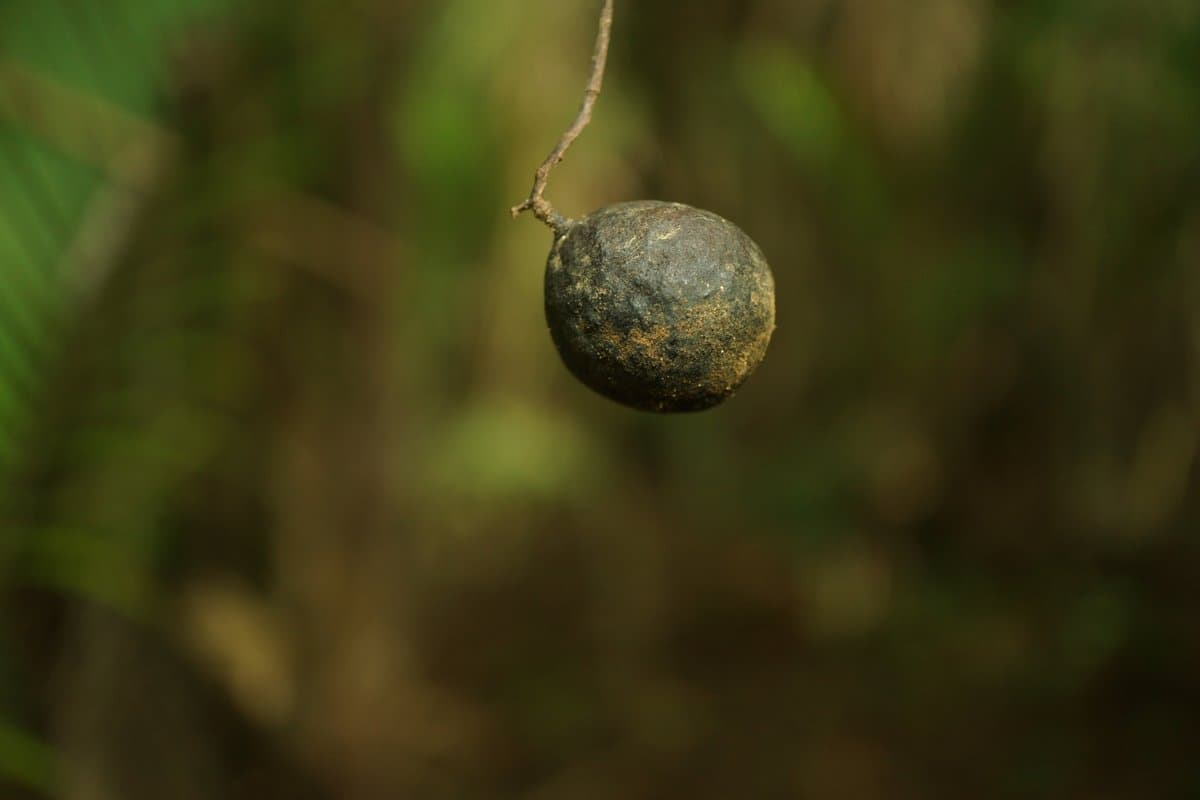
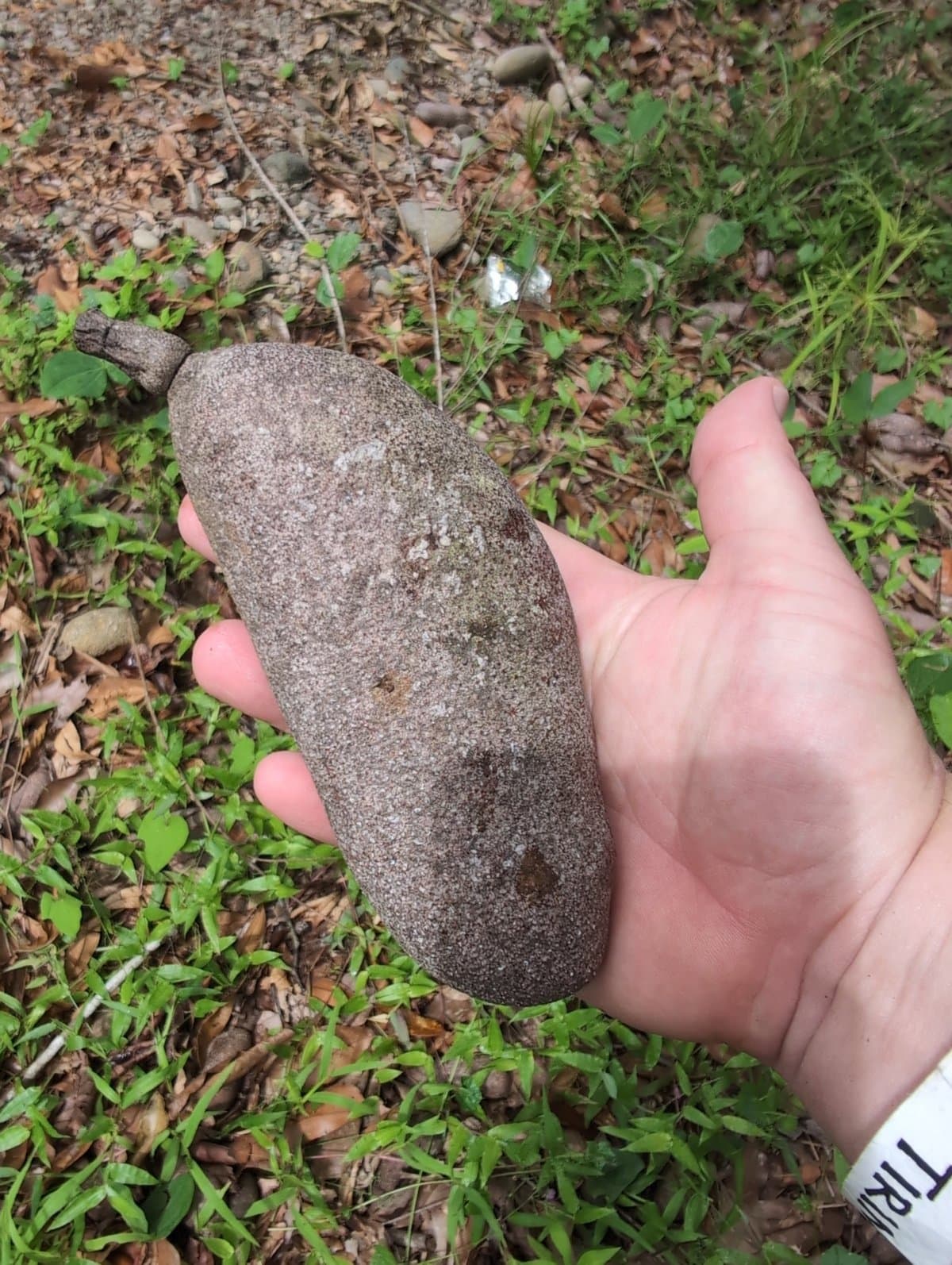
- Type: Flattened legume pod (typical of Fabaceae family)
- Size: 15-25 cm long, 4-6 cm wide
- Color: Green when young, turning brown when mature
- Opening: Splits along two sutures when ripe
- Seeds: 3-8 large, flat, brown seeds per pod
- Season: June-September
Geographic Distribution
Native Range
Brownea macrophylla is native to Central America (Costa Rica, Panama) and northern South America (Colombia, Venezuela, Ecuador), where it grows naturally in lowland and premontane rainforests. Its spectacular flowers have led to its cultivation throughout the tropics worldwide.
Distribution in Costa Rica
In Costa Rica, Ira Rosa occurs naturally in:
- Caribbean Lowlands: Limón province rainforests
- Northern Lowlands: San Carlos, Sarapiquí region
- Pacific Southwest: Osa Peninsula, Golfo Dulce area
- Cultivated: Widely planted ornamentally in suitable climate zones throughout the country
Habitat & Ecology
Ecological Role
In its natural rainforest habitat, Ira Rosa plays important ecological functions:
- Pollinator Support: Major nectar source for hummingbirds, bats, and bees during flowering season
- Canopy Layer: Forms part of the mid-canopy in mature forests
- Wildlife Food: Seeds consumed by various mammals and birds
- Forest Regeneration: Relatively shade-tolerant as a young tree; can regenerate in forest gaps
Wildlife Associations
Cauliflory: Trunk Flowering
The phenomenon of cauliflory—flowers emerging directly from the trunk and older branches rather than from twig tips—is an adaptation common in tropical rainforest understory and mid-canopy trees. Proposed advantages include:
- Pollinator Access: Large pollinators (bats, large birds) can more easily access flowers on sturdy trunks
- Visibility: Flowers on bare trunk are more visible in dense forest
- Resource Allocation: Older woody tissue can support heavy flower and fruit clusters
Uses & Applications
Ornamental Horticulture
Ira Rosa is highly valued as an ornamental tree throughout the tropics:
Landscape Uses:
- Specimen Tree: Stunning focal point in gardens and parks
- Avenue Planting: Street tree where overhead space allows
- Public Spaces: Parks, botanical gardens, resort landscaping
- Wildlife Gardens: Excellent for hummingbird and pollinator gardens
- Tropical Gardens: Iconic tropical aesthetic
Horticultural Characteristics:
- Spectacular floral display lasting several weeks
- Evergreen foliage provides year-round green
- Relatively manageable size (not overly large)
- Pink emerging leaves add seasonal interest
- Attracts wildlife without creating mess or hazard
Notable Plantings:
- Featured in botanical gardens throughout Central and South America
- Common ornamental in lowland tropical regions
- Popular in hotel and resort landscaping
Traditional Uses
Conservation Value
- Reforestation: Used in restoration projects to add native diversity and aesthetic appeal
- Pollinator Conservation: Supports populations of nectar-feeding wildlife
- Educational: Helps people appreciate value of native tropical trees
Cultural & Historical Significance
Discovery and Naming
The genus Brownea was named in honor of Patrick Browne, an 18th-century Irish physician and botanist who was one of the first to scientifically document the flora of the Caribbean and Central America. The spectacular flowers of Brownea species quickly caught the attention of European botanists and horticulturists.
In Costa Rican Culture
Ira Rosa holds a special place in Costa Rica's appreciation of its native flora:
- Often planted in public spaces and national parks
- Featured in botanical education about rainforest diversity
- Symbol of the country's incredible floral biodiversity
- Popular subject for nature photography
Horticultural History
- Introduced to cultivation in Europe in the 19th century
- Became popular in tropical botanical collections worldwide
- Now widely cultivated in frost-free tropical and subtropical regions
- Remains a sought-after specimen tree for tropical gardens
Conservation Status
Least Concern
IUCN Red List Status
IUCN Assessment
Brownea macrophylla is assessed as Least Concern (LC) by the IUCN due to:
- Moderately wide distribution across Central and northern South America
- Occurrence in multiple protected areas
- Ability to tolerate some habitat disturbance
- Widespread cultivation reduces extinction risk
Threats & Challenges
Despite its Least Concern status, the species faces pressures:
- Habitat Loss: Deforestation of lowland rainforests throughout its range
- Fragmentation: Isolation of populations affects gene flow and pollinator networks
- Climate Change: Shifts in rainfall patterns may affect suitable habitat
- Over-collection: Wild specimens sometimes removed for ornamental use
Protection Status
- Costa Rica: Occurs in multiple national parks and reserves (Tortuguero, Corcovado, La Selva, Braulio Carrillo, others)
- Regional: Protected in reserves throughout Central and South America
- Cultivation: Widespread ornamental use provides ex-situ conservation
Sources: IUCN Red List search↗, GBIF species profile↗, Tropicos↗, iNaturalist observations↗
Growing Ira Rosa
Propagation
From Seed:
- Collect mature brown pods from tree (June-September)
- Remove seeds from pods—large, flat, brown seeds
- Seeds have hard seed coat; scarify (nick or file) for faster germination
- Soak scarified seeds in water 24 hours before planting
- Plant in well-draining potting mix, barely covering seeds
- Keep warm (25-30°C) and moist
- Germination occurs in 2-3 weeks
- Seedlings grow moderately fast with good care
From Cuttings:
- Use semi-hardwood cuttings from recent growth
- Treat with rooting hormone
- Place in moist, well-draining medium under mist or humidity dome
- Success rate moderate; be patient
Air Layering:
- Reliable method for getting larger plants faster
- Select healthy branch 1-2 cm diameter
- Make wound, apply rooting hormone, wrap with moist sphagnum moss
- Roots form in 2-3 months
- Cut below roots and plant
Site Requirements
Where to Plant:
- ✅ Warm, humid lowland and premontane zones
- ✅ Protected locations with consistent moisture
- ✅ Parks, gardens, and public spaces for maximum appreciation
- ✅ Locations where trunk flowers can be easily viewed
- ❌ Cold highland areas (sensitive to frost)
- ❌ Very dry regions without irrigation
Planting & Establishment
- Timing: Plant at beginning of rainy season (May) for best establishment
- Spacing: 10-15 m from buildings and other trees for full development
- Soil Preparation:
- Dig large planting hole 2x root ball size
- Amend with compost or organic matter
- Ensure good drainage
- Planting Depth: Plant at same depth as in container
- Initial Care:
- Water deeply and regularly, especially first 2 years
- Mulch around base to retain moisture
- Stake if needed in windy locations
Growth & Maintenance
Watering:
- Young trees: Water 2-3 times weekly during dry periods
- Established trees: Weekly deep watering in dry season
- Maintain consistent moisture; do not allow to fully dry out
Fertilizing:
- Apply balanced fertilizer 3-4 times per year
- Or top-dress with compost annually
- Additional fertilization promotes more vigorous flowering
Pruning:
- Minimal pruning needed
- Remove dead or crossing branches
- IMPORTANT: Flowers emerge from old wood on trunk and branches—avoid excessive pruning of main trunk and scaffold branches
- Shape when young to develop good structure
- Prune after flowering if needed
Pest Management:
- Monitor for leaf-cutting ants on young trees—protect if necessary
- Occasionally attacked by caterpillars—usually not serious
- Generally pest-resistant
Time to Flowering
- Trees grown from seed begin flowering at 5-8 years
- May take 10+ years to produce spectacular displays
- Grafted or air-layered trees may flower sooner
- Peak flowering occurs on mature trees 15+ years old
Where to See Ira Rosa in Costa Rica
Botanical Gardens & Public Spaces
Best Time to Visit
Peak Flowering: February through May, with March-April being the peak in most locations. Individual trees may flower at slightly different times within this window.
Identification Tips
When looking for Ira Rosa:
- Flowers are unmistakable: Large red-orange spherical clusters on trunk = definitely Brownea species
- Large compound leaves: Fewer, larger leaflets than many other legumes
- Smooth grayish bark: Relatively smooth bark with flowers emerging directly from it
- Pink new leaves: Look for hanging, limp, pink new leaves—a distinctive feature
- Rainforest habitat: In natural settings, found in moist lowland to premontane forests
External Resources
Community observations, photos, and distribution maps
Botanical database with nomenclature and specimens
Global occurrence data and biodiversity information
Species information for agroforestry
Conservation status and species assessment
References
📚 Scientific References & Further Reading
Zamora, N., Hammel, B.E., and Grayum, M.H. (2004). Fabaceae (Caesalpinioideae). Manual de Plantas de Costa Rica, Vol. 5
Janzen, D.H. (1983). Costa Rican Natural History. University of Chicago Press
Haber, W.A., et al. (2000). An Introduction to Cloud Forest Trees: Monteverde, Costa Rica. Mountain Gem Publications
Gilman, E.F. and Watson, D.G. (1993). Brownea grandiceps: Panama Flame Tree. Fact Sheet ST-101, Environmental Horticulture Department, University of Florida[Link ↗]
The Ira Rosa (Brownea macrophylla) is living proof that Costa Rica's rainforests harbor some of the world's most spectacular natural beauty. When this tree bursts into bloom, with its trunk covered in brilliant red-orange flower clusters, it creates a sight that stops visitors in their tracks. Beyond its stunning aesthetic value, it serves critical ecological functions as a food source for hummingbirds, bats, and countless other pollinators. Protecting and planting Ira Rosa helps preserve both the beauty and the biodiversity of Costa Rica's tropical forests.
Safety Information Disclaimer
Safety information is provided for educational purposes only. Individual reactions may vary significantly based on age, health status, amount of exposure, and individual sensitivity. Always supervise children around plants. Consult a medical professional or certified arborist for specific concerns. The Costa Rica Tree Atlas is not liable for injuries or damages resulting from interaction with trees described in this guide.
• Always supervise children around plants
• Consult medical professional if unsure
• Seek immediate medical attention if poisoning occurs
Information compiled from authoritative toxicology sources, scientific literature, and medical case reports.
Help improve this page
Know something about this tree? Share local knowledge, suggest a correction, or submit a photo to improve this guide for everyone.