Camíbar
Copaifera aromatica
Quick facts
Native Region
Central America - Costa Rica and Panama
Max Height
40 m
Family
Fabaceae
Conservation
LC — Least Concern
Uses
Safety Information
Toxicity Details
No known toxicity. The resin has been used safely in traditional medicine for centuries.
Skin Contact Risks
The resin may cause mild skin sensitivity in some individuals. Otherwise, the tree poses no contact hazards.
Allergenic Properties
Pollen may cause mild allergies in sensitive individuals during flowering season.
Season
Flowering
Mar-May
Fruiting
Aug-Oct
How to identify
The Camíbar is one of Costa Rica's most valuable medicinal trees, producing copaiba resin—a traditional remedy used for centuries by indigenous peoples and still valued in modern aromatherapy and alternative medicine. These forest giants can live for hundreds of years.
Quick Reference
Key Facts
iNaturalist Observations
Community-powered species data
📸 Photo Gallery
Whole tree
📷 (c) Bayardo Alberto González Ñamendy, some rights reserved (CC BY-NC)(CC BY-NC)
View source ↗Leaves
📷 (c) Bayardo Alberto González Ñamendy, some rights reserved (CC BY-NC)(CC BY-NC)
View source ↗Whole tree
📷 (c) Jean Carlo Barrantes Rodríguez, some rights reserved (CC BY-NC)(CC BY-NC)
View source ↗Leaves
📷 (c) Bayardo Alberto González Ñamendy, some rights reserved (CC BY-NC)(CC BY-NC)
View source ↗Whole tree
📷 (c) Katerine Rodríguez, some rights reserved (CC BY-NC)(CC BY-NC)
View source ↗Photos sourced from iNaturalist's community science database. Browse all observations →↗
Taxonomy & Classification
Copaifera is a genus of about 40 species of tropical trees found in Central and South America, West and Central Africa, and Borneo. The name means "copal-bearer," referring to the aromatic resins these trees produce. Costa Rica is also home to Copaifera camibar, a closely related species described by Costa Rican botanists Poveda, Zamora, and Sánchez.
Common Names
Physical Description
Overall Form
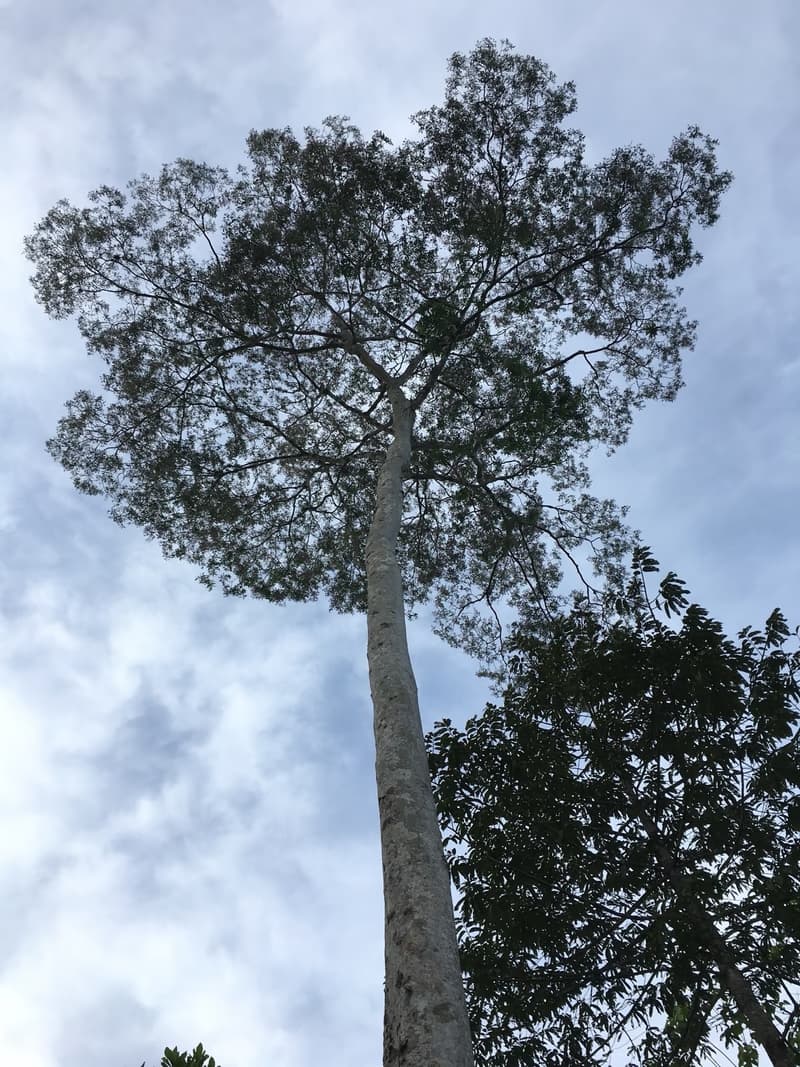
The Camíbar is a majestic emergent tree of Costa Rica's primary rainforests. It towers above the canopy with a straight, cylindrical trunk and a broad, spreading crown. These trees are among the largest in their habitat, reaching heights of 40 meters.
Distinctive Features
Trunk & Bark
- Bark: Gray to brown, rough and fissured
- Wood: Reddish-brown heartwood, fine-grained
- Form: Straight, cylindrical trunk
- Buttresses: Small to moderate at base
- Resin: Aromatic oleoresin exudes from wounds
- Texture: Wood has a silky, golden luster
Leaves
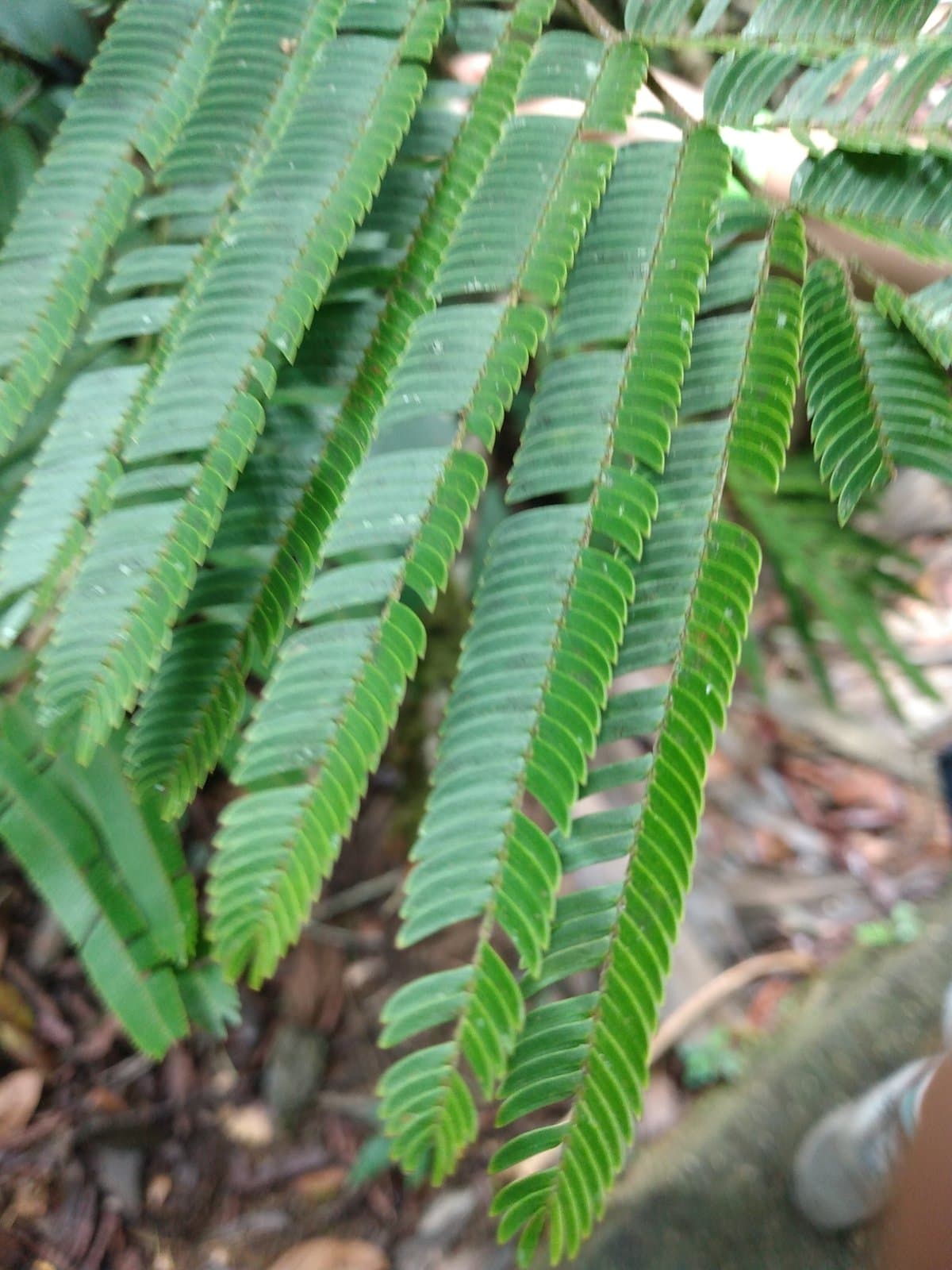
- Type: Even-pinnately compound
- Leaflets: 6-12 pairs, opposite
- Leaflet Shape: Elliptic to oblong
- Size: Leaflets 3-8 cm long
- Texture: Leathery, glossy
- Oil Glands: Translucent dots visible when held to light
Flowers
- Color: White to cream
- Size: Small, about 4-5 mm
- Arrangement: Terminal or axillary panicles
- Season: March to May (Costa Rica)
- Fragrance: Mildly fragrant
- Pollinators: Bees and other insects
Fruits & Seeds
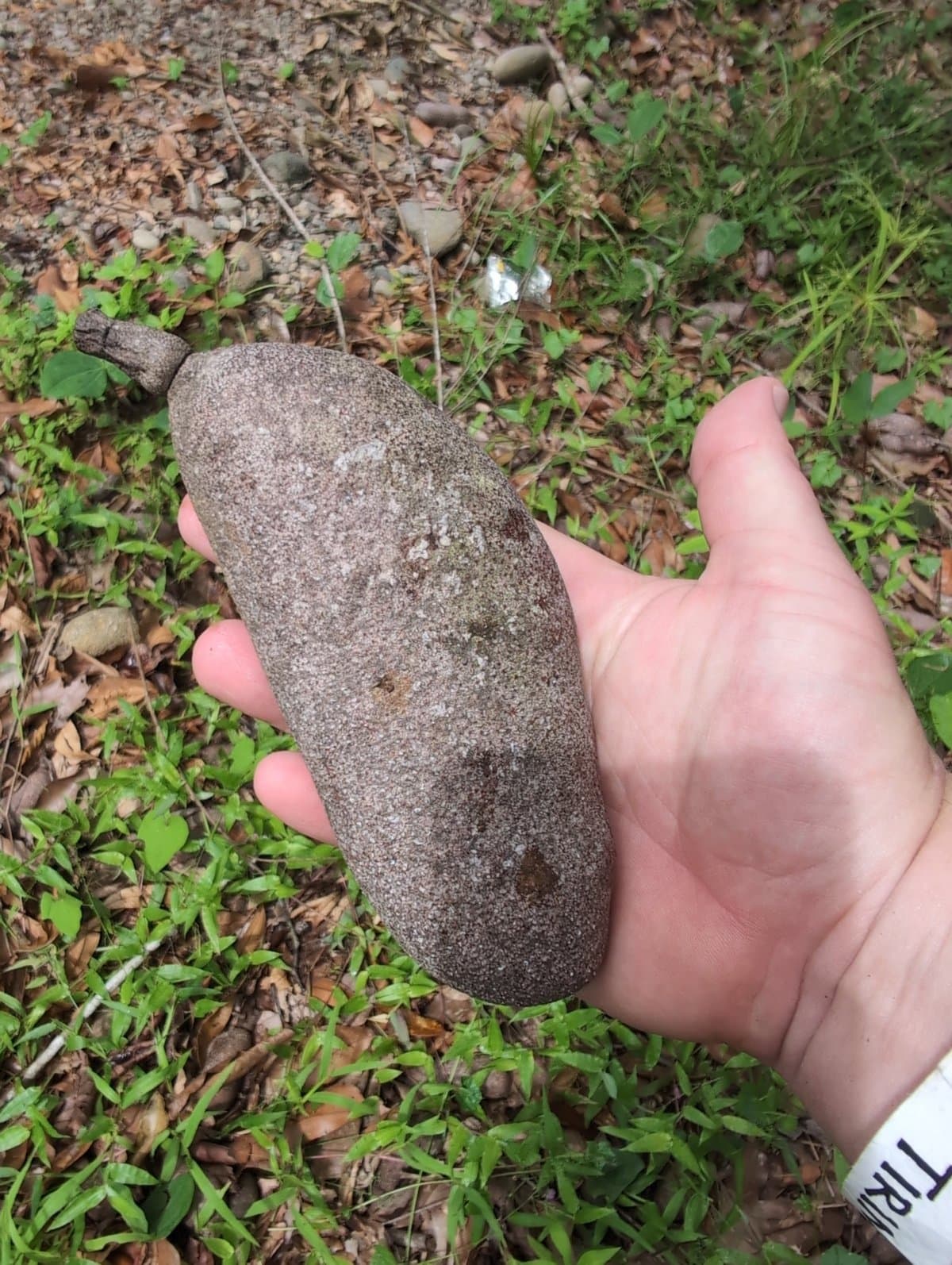
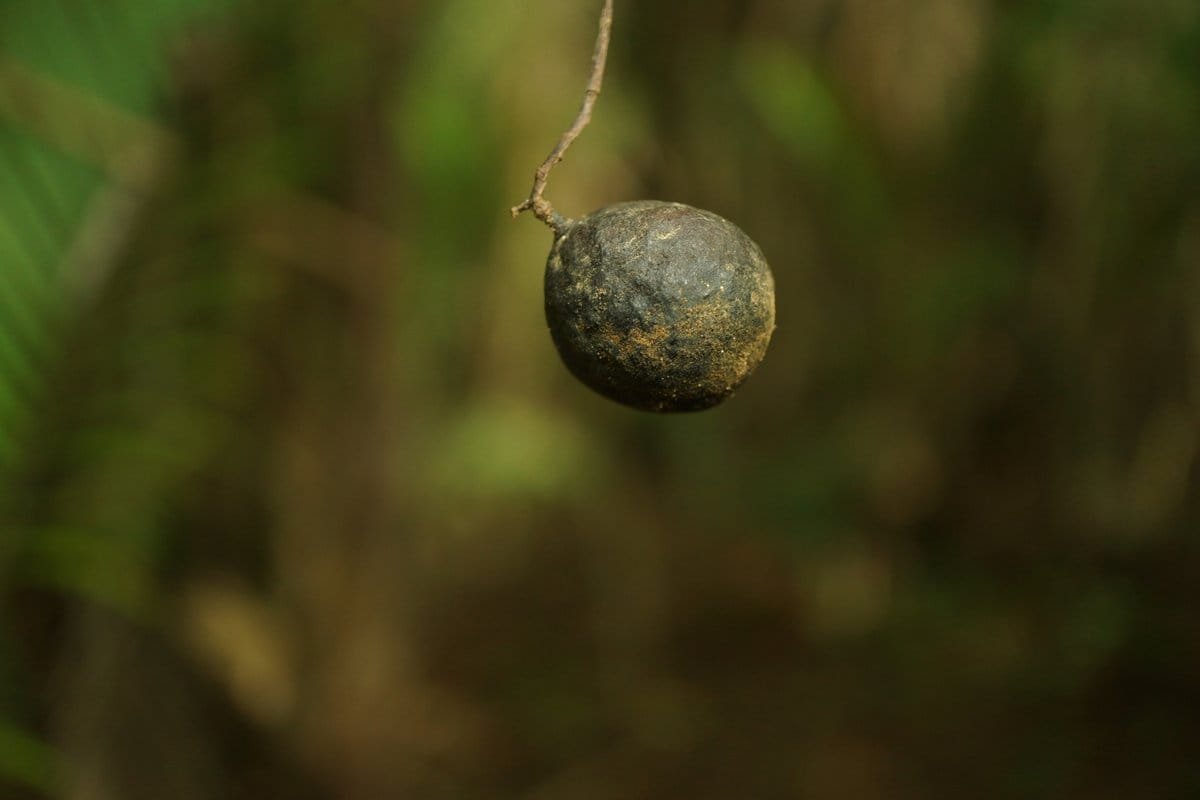
- Type: Flat, leathery pod
- Size: 2-4 cm long
- Shape: Obliquely oblong
- Opening: Splits along one side
- Seeds: Single seed with fleshy aril
- Aril: Orange-red, attractive to birds
- Season: August to October
Look for the compound leaves with numerous small leaflets that have translucent oil glands visible when held up to light. On mature trees, look for old resin tapping scars on the trunk—a sign this valuable tree has been harvested for copaiba resin.
Distribution & Habitat
Native Range
Geographic Distribution
Copaifera aromatica has a relatively restricted natural range, found only in Costa Rica and Panama. Although the species is globally assessed as Least Concern, this limited distribution combined with logging pressure places regional populations under real exploitation risk.
Distribution in Costa Rica
Camíbar is primarily found in the lowland and premontane wet forests of Costa Rica's Caribbean slope and the Osa Peninsula region. It favors ridges and hilltops within primary forest.
Preferred Habitat
Ecological Significance
Rainforest Giant
As an emergent tree that towers above the main canopy, Camíbar plays a crucial role in forest structure. Its crown provides nesting sites for large birds, its flowers feed pollinators, and its fruits nourish forest wildlife. The loss of these forest giants creates gaps in the ecological web.
Wildlife Interactions
Pollinators
- Bees: Primary pollinators of small flowers
- Small insects: Various visitors
- Wind: May assist in pollen movement
Seed Dispersers
- Birds: Attracted to orange-red aril
- Monkeys: Consume and disperse seeds
- Gravity: Seeds fall near parent tree
Ecological Relationships
- Nitrogen fixation: As a legume, may fix atmospheric nitrogen
- Mycorrhizae: Forms beneficial fungal associations
- Epiphytes: Large crowns host orchids, bromeliads
- Cavity nesters: Old trees provide nesting habitat
Forest Structure
- Emergent layer: Provides forest structure
- Microhabitats: Crown supports diverse communities
- Carbon storage: Massive trunks store significant carbon
Cultural & Economic Importance
The Sacred Copaiba Resin
Medicinal Resin Heritage
Copaiba resin (oleoresin) has been harvested from Camíbar and related species for centuries. Indigenous peoples of Central and South America used it as a remedy for wounds, infections, and inflammatory conditions. Today, copaiba oil is valued in aromatherapy, natural cosmetics, and alternative medicine worldwide. The resin contains sesquiterpenes with documented anti-inflammatory and antimicrobial properties.
Historical Uses
Uses Table
How Copaiba Resin is Harvested
Copaiba resin is traditionally harvested by drilling a hole into the trunk of the tree, allowing the oleoresin to flow out. A single tree can yield several liters of resin per tapping session, and the same tree can be tapped repeatedly over many years without killing it—provided sustainable practices are followed.
Sources: IUCN Red List↗, GBIF↗, POWO (Kew)↗, Arruda et al. review↗
Conservation Status
Current Assessment
Conservation Status
Conservation Concerns
Although Copaifera aromatica is globally classified as Least Concern, its narrow regional range and the value of both its timber and resin make Costa Rican populations particularly vulnerable to overexploitation. The global IUCN status does not capture this regional pressure.
- Selective logging: Large trees targeted for valuable timber
- Resin overexploitation: Unsustainable tapping practices
- Habitat loss: Deforestation reduces available habitat
- Limited range: Found only in Costa Rica and Panama
- Slow reproduction: Long time to reach maturity
Conservation Actions
Cultivation & Propagation
Growing Camíbar
Propagation Methods
From Seeds (Primary Method)
- Collect fresh seeds when pods split (Aug-Oct)
- Remove the fleshy aril immediately
- Plant within 1-2 weeks (seeds lose viability quickly)
- Sow in nursery beds or containers
- Light soil coverage
- Keep moist but not waterlogged
- Germination in 20-40 days
- Transplant at 30-50 cm height
Key Considerations
- Seeds have short viability—plant fresh
- Seedlings benefit from partial shade initially
- Very slow growth requires patience
Growing Conditions
Challenges
- Extremely slow growth limits commercial interest
- Requires humid tropical climate
- Best suited for conservation plantings, not commercial forestry
- Protect young trees from sun scorch
Camíbar is best suited for enrichment planting in existing secondary forests or protected areas where it will be preserved long-term. Its slow growth makes it unsuitable for commercial timber plantations, but it is invaluable for restoring natural forest ecosystems and preserving this important medicinal species.
Identification Guide
How to Identify Camíbar
Where to See Camíbar in Costa Rica
Safety Information
Safety Overview
SafeCamíbar poses no significant safety hazards. The tree, its wood, and its resin are all considered safe when used appropriately. The copaiba resin has centuries of documented safe traditional use, though modern users should follow product guidelines and consult healthcare providers for medicinal applications.
Sources: IUCN Red List↗, GBIF↗, POWO (Kew)↗, Biomedicine & Pharmacotherapy review↗
External Resources
Community observations and photos
Botanical database record
Kew botanical database
Global biodiversity occurrence data and distribution maps
Conservation status and species assessment
References
📚 Scientific References & Further Reading
Dwyer, J.D. (1954). The tropical American genus Copaifera
Holdridge, L.R. & Poveda, L.J. (1975). Árboles de Costa Rica Vol. 1
Useful Tropical Plants Database (2024). Copaifera aromatica
Arruda, C. et al. (2019). Occurrence, chemical composition, biological activities on Copaifera genus—A review
When you encounter a Camíbar in the rainforest, you're standing before a living pharmacy—a tree that has provided medicine to humans for millennia. These magnificent giants take decades to reach maturity, yet they can be felled in minutes. Support conservation efforts to ensure that future generations can benefit from both the beauty and the healing properties of this remarkable species.
Safety Information Disclaimer
Safety information is provided for educational purposes only. Individual reactions may vary significantly based on age, health status, amount of exposure, and individual sensitivity. Always supervise children around plants. Consult a medical professional or certified arborist for specific concerns. The Costa Rica Tree Atlas is not liable for injuries or damages resulting from interaction with trees described in this guide.
• Always supervise children around plants
• Consult medical professional if unsure
• Seek immediate medical attention if poisoning occurs
Information compiled from authoritative toxicology sources, scientific literature, and medical case reports.
Help improve this page
Know something about this tree? Share local knowledge, suggest a correction, or submit a photo to improve this guide for everyone.