Ajo
Caryocar costaricense
Quick facts
Native Region
Costa Rica to Venezuela
Max Height
35-50 meters (115-165 feet)
Family
Caryocaraceae
Conservation
EN — Endangered
Uses
Safety Information
Toxicity Details
Ajo is non-toxic. The large nuts (seeds) are edible, nutritious, and have been consumed by indigenous peoples for centuries. The nuts are rich in protein and oil (similar to Brazil nuts). They can be eaten raw or roasted. No toxicity documented in humans or animals.
Skin Contact Risks
No skin irritation. Safe to handle all parts of the tree.
Structural Hazards
As one of Costa Rica's largest emergent rainforest trees (up to 50m tall), Ajo has massive buttress roots that can be 3-4 meters tall and extend 5+ meters from trunk. These roots can damage foundations, sidewalks, and underground utilities. Branches are extremely heavy and can cause serious damage or injury when falling. This is a tree for large forest settings, not residential yards. The crown is subject to wind damage in exposed locations.
Wildlife & Pet Risks
Safe for all wildlife and domestic animals. The nuts are an important food source for large animals including tapirs, peccaries, and spider monkeys.
Season
Flowering
Feb-Apr
Fruiting
Jul-Sep
How to identify
Ajo (Costa Rican Souari)
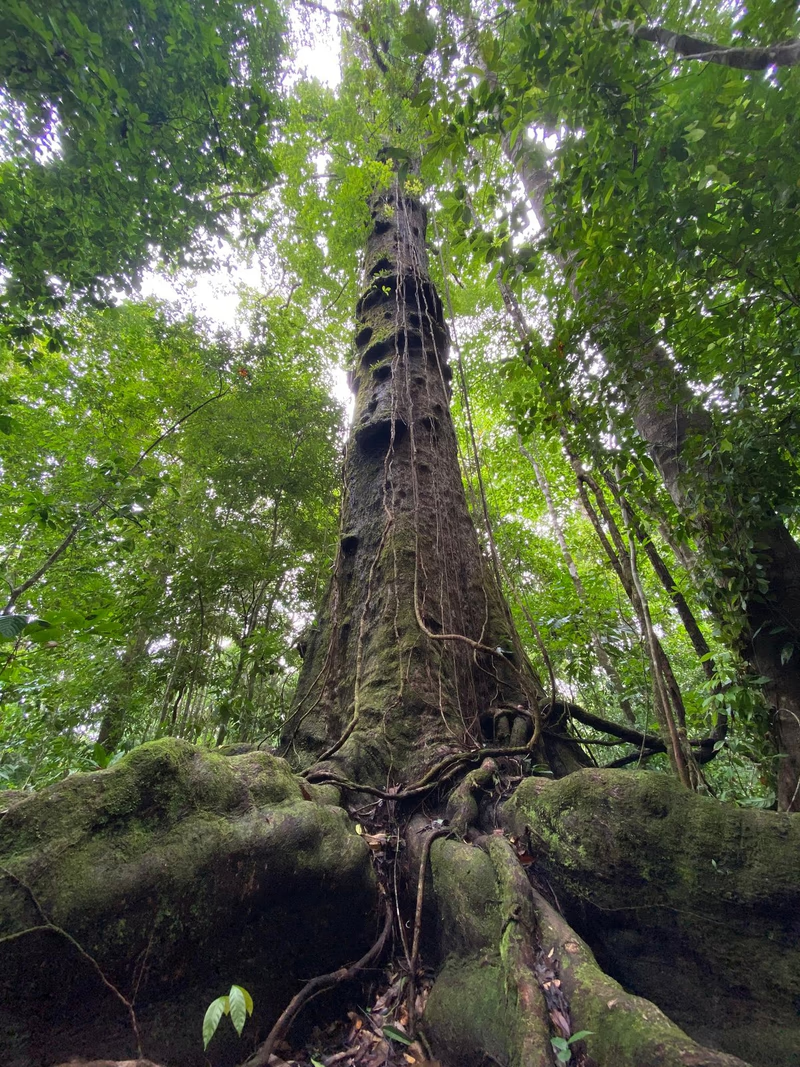
The Ajo (Caryocar costaricense), also called Ajillo or Costa Rican Souari, is one of the largest and most impressive trees in Costa Rica's lowland rainforests. Rising above the canopy on massive buttressed trunks, these emergent giants can reach 50 meters tall. Listed as Endangered by the IUCN and protected under CITES Appendix II, the Ajo faces ongoing threats from habitat loss and deforestation.
Quick Reference
iNaturalist Observations
Community-powered species data
Why This Tree Matters
Cathedral of the Rainforest
The Ajo is what ecologists call an "emergent"—a tree that rises above the main forest canopy, standing alone against the sky like a living cathedral spire. These towering giants play crucial roles in rainforest ecosystems:
Ecological Importance
- Habitat: Crown provides nesting for raptors and other birds
- Food source: Nutritious seeds feed agoutis, peccaries, and other wildlife
- Forest structure: Creates vertical habitat diversity
- Carbon storage: Massive biomass stores significant carbon
- Microclimate: Influences temperature and humidity below
Cultural Significance
- Traditional food: Edible nuts harvested by indigenous peoples
- Medicinal use: Traditional remedies from various parts
- Landmark: Often used as reference points in forests
- Spiritual: Revered as sacred trees in some communities
📸 Photo Gallery
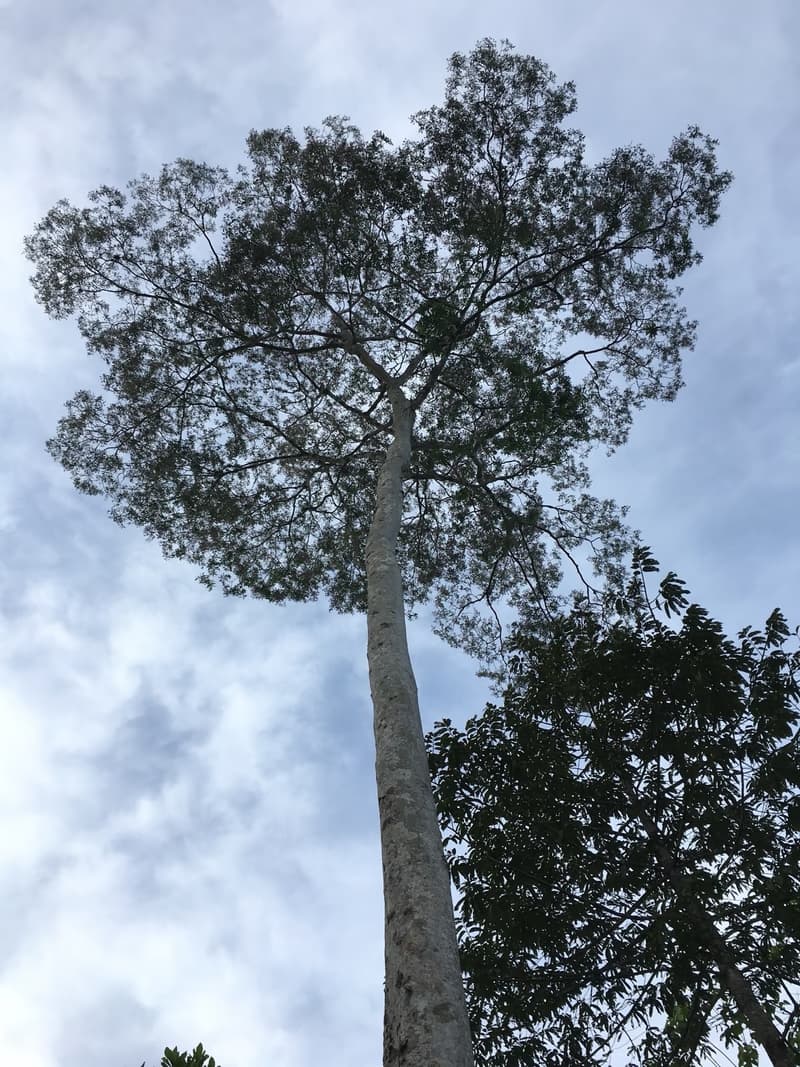
Whole tree
📷 (c) Gregory Pohl, some rights reserved (CC BY-NC)(CC BY-NC)
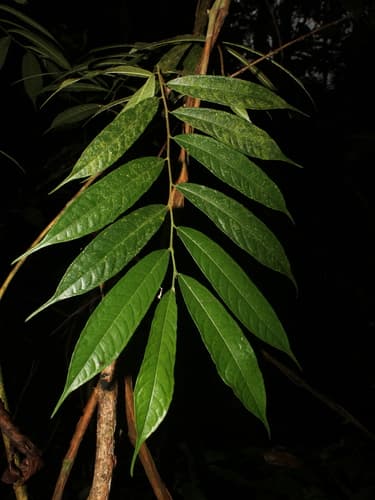
View source ↗Leaves
📷 (c) Gregory Pohl, some rights reserved (CC BY-NC)(CC BY-NC)
View source ↗Flowers
📷 (c) chrisdt, some rights reserved (CC BY)(CC BY)
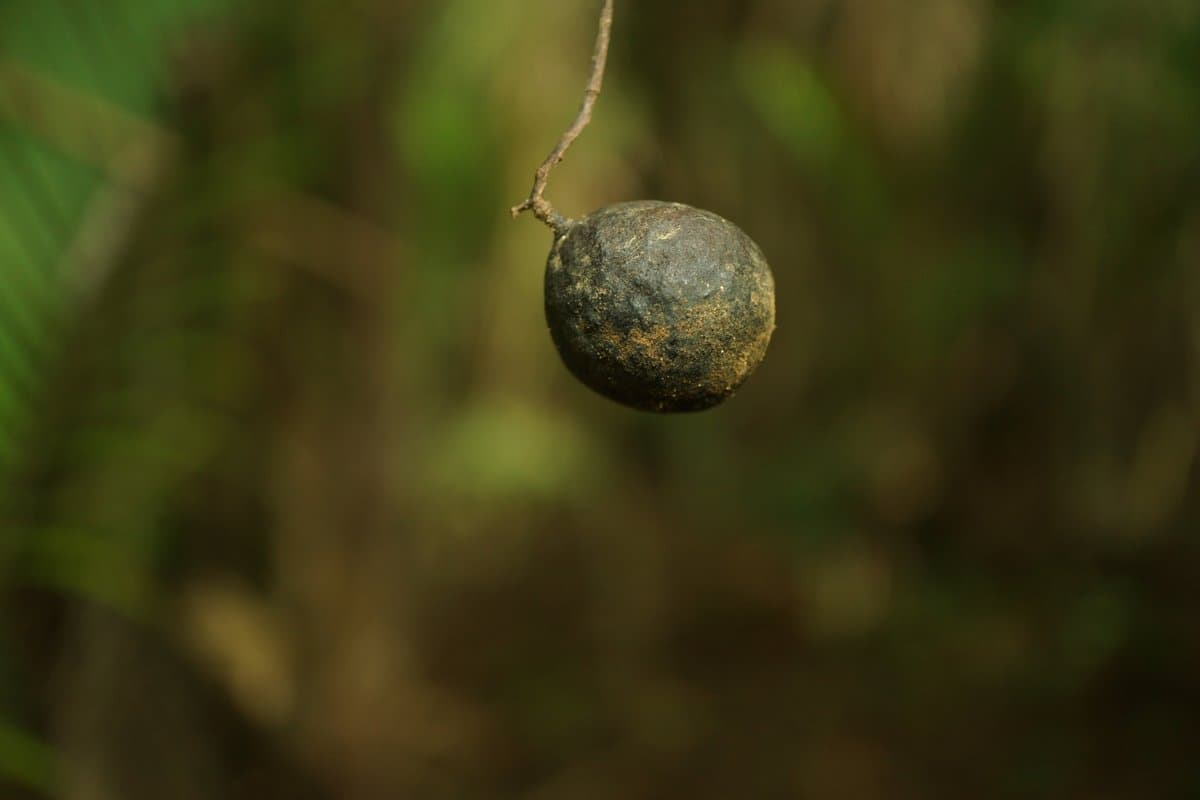
View source ↗Fruit
📷 (c) dmeliuk, some rights reserved (CC BY-NC)(CC BY-NC)
View source ↗Whole tree
📷 (c) hollytorres, some rights reserved (CC BY-NC)(CC BY-NC)
View source ↗Photos sourced from iNaturalist's community science database. Browse all observations →↗
Taxonomy & Classification
The Caryocaraceae is a small family of just 2 genera and about 25 species, found in tropical Central and South America. They are known for their hard-shelled fruits containing edible seeds. The most famous relative is the Pequi (Caryocar brasiliense) of Brazil, whose spiny pulp is a culinary delicacy.
Common Names
The name "Ajo" (garlic) comes from the garlicky odor of the inner bark when cut.
Physical Description
Overall Form
The Ajo is a massive, towering tree that dominates the forest skyline. Its thick, buttressed trunk supports a spreading crown that emerges above surrounding trees.
Distinctive Features
Trunk & Roots
- Buttresses: Massive, plank-like buttresses extending 3-6 m
- Bark: Gray-brown, rough, sometimes scaling
- Inner bark: Garlic-scented when cut
- Wood: Moderately hard, resistant
Leaves & Flowers
- Leaves: Trifoliate (3 leaflets), opposite
- Leaflets: Large, leathery, 10-25 cm long
- Flowers: White to cream, in terminal clusters
- Petals: Numerous, brush-like stamens
- Fragrance: Sweet, attracting nocturnal pollinators
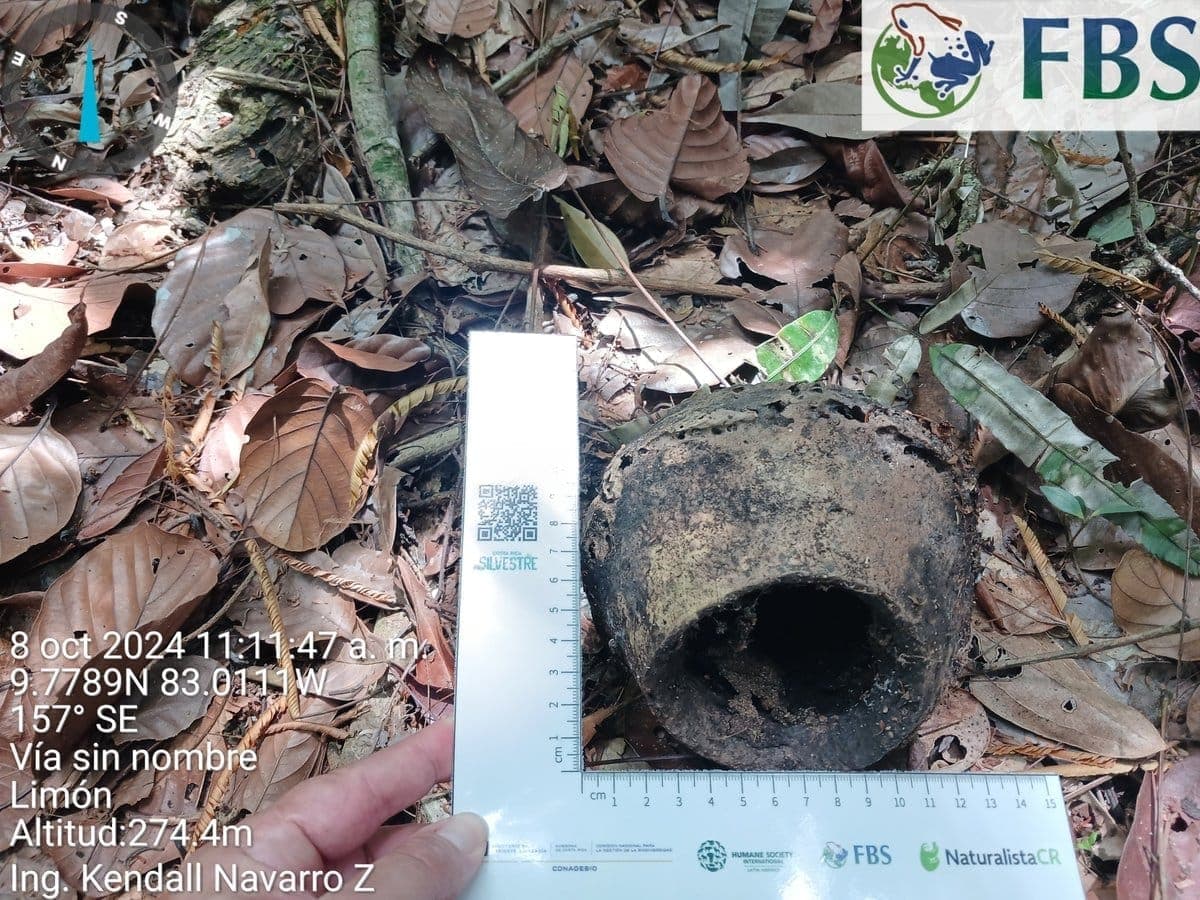
Fruit & Seeds
The Ajo produces large, rounded fruits containing 1-4 kidney-shaped seeds:
- Fruit size: 8-12 cm diameter
- Fruit weight: Up to 500 grams
- Seed structure: Hard shell with oily kernel
- Edibility: Nutritious, eaten by wildlife and humans
- Oil content: Seeds are 60-70% oil
The seeds were traditionally an important food source for indigenous peoples.
Habitat & Distribution
Geographic Range
The Ajo is found from Costa Rica through Panama to Colombia and Venezuela, always in lowland wet forests.
Preferred Habitat
- Forest type: Primary lowland wet forest
- Canopy position: Emergent (above canopy)
- Elevation: Sea level to 800m
- Rainfall: High (3,000-5,000 mm/year)
- Soil: Well-drained, often alluvial
Conservation Status
IUCN Assessment
Endangered
IUCN Red List Status
CITES Listing
Caryocar costaricense is listed on CITES Appendix II, meaning international trade is regulated to prevent exploitation that would threaten the species. Export permits are required for any timber or products.
Threats
Conservation in Costa Rica
Traditional Uses
Food & Nutrition
Edible Seeds
The Ajo's seeds are nutritious and were traditionally harvested:
- Protein: ~15% of dry weight
- Fat: 60-70% (primarily oleic acid)
- Preparation: Roasted, boiled, or pressed for oil
- Taste: Mild, nutty flavor
- Caution: Raw seeds may cause digestive upset
Oil Extraction
The high oil content made these seeds valuable:
- Oil quality: Similar to olive oil
- Uses: Cooking, lighting, cosmetics
- Extraction: Traditional pressing methods
- Modern potential: Interest in sustainable harvest
Medicinal Uses
Traditional medicine employed various parts:
- Inner bark: Treatments for parasites
- Seed oil: Skin conditions, wounds
- Leaves: Fever remedies
- Root bark: Various traditional preparations
Traditional uses should be understood in cultural context. Always consult healthcare professionals for medical concerns.
Ecological Relationships
Wildlife Dependencies
The Ajo's large, heavy seeds depend on large mammals like agoutis and peccaries for dispersal. As these animals decline due to hunting and habitat loss, the tree's ability to regenerate is compromised—a classic example of how species extinctions cascade through ecosystems.
Identification Guide
How to Identify Ajo
Where to See Ajo in Costa Rica
Botany & Morphology
Detailed Botanical Characteristics
The Ajo exhibits several remarkable botanical features that distinguish it from other rainforest emergents:
Forest Ecology & Ecosystem Services
Ecological Role in Lowland Rainforest
As an emergent species, the Ajo creates unique microclimates and habitat structures that benefit dozens of other species. Its massive crown intercepts rainfall, moderates temperature, and provides nesting and foraging opportunities found nowhere else in the forest strata.
Structural Contributions
Vertical Stratification:
- Creates distinct emergent canopy layer (40-50 m)
- Crown spreads wider than canopy trees below (25-35 m diameter)
- Open architecture allows light penetration to canopy below
- Massive buttresses create ground-level microhabitats
Microclimate Modification:
- Reduces temperature extremes in understory
- Intercepts high-energy rainfall reducing soil erosion
- Buttress root systems channel water flow
- Crown modifies wind patterns affecting seed dispersal
Biotic Interactions
Wildlife Habitat:
- Harpy Eagles: Preferred nesting trees in range
- Three-wattled Bellbirds: Display and nesting sites
- Resplendent Quetzals: Occasional perching
- Mantled Howler Monkeys: Travel routes, feeding
- Bats: Roosting in crown cavities
- Epiphytes: Bromeliads, orchids, ferns in crown
- Insects: Complex arthropod communities in bark and crown
Seed Dispersal Network:
- Agoutis scatter-hoard seeds (some germinate)
- Peccaries consume seeds (mostly destructive)
- Parrots may occasionally disperse viable seeds
- Heavy seeds limit dispersal distance (mostly <50 m from parent)
Carbon Sequestration & Climate Services
A hectare of primary lowland forest with several Ajo emergents can store 300-500 tons of carbon - making these forests among the most carbon-dense ecosystems on Earth. Protecting standing Ajo trees is critical climate action.
Economic & Ethnobotanical Importance
Traditional Food Systems
Timber History
While the Ajo was never as heavily logged as species like mahogany or Spanish cedar, its moderately durable wood was used for construction, boat building, and general carpentry. Historical logging contributed to population declines, and the species' slow growth rate means logged areas take centuries to recover.
Conservation Planting & Restoration
Nursery Propagation
Seed Collection & Storage
Collection:
- Gather fresh-fallen fruits July-September
- Select large, heavy fruits (indicate viable seeds)
- Collect from multiple parent trees (genetic diversity)
- Process immediately or within 2-3 days
Processing:
- Remove thick outer husk (use hammer or machete)
- Extract 1-4 seeds per fruit
- Float test: discard floating seeds (likely empty)
- Clean but do not remove hard inner seed coat
Storage:
- Short-term viability: Seeds lose viability quickly (2-4 months)
- Store at room temperature in breathable bags
- Do not dry or refrigerate (recalcitrant seeds)
- Best practice: Plant fresh seeds within 1-2 weeks
Germination & Early Care
Pre-treatment:
- Scarification: File or nick hard seed coat
- Hot water soak: 80°C for 5 minutes, then 24 hr soak
- Or: No treatment - natural germination over 2-4 months
Planting:
- Use deep pots (40+ cm) to accommodate taproot
- Well-draining soil mix (forest soil + sand)
- Plant 2-3 cm deep
- Keep moist but not waterlogged
- Germination: 2-4 months (highly variable)
Seedling Care:
- Provide 50-70% shade initially
- Gradually increase light exposure over 6-12 months
- Fertilize lightly (slow-release or compost)
- Watch for fungal issues in overly wet conditions
- Growth is slow: 15-30 cm height gain in first year
Reforestation Guidelines
Ajo is a late-successional species that establishes best in existing forest or well-developed secondary forest (15+ years old). Planting in open pasture or young plantations rarely succeeds. For reforestation projects, plant fast-growing pioneers first (10-15 years), then underplant with Ajo seedlings in shade.
Research & Scientific Significance
Ecological Study System
The Ajo serves as an important model species for several research areas:
Chemical & Nutritional Research
Ajo Nut Chemistry:
Preliminary studies suggest:
- High oleic acid content (~50-60% of fatty acids) - heart healthy
- Rich in vitamin E (tocopherols) - antioxidant properties
- Contains unique sterols and phenolic compounds - potential health benefits
- Low allergenicity compared to tree nuts like cashews or walnuts
Research Needs:
- Comprehensive nutritional analysis
- Anti-nutritional factors (tannins, enzyme inhibitors)
- Potential pharmaceutical compounds in bark/leaves
- Comparison with commercial tree nuts
Climate Change & Future Outlook
Vulnerability Assessment
As a lowland wet forest specialist (0-800 m), the Ajo may face significant climate-related challenges:
Conservation Priorities
Immediate Actions (2025-2030)
- Habitat protection: Expand protected area networks in lowland wet forests
- Connectivity: Create forest corridors between protected areas
- Ex-situ conservation: Establish seed banks and nursery programs
- Research: Monitor population trends and regeneration
- Community engagement: Involve local communities in conservation and sustainable use
Long-term Strategies (2030-2050)
- Assisted migration: Consider establishing populations at higher elevations or further north
- Genetic conservation: Preserve genetic diversity across the species' range
- Restoration: Large-scale reforestation in degraded but suitable habitats
- Sustainable use: Develop nut harvest programs that incentivize conservation
- Climate monitoring: Track how populations respond to changing conditions
External Resources
Official conservation assessment
Trade regulation information
Community observations
Cultivation and use information
Taxonomic information and synonyms
Global biodiversity occurrence data and distribution maps
References
📚 Scientific References & Further Reading
Prance, G.T. & Silva, M.F. (1973). Monograph of Caryocaraceae. Flora Neotropica
IUCN (1998). Caryocar costaricense. The IUCN Red List of Threatened Species
Cordero, J. & Boshier, D.H. (2003). Árboles de Centroamérica. OFI/CATIE
The Ajo represents the majesty of Costa Rica's lowland rainforests—trees so large they create their own ecosystems, supporting countless species from their buttressed roots to their sky-high crowns. As these forests disappear, so too do these giants. Protecting primary rainforest isn't just about saving individual species—it's about preserving the architectural complexity that makes tropical forests the most biodiverse ecosystems on Earth.
Safety Information Disclaimer
Safety information is provided for educational purposes only. Individual reactions may vary significantly based on age, health status, amount of exposure, and individual sensitivity. Always supervise children around plants. Consult a medical professional or certified arborist for specific concerns. The Costa Rica Tree Atlas is not liable for injuries or damages resulting from interaction with trees described in this guide.
• Always supervise children around plants
• Consult medical professional if unsure
• Seek immediate medical attention if poisoning occurs
Information compiled from authoritative toxicology sources, scientific literature, and medical case reports.
Help improve this page
Know something about this tree? Share local knowledge, suggest a correction, or submit a photo to improve this guide for everyone.