Ron Ron
Astronium graveolens
Quick facts
Native Region
Mexico to Brazil
Max Height
25-35 meters (80-115 feet)
Family
Anacardiaceae
Conservation
LC — Least Concern
Uses
Safety Information
Toxicity Details
Ron Ron (Goncalo Alves) is NON-TOXIC. The living tree, bark, leaves, and fruit pose no toxicity hazard to humans or animals. Safe for planting in residential areas, parks, and gardens where children and pets are present. Despite being in the Anacardiaceae family (which includes poison ivy), Astronium graveolens does NOT produce the toxic urushiol oils found in poison ivy/oak relatives. No documented poisoning from ingestion or contact. Birds and wildlife consume the fruits safely. The tree is completely safe for children and pets.
Skin Contact Risks
Direct contact with the living tree is safe. WOOD DUST may cause MILD skin irritation, rashes, or redness in sensitive individuals, especially during woodworking. Reactions are typically mild and uncommon. The tree's sap and bark do not have strong irritant properties. Overall skin contact risk is LOW - most people handle the tree and wood without issues. If irritation occurs, wash exposed skin with soap and water.
Allergenic Properties
Ron Ron is a reported SENSITIZER in some individuals, meaning repeated exposure can lead to allergic reactions, but severity is MILD compared to many tropical hardwoods. SYMPTOMS: Eye irritation, sneezing, coughing, respiratory discomfort. Skin rashes possible with dust exposure. No unusual chemical hazards or strong odors. SAFETY LEVEL: Lower allergen risk than rosewoods, mahogany, or cedars - reactions are uncommon and typically mild when they occur. Standard woodworking precautions (dust mask, ventilation, gloves, eye protection) are sufficient for safe handling.
Season
Flowering
Mar-May
Fruiting
Jun-Aug
How to identify
Ron Ron (Goncalo Alves)
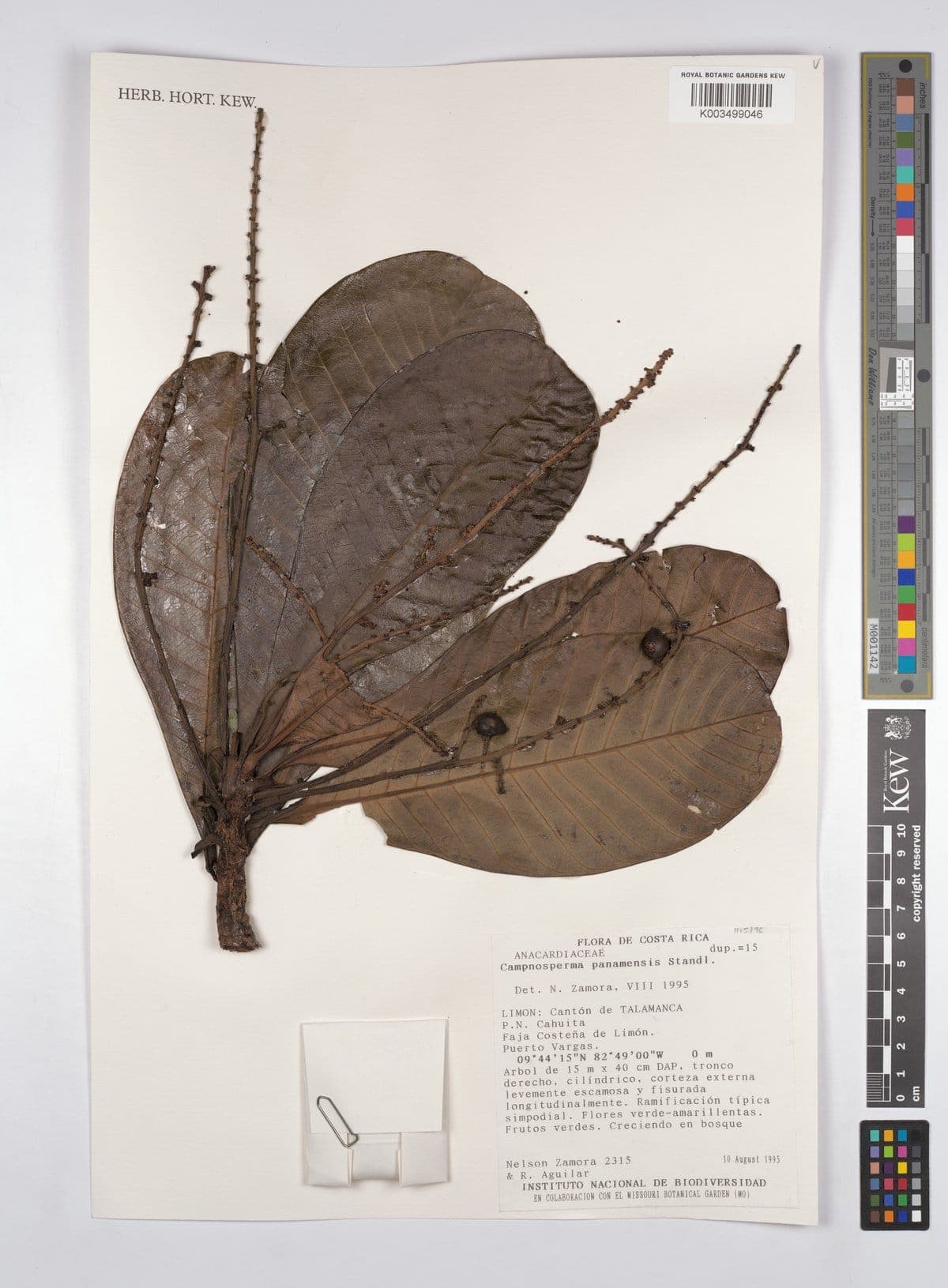
Ron Ron (Astronium graveolens), known internationally as Goncalo Alves or Tigerwood, is one of Central America's most beautiful and durable hardwoods. Its striking figured grain with irregular dark streaks resembles zebrawood or rosewood, while its exceptional hardness and rot-resistance make it prized for demanding applications. Unlike many valuable timber trees, it remains relatively abundant where protected.
Quick Reference
iNaturalist Observations
Community-powered species data
📸 Photo Gallery
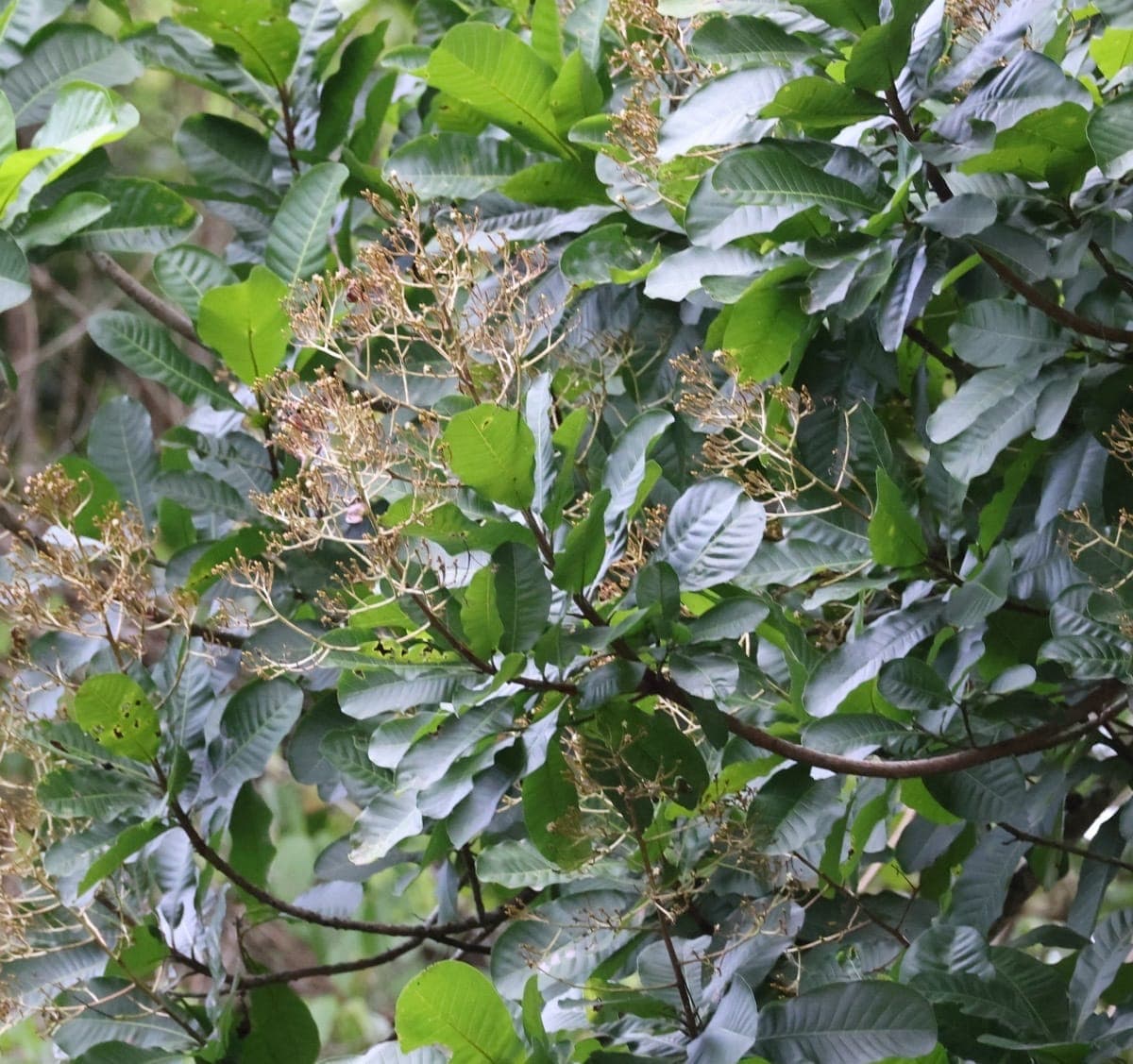
Whole tree
📷 (c) Maynor Carranza, some rights reserved (CC BY-NC)(CC BY-NC)
View source ↗Leaves
📷 (c) Maynor Carranza, some rights reserved (CC BY-NC)(CC BY-NC)
View source ↗Whole tree
📷 (c) Maynor Carranza, some rights reserved (CC BY-NC)(CC BY-NC)
View source ↗Leaves
📷 (c) Maynor Carranza, some rights reserved (CC BY-NC)(CC BY-NC)
View source ↗Whole tree
📷 (c) Carlos Venegas-Elizondo, some rights reserved (CC BY-NC)(CC BY-NC)
View source ↗Photos sourced from iNaturalist's community science database. Browse all observations →↗
Taxonomy & Classification
Ron Ron belongs to the Anacardiaceae (cashew family), making it a relative of the Espavel (wild cashew), mango, and even poison ivy. Like many family members, its sap can cause skin irritation in sensitive individuals. The genus name Astronium refers to the star-shaped arrangement of the fruit sepals.
Common Names
Physical Description
Overall Form
The Ron Ron is a large deciduous tree with a straight trunk and a broad, rounded crown. It is characteristic of seasonally dry forests and is known for shedding its leaves during the dry season, then producing spectacular new growth.
Distinctive Features
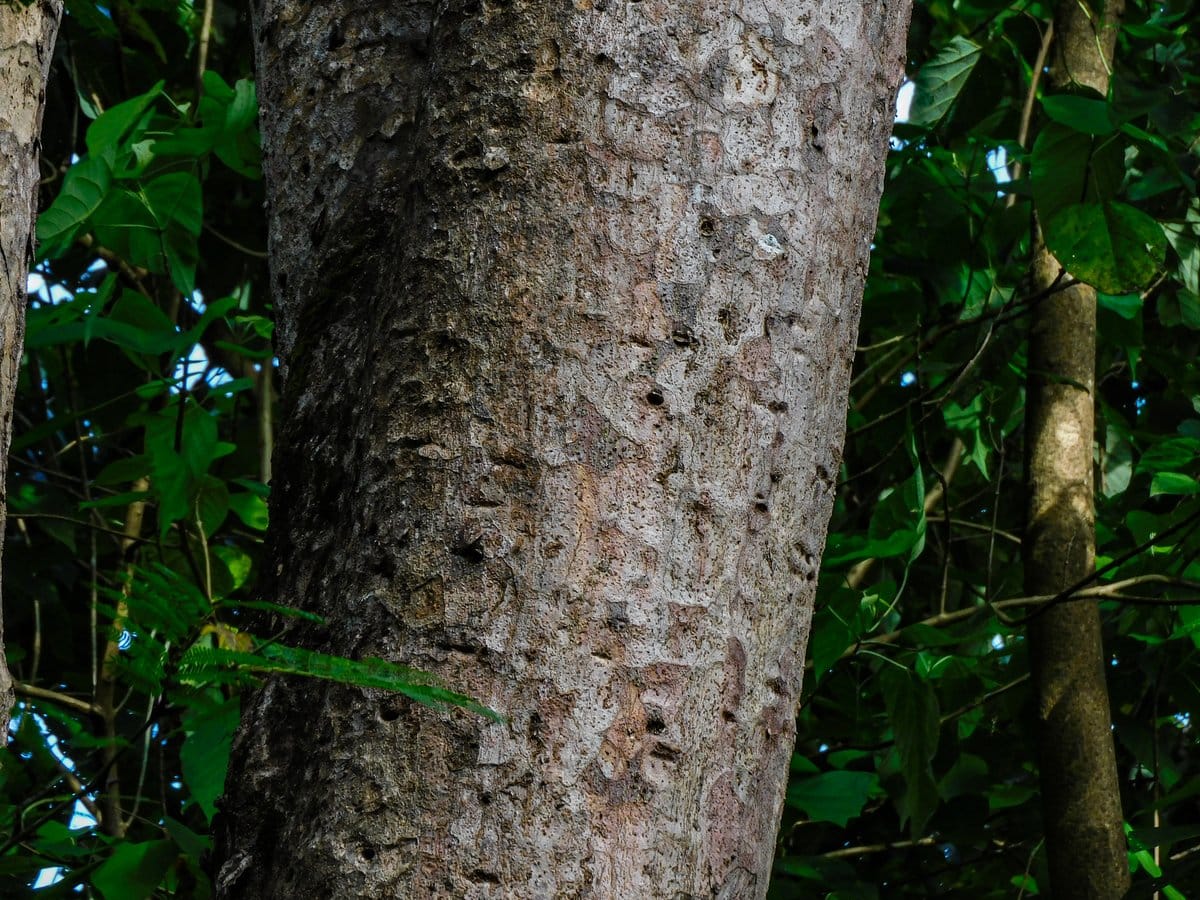
Trunk & Bark
- Bark: Gray to brownish, moderately fissured
- Wood: Reddish-brown with dark irregular streaks
- Form: Straight trunk, usually clear for 10-15 m
- Heartwood: Extremely dense and durable
- Sap: Mildly irritating (family characteristic)
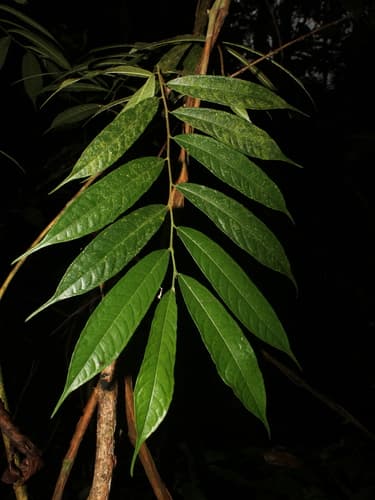
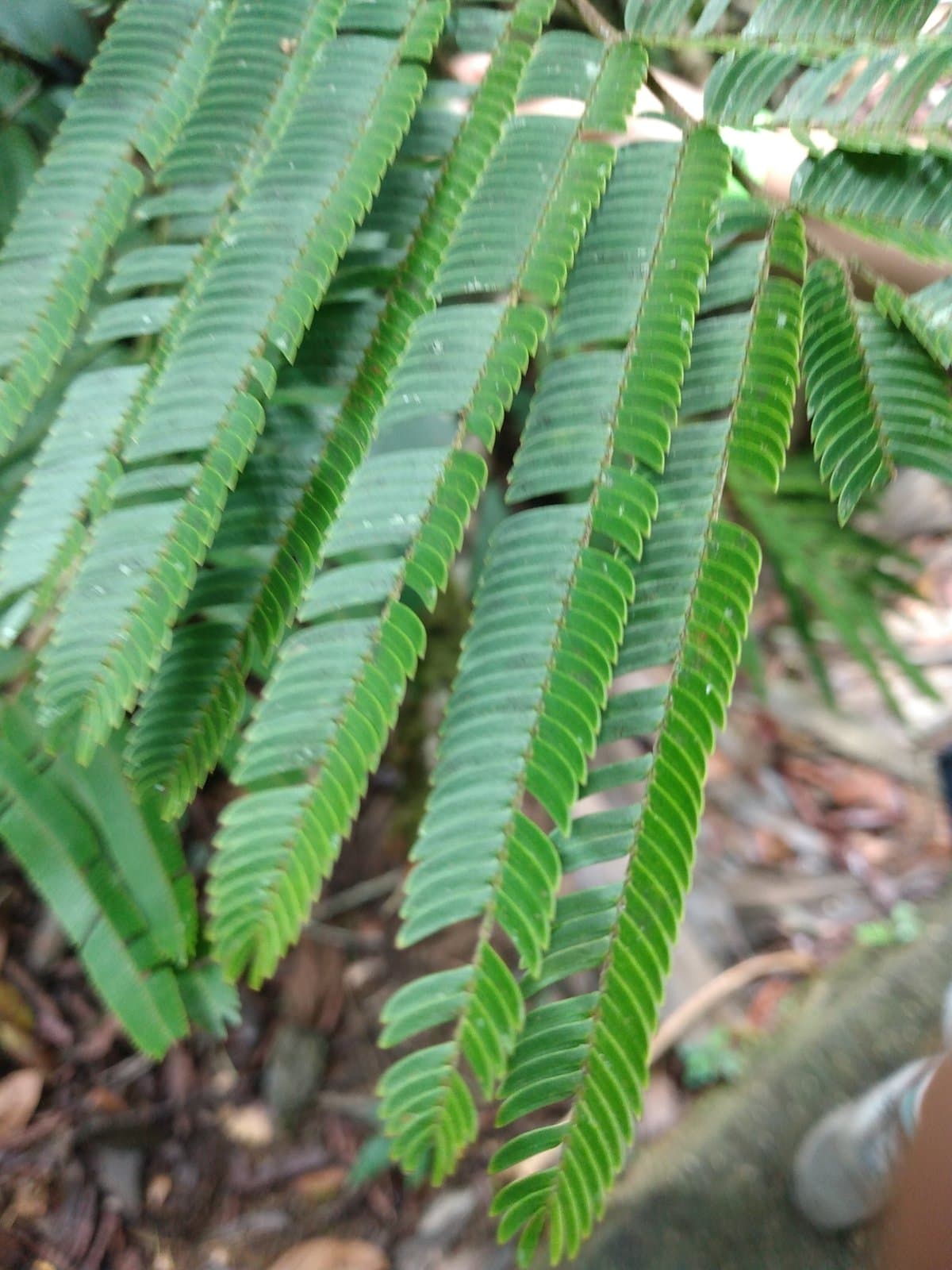
Leaves
- Type: Imparipinnate compound (odd number leaflets)
- Leaflets: 7-15, opposite with terminal leaflet
- Leaflet Shape: Ovate to elliptic
- Size: Leaves 15-30 cm total length
- Margin: Crenate to serrate (scalloped to toothed)
- Timing: Deciduous in dry season
Flowers
- Color: Yellowish-green
- Size: Small (3-4 mm)
- Arrangement: Terminal and axillary panicles
- Season: March to May (dry season end)
- Gender: Dioecious (separate male/female trees)
- Fragrance: Mild, attracts insects
Fruits & Seeds
- Type: Small drupe
- Size: 5-8 mm
- Color: Dark purple-black when ripe
- Calyx: Persistent, star-shaped (diagnostic)
- Season: May to July
- Dispersal: Birds, gravity
Ron Ron is famous for its highly figured wood—irregular dark streaks on a reddish-brown background that can resemble tiger stripes or zebrawood. This figuring is highly variable between trees and even within the same log, making each piece unique. The most dramatically figured specimens command premium prices in the specialty wood market.
Distribution & Habitat
Native Range
Geographic Distribution
Distribution in Costa Rica
Ron Ron is primarily a dry forest species in Costa Rica, most abundant in Guanacaste Province and the Pacific lowlands. It also occurs in transitional moist forests and has been increasingly planted in reforestation projects.
Preferred Habitat
Ecological Significance
Dry Forest Ecology
Ron Ron is one of the defining trees of Costa Rica's tropical dry forest, a critically endangered ecosystem that once covered much of the Pacific lowlands. Its drought tolerance, ability to regenerate, and value for wildlife make it a keystone species in dry forest conservation and restoration.
Wildlife Interactions
Fruit Consumers
- Birds: Many species consume drupes
- Bats: Secondary dispersers
- Mammals: Ground-feeding species
- Monkeys: Occasional consumers
Pollinators
- Bees: Primary pollinators
- Flies: Attracted to flowers
- Small insects: Various visitors
Tree Associations
- Epiphytes: Branches host orchids, bromeliads
- Lichens: Common on bark
- Cavity nesters: Old trees provide nest sites
- Insects: Support diverse arthropod communities
Ecosystem Role
- Canopy structure: Important in dry forest
- Leaf litter: Contributes to soil nutrients
- Shade provision: Microhabitat creation
- Forest succession: Mid to late successional
Ecosystem Services
Cultural & Economic Importance
Premium Hardwood
World-Class Wood
Ron Ron wood is among the finest hardwoods in the Americas. Its exceptional properties include: - Hardness: 1910 Janka (harder than most hardwoods) - Durability: Extremely rot and insect resistant - Figure: Dramatic dark streaking on red-brown background - Workability: Takes excellent polish despite hardness - Stability: Minimal movement after proper drying This combination makes it prized for flooring, furniture, turned objects, and exterior applications where durability is critical.
Uses Table
Traditional Knowledge
Conservation Status
Current Assessment
Conservation Status
Conservation Context
While Ron Ron itself is not currently threatened, its primary habitat— tropical dry forest—is one of the most endangered ecosystems in Central America. Only about 1% of Costa Rica's original dry forest remains intact. Ron Ron conservation is therefore tied to broader dry forest protection efforts: - Santa Rosa National Park: Major protected population - Guanacaste Conservation Area: Ongoing restoration - Private reserves: Important refugia - Reforestation: Increasingly planted
Cultivation & Propagation
Growing Ron Ron
Propagation Methods
From Seeds (Standard Method)
- Collect ripe fruits (May-July)
- Remove fleshy covering
- Seeds viable for several months if stored dry
- Sow in well-drained medium
- Germination in 2-4 weeks
- Transplant at 20-30 cm height
- Full sun required from early stage
Growth Characteristics
- Moderate growth rate (0.5-1 m/year)
- Drought tolerant once established
- Deep taproot develops early
Growing Conditions
Best Planting Sites
- Dry forest restoration projects
- Silvopastoral systems
- Well-drained hillsides
- Seasonally dry areas
- NOT suitable for wet or waterlogged sites
Identification Guide
How to Identify Ron Ron
Where to See Ron Ron in Costa Rica
External Resources
Community observations and photos
Detailed wood properties information
Taxonomic information
Global biodiversity occurrence data and distribution maps
Conservation status and species assessment
References
📚 Scientific References & Further Reading
Holdridge, L.R. & Poveda, L.J. (1975). Árboles de Costa Rica Vol. 1
Janzen, D.H. (1988). Tropical Dry Forests: The Most Endangered Major Tropical Ecosystem. Biodiversity
Zamora, N., et al. (2000). Árboles de Costa Rica Vol. II
Visit Costa Rica's dry forests (Guanacaste) during the late dry season (March-May) to witness the dramatic transformation when Ron Ron and other dry forest trees burst into new leaf growth after months of dormancy. Santa Rosa National Park is the best accessible location, with well-maintained trails through some of the last remaining tropical dry forest in Central America. The contrast between the bare dry season appearance and the lush wet season canopy makes multiple visits rewarding.
Safety Information Disclaimer
Safety information is provided for educational purposes only. Individual reactions may vary significantly based on age, health status, amount of exposure, and individual sensitivity. Always supervise children around plants. Consult a medical professional or certified arborist for specific concerns. The Costa Rica Tree Atlas is not liable for injuries or damages resulting from interaction with trees described in this guide.
• Always supervise children around plants
• Consult medical professional if unsure
• Seek immediate medical attention if poisoning occurs
Information compiled from authoritative toxicology sources, scientific literature, and medical case reports.
Help improve this page
Know something about this tree? Share local knowledge, suggest a correction, or submit a photo to improve this guide for everyone.